Direct procurement pathways for EPC developers and solar distributors in India looking to leverage double-glass high-power layouts.
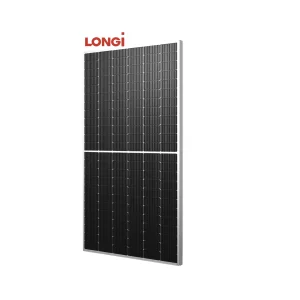
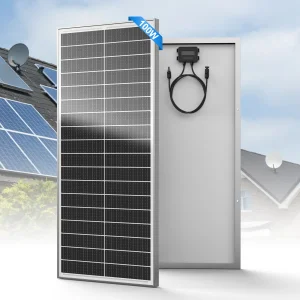
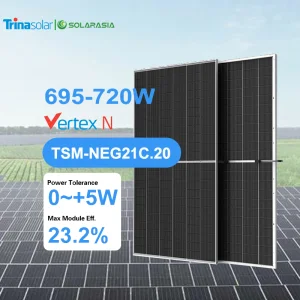
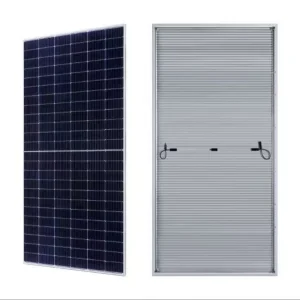
The Indian subcontinent is experiencing an unprecedented structural transition in its energy architecture. Guided by the ambitious target of deploying 500 GW of non-fossil fuel capacity by 2030, the demand for solar PV components has shifted from basic p-type polycrystalline modules to highly sophisticated, premium-grade n-type TOPCon and HJT bifacial solar panels.
In particular, Commercial & Industrial (C&I) installations across industrialized regions—such as Maharashtra, Tamil Nadu, Gujarat, and Karnataka—are actively targeting higher Yield per Square Meter. Roof spaces, ground-mounted industrial parks, and microgrids in these states face severe thermal limitations and dynamic weather conditions. Standard panels suffer massive efficiency degradation under India's peak summer temperatures, where ambient conditions routinely exceed 40°C.
Consequently, bifacial dual-glass module structures have transitioned from a premium option to a mandatory baseline standard for utility and massive off-grid installations. By leveraging the reflective properties (albedo effect) of sandy ground covers, concrete building rooftops, or light-colored industrial yards, developers can unlock an additional energy yield of up to 30%, drastically reducing the levelized cost of energy (LCOE) and fast-tracking project ROI.
Consult Market SpecialistsA comparative overview of bifacial configurations operating in high-irradiance, high-temperature locations across India (e.g., Rajasthan, Gujarat).
| Performance Parameters | Standard p-Type PERC (Bifacial) | n-Type TOPCon Double Glass | Heterojunction (HJT) Bifacial |
|---|---|---|---|
| Typical Module Efficiency | 20.5% - 21.3% | 21.8% - 22.8% | 22.5% - 23.5% |
| Bifaciality Factor | 70% ± 5% | 80% ± 5% | 85% ± 5% |
| Temperature Coefficient (Pmax) | -0.35% / °C | -0.30% / °C | -0.26% / °C |
| First-Year Power Degradation | < 2.0% | < 1.0% | < 1.0% |
| Annual Linear Degradation (Y2-Y30) | -0.45% / Year | -0.40% / Year | -0.37% / Year |
| Albedo Gain Potential (on Concrete) | 8% - 12% | 12% - 16% | 14% - 18% |
Understanding rearside generation is key to building highly profitable utility and industrial scale configurations.
The quantity of back-side light generation depends heavily on the installation site's surface. Sand (common in Rajasthan desert plants) has a high albedo of up to 40%. White paint or specialized light roofs on commercial factories can boost rearside reflection up to 80%.
Standard backsheets buckle under extreme UV exposure. By replacing the polymer backsheet with semi-tempered solar glass, GAF Solar modules eliminate internal cell cracking caused by wind load or sandstorms, and resist high humidity in southern coastal regions.
High heat and high-voltage grid layouts accelerate potential induced degradation. GAF Solar utilizes optimized encapsulants (POE/EPE) to create an impermeable barrier against sodium ions, preventing voltage-driven power drops across solar blocks.
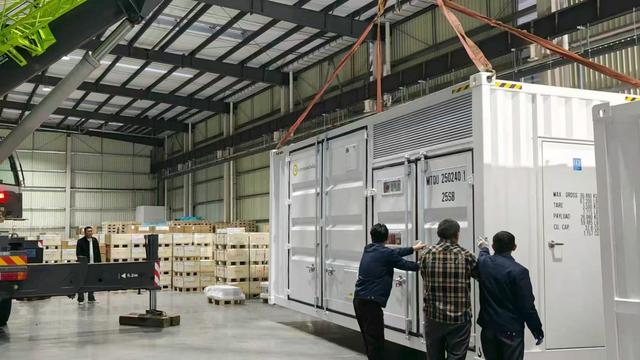
Sourcing-grade products including high-wattage double glass monocrystalline setups, off-grid systems, and complete containerized substation solutions.
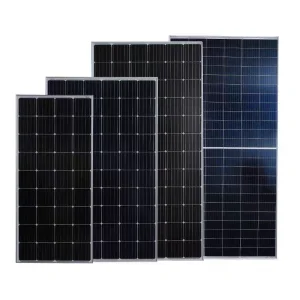
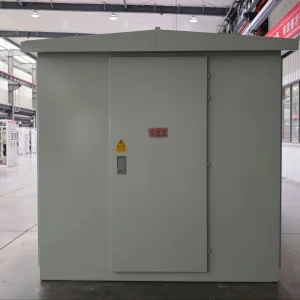
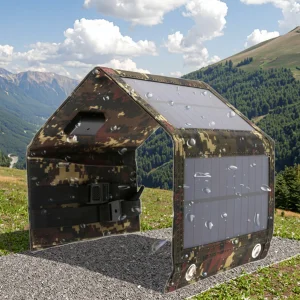

Ensuring compliance to avoid import bottlenecks and secure seamless customs clearances at major ports like Nhava Sheva and Chennai.
Compliance with IS 14286 and IS/IEC 61215 is mandatory for importing solar modules into India. Custom clearances require valid registration documentation.
Approved List of Models and Manufacturers (ALMM) updates govern public funding grid projects. Private C&I and captive off-grid systems enjoy flexible module choices.
Sourcing from manufacturing facilities with optimized supply chains allows developers to leverage regional trade treaties and customs duty structures efficiently.
Ningbo GAF Solar runs strategically positioned production sites close to the port of Ningbo. This layout significantly lowers domestic transit costs and guarantees rapid container shipping lanes directly to major maritime hubs in India:
Optimal entry for project sites in Gujarat, Rajasthan, and Northern Indian states.
Ideal for quick access to Maharashtra and Central India industrial belts.
Primary logistics gateway for projects in Tamil Nadu, Karnataka, and Andhra Pradesh.
Alternative deep-water port with fast custom clearance turnaround times.
Ningbo GAF Solar Co., Ltd. is a professional Solar Panel Manufacturer | Monocrystalline, Bifacial & High Efficiency PV Modules dedicated to providing reliable solar energy solutions for residential, commercial, industrial, and utility-scale applications worldwide. With a strong commitment to renewable energy innovation, the company delivers advanced photovoltaic products designed to maximize energy generation, efficiency, and long-term performance.
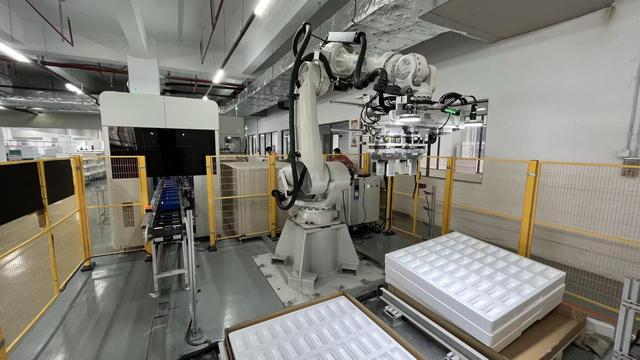
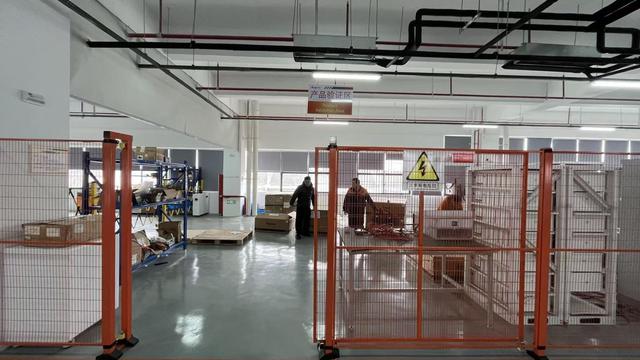
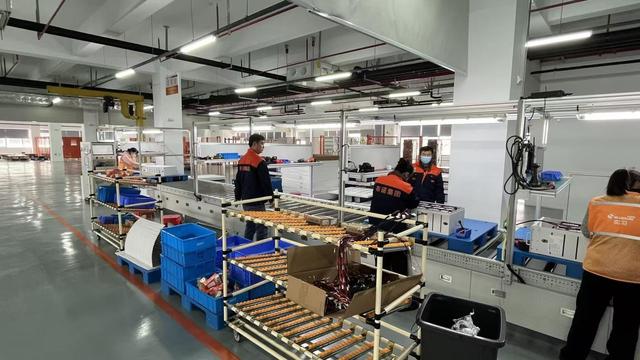
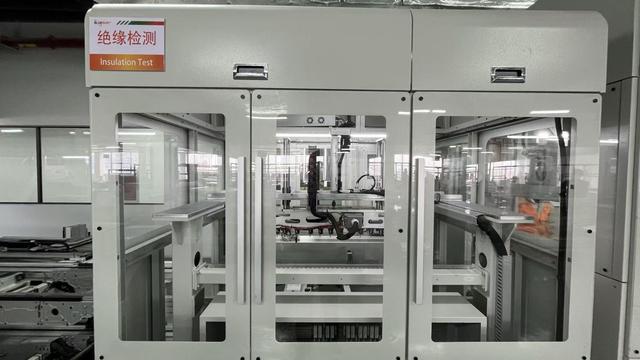
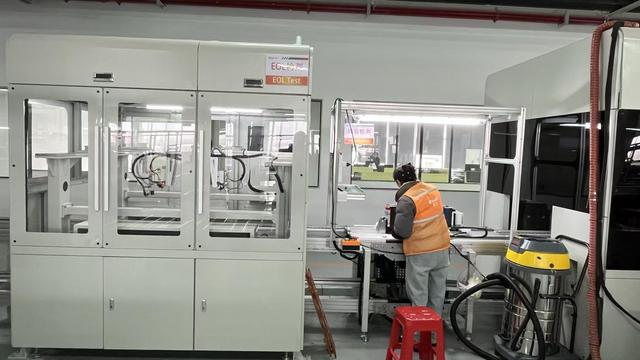
Based in Ningbo, China, GAF Solar operates modern manufacturing facilities equipped with advanced production technologies, automated assembly lines, and comprehensive quality control systems. The company specializes in the development and production of monocrystalline solar panels, bifacial solar modules, high-efficiency photovoltaic panels, rooftop solar solutions, commercial solar systems, industrial solar installations, and customized PV energy projects.
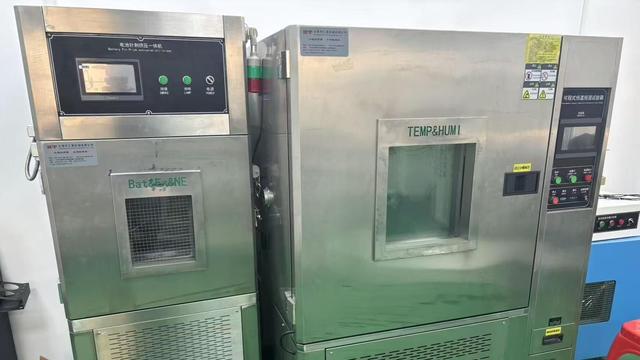
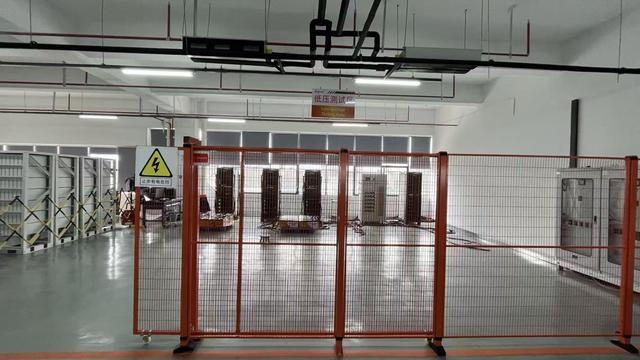
GAF Solar focuses on technological innovation and product reliability. By utilizing premium-grade solar cells, durable materials, and precision manufacturing processes, the company produces solar modules capable of delivering excellent power output, superior weather resistance, and long operational lifespans. Every product undergoes rigorous testing and quality inspections to ensure compliance with international standards and the demanding requirements of global energy markets.
In addition to manufacturing high-performance solar panels, GAF Solar offers comprehensive OEM and ODM services, supporting distributors, EPC contractors, solar developers, energy solution providers, and private-label brands. The company provides flexible customization options, professional technical support, and efficient project coordination from design and production to shipment and after-sales service.
Serving customers across North America, Europe, Southeast Asia, the Middle East, Africa, and Latin America, Ningbo GAF Solar Co., Ltd. has established a reputation for quality, reliability, and customer-focused service. Through continuous innovation and sustainable manufacturing practices, the company remains committed to accelerating the global transition toward clean, renewable energy and creating long-term value for partners around the world.
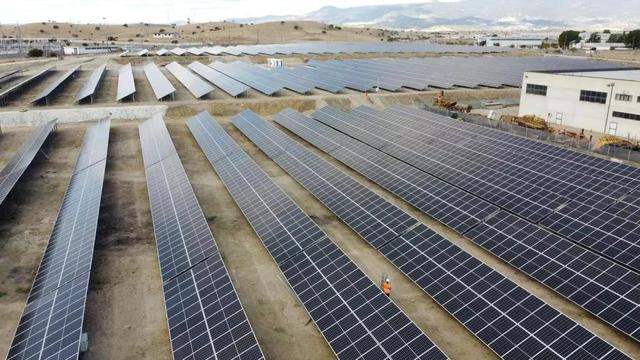
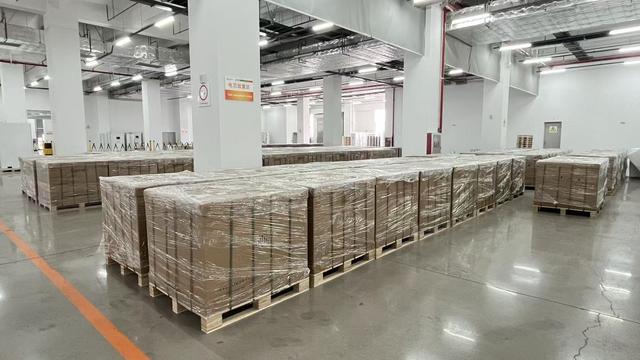
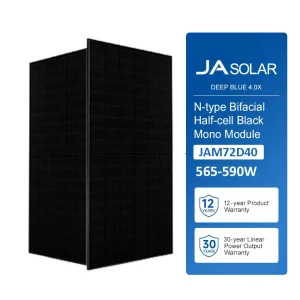
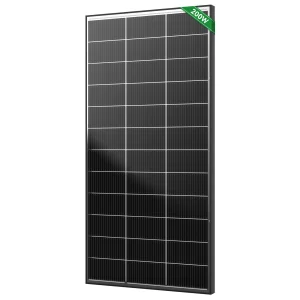
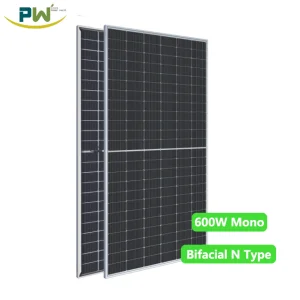
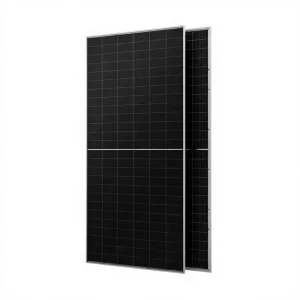
Browse our portfolio of monocrystalline and bifacial solar modules, built to optimize efficiency in high-density utility plants and rooftop projects.
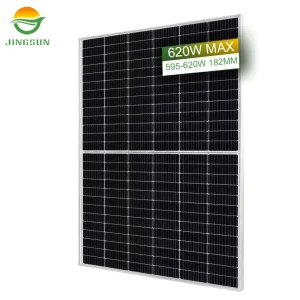
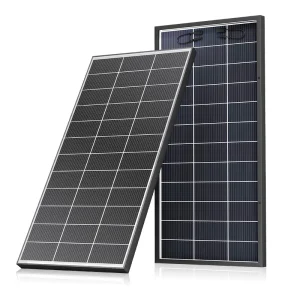
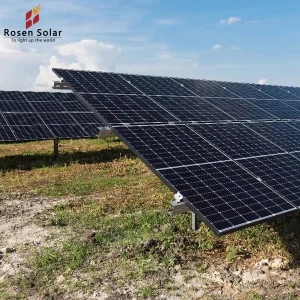
Addressing key technical questions from EPC managers, design engineers, and procurement agencies sourcing solar components.
The bifaciality factor represents the efficiency of the back side compared to the front side under standard test conditions. An 80% bifaciality factor (common in n-type TOPCon modules) yields 15% to 20% more power than standard panels, reducing BOS costs like tracking structures, racking, cabling, and land footprint, lowering LCOE by up to 12%.
n-type TOPCon technology exhibits zero Light-Induced Degradation (LID) and has a lower temperature coefficient (-0.30%/°C) compared to p-type PERC (-0.35%/°C). In high-heat locations like Rajasthan and Madhya Pradesh, TOPCon panels deliver higher energy yield and maintain efficiency across 30 years.
System designers must optimize mounting height (typically > 1.2 meters to allow rearside illumination) and row spacing (typically > 6-8 meters). Single-axis trackers must avoid placing support torque tubes directly behind the center of the panels to prevent casting shadows on the rearside cells.
We work closely with certified labs to ensure all our modules comply with IS 14286 and IS/IEC 61215 standards. Our product catalog undergoes rigorous inspection to match import guidelines, providing full paperwork verification prior to shipment from Ningbo Port.
Because glass-glass panels contain heavy-duty glass covers on both sides, they are packed vertically in customized, reinforced shipping crates with protective spacers. This prevents micro-cracking and glass abrasion caused by container vibration during long maritime voyages.
Yes. Our modules operate with electrical profiles matching high-capacity string inverters (from brands like Sungrow, Growatt, Huawei, and Solis). By matching peak operating currents, we prevent inverter clipping and optimize rearside generation yield.
Our double-glass monocrystalline and bifacial models include a 30-year linear performance warranty. Thanks to POE encapsulation and glass structural protection, first-year degradation is limited to <1.0%, with subsequent yearly degradation under 0.4%.
Connect with our technical engineering team for customized albedo simulations, system sizing, and direct factory pricing configurations.
 GAF Solar