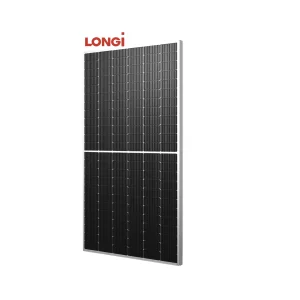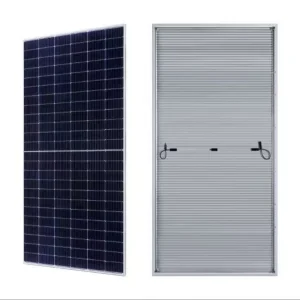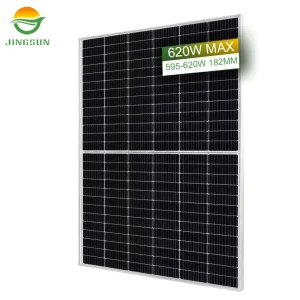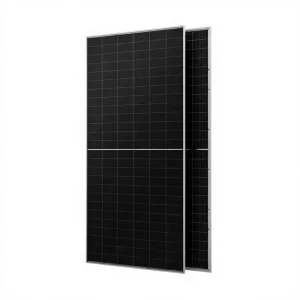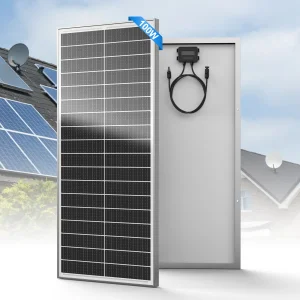
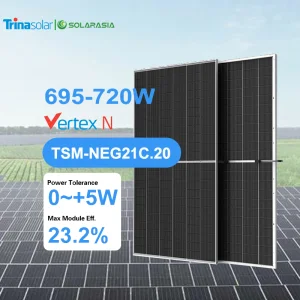
As Malaysia accelerates its green transition under the National Energy Transition Roadmap (NETR) and the extension of the Net Energy Metering (NEM) 3.0 program, Commercial & Industrial (C&I) enterprises across Kuala Lumpur and the greater Klang Valley are seeking high-efficiency solutions to optimize Levelized Cost of Energy (LCOE). The unique tropical climate of Selangor and Kuala Lumpur—characterized by high ambient temperatures, persistent cloud cover, high humidity levels, and seasonal monsoon rains—demands photovoltaic modules that go beyond standard power generation metrics.
Standard monofacial panels generate energy solely from direct sunlight incident on their front surface. However, in urbanized, dense industrial environments such as Shah Alam, Petaling Jaya, and Port Klang, roof spaces are often constrained, and solar systems must capture every possible photon. Enter Bifacial Solar Technology. By active light absorption on both sides of the cell, bifacial solar panels capture reflected light from the ground, nearby structures, and diffuse atmospheric scattering. This technology delivers up to a 5% to 30% yield boost (Bifacial Gain) over traditional configurations.
The performance multiplier of a bifacial installation is fundamentally governed by the surrounding area's **Albedo**—the measure of diffuse reflection of solar radiation out of the total solar radiation received. Because Kuala Lumpur hosts diverse roof types and industrial site surfaces, engineers must strategically evaluate these parameters during the system design phase:
Furthermore, Kuala Lumpur sits close to the equator (Latitude 3.1390° N). Standard installation angles are kept low (typically between 5° to 10°) to minimize wind loading while ensuring adequate self-cleaning during rainfall. By selecting double-glass modules with high bifaciality factors (the ratio of rear efficiency to front efficiency, typically exceeding 80% for N-type TOPCon cells), EPC contractors can compensate for low tilt angles by capturing diffuse horizon glow.
The global solar market is undergoing a rapid transition from legacy P-Type PERC cells to next-generation N-Type Tunnel Oxide Passivated Contact (TOPCon) and Heterojunction (HJT) structures. N-type silicon possesses an inherent immunity to Light-Induced Degradation (LID), resulting in an exceptionally stable performance lifecycle.
Furthermore, the temperature coefficient of P-type panels sits at around -0.38% per degree Celsius, whereas N-type TOPCon panels drop to only -0.30% to -0.32%/°C. In Kuala Lumpur, where ambient temperatures frequently surpass 33°C and rooftop temperatures routinely exceed 65°C, N-type modules experience far lower thermal degradation, ensuring maximum sustained energy output during peak sun hours.
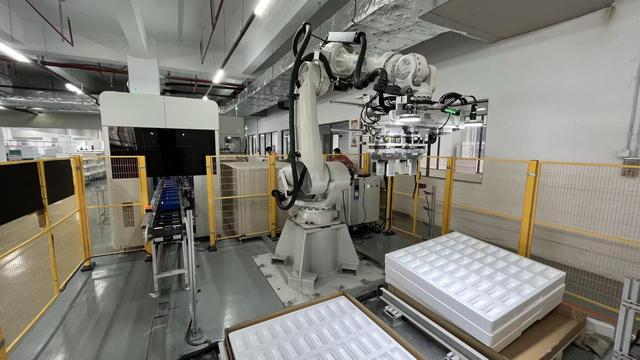
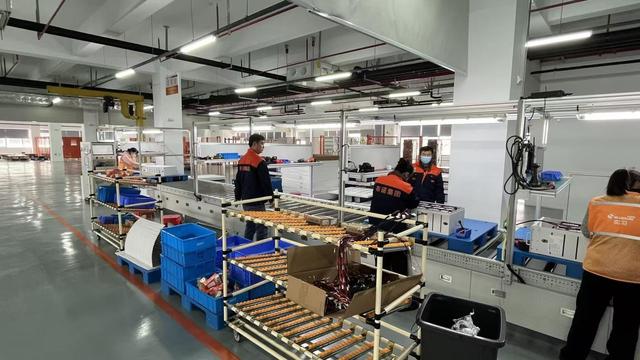
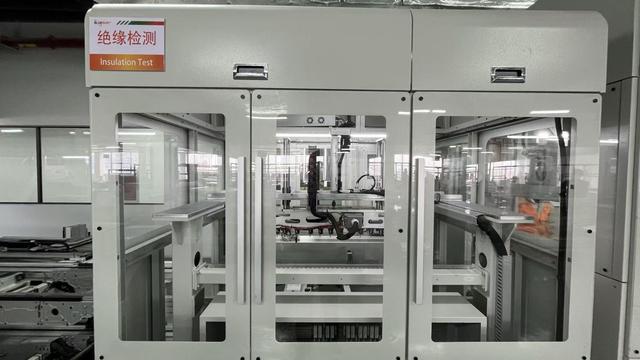
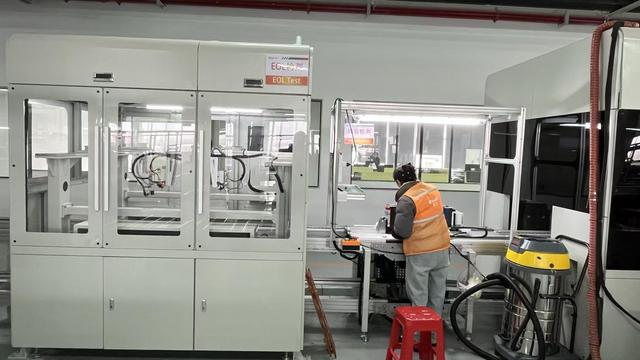
Based in the manufacturing hub of Ningbo, China, Ningbo GAF Solar Co., Ltd. stands as a premier manufacturer of high-efficiency solar modules. Our state-of-the-art facilities feature fully automated production lines, multi-busbar (MBB) cell integration, and double-glass laminators engineered for extreme durability.
For solar developers in Kuala Lumpur, partnering with a Ningbo-based factory offers unmatched logistic efficiency. Shipments flow seamlessly from the Port of Ningbo directly to Port Klang, bypassing complex transshipment routes. This strategic supply chain alignment translates to minimized lead times, competitive freight costs, and the capability to execute flexible OEM and ODM services for large scale utility and municipal developments.
To maximize solar yield in Kuala Lumpur, project engineers must design layouts that suit the region's specific topographies and building regulations:
Large logistics hubs and manufacturing facilities featuring vast trapezoidal metal deck roofs represent primary targets for bifacial installations. By integrating high-clearance elevated racking structures and high-efficiency double-glass panels, developers can capture under-panel reflections, mitigating the effects of roof-level heat buildup.
High-rise building rooftops often feature heavy concrete mechanical rooms and cooling towers, creating complex shade patterns. Utilizing high-efficiency Trina Vertex or GAF N-Type TOPCon bifacial panels with optimized shade-resisting diode configurations helps maintain high system output despite partial shade.
Commercial malls in Petaling Jaya and Cheras can convert open asphalt car parks into clean energy generation stations. Since asphalt has a low albedo, developers can paint the driveway surfaces white or use light concrete, using bifacial panels as dual-purpose canopies that shade vehicles while generating power from above and below.
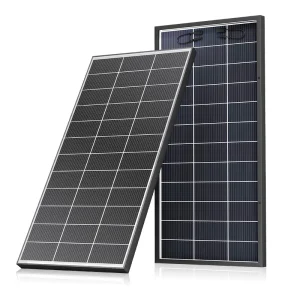
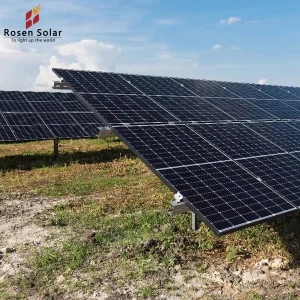
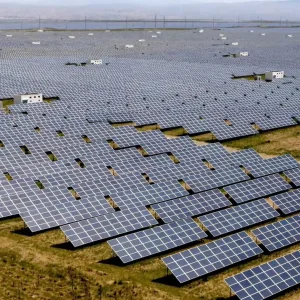
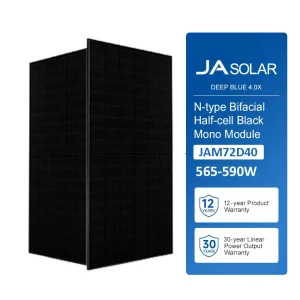
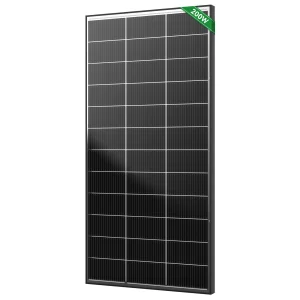
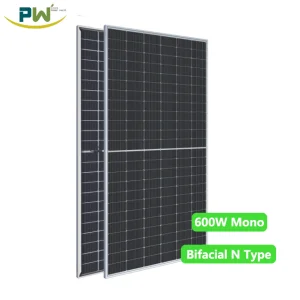
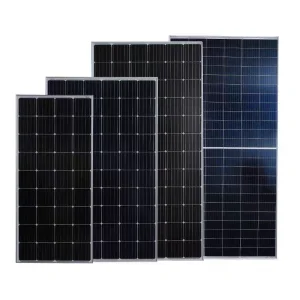
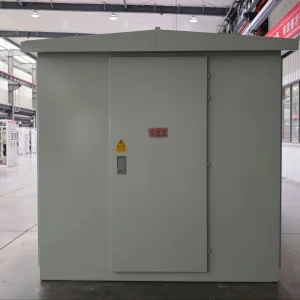
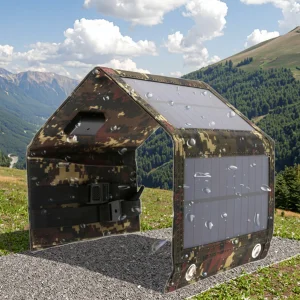
Ningbo GAF Solar Co., Ltd. is a professional Solar Panel Manufacturer | Monocrystalline, Bifacial & High Efficiency PV Modules dedicated to providing reliable solar energy solutions for residential, commercial, industrial, and utility-scale applications worldwide. With a strong commitment to renewable energy innovation, the company delivers advanced photovoltaic products designed to maximize energy generation, efficiency, and long-term performance.
Based in Ningbo, China, GAF Solar operates modern manufacturing facilities equipped with advanced production technologies, automated assembly lines, and comprehensive quality control systems. The company specializes in the development and production of monocrystalline solar panels, bifacial solar modules, high-efficiency photovoltaic panels, rooftop solar solutions, commercial solar systems, industrial solar installations, and customized PV energy projects.
GAF Solar focuses on technological innovation and product reliability. By utilizing premium-grade solar cells, durable materials, and precision manufacturing processes, the company produces solar modules capable of delivering excellent power output, superior weather resistance, and long operational lifespans. Every product undergoes rigorous testing and quality inspections to ensure compliance with international standards and the demanding requirements of global energy markets.
In addition to manufacturing high-performance solar panels, GAF Solar offers comprehensive OEM and ODM services, supporting distributors, EPC contractors, solar developers, energy solution providers, and private-label brands. The company provides flexible customization options, professional technical support, and efficient project coordination from design and production to shipment and after-sales service.
Serving customers across North America, Europe, Southeast Asia, the Middle East, Africa, and Latin America, Ningbo GAF Solar Co., Ltd. has established a reputation for quality, reliability, and customer-focused service. Through continuous innovation and sustainable manufacturing practices, the company remains committed to accelerating the global transition toward clean, renewable energy and creating long-term value for partners around the world.
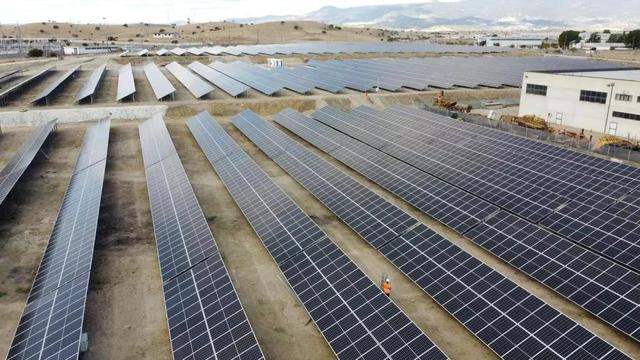
The Bifaciality Factor is the ratio of rear-side performance to front-side performance under Standard Test Conditions (STC). For our N-type TOPCon panels, the bifaciality factor ranges between 80% and 85%, whereas traditional P-type PERC panels typically achieve only 65% to 70%. In Kuala Lumpur's C&I projects, this higher factor translates to substantially greater energy generation from rear-side reflections, particularly on metal roof sheets coated with light paint, or concrete flat roofs.
High relative humidity (frequently exceeding 80% in Malaysia) can accelerate Potential Induced Degradation (PID) and cause moisture ingress in poorly sealed panels. Our double-glass (glass-on-glass) configuration eliminates traditional plastic backsheets, replacing them with high-durability tempered glass. Glass is completely impermeable to water vapor, ensuring zero PID risk and guaranteeing a 30-year operational life even in tropical maritime climates.
For optimum performance of bifacial modules at Latitude 3° N:
Yes. We offer fully integrated OEM and ODM services. We can customize glass thickness (2.0mm standard or 3.2mm for extreme wind-load zones), module dimensions, frame colors (black anodized, silver), cable lengths (for specialized string designs), and cell configurations (e.g., half-cut cells for optimized partial shade performance).
Our photovoltaic modules undergo stringent international testing and hold TUV Rheinland, CE, and ISO certifications. For grid connection in Malaysia under the NEM 3.0 or Nova schemes, we provide all required factory datasheets, flash test reports, and IEC quality certificates to support your local EPC partner during the SIRIM and Suruhanjaya Tenaga approval processes.
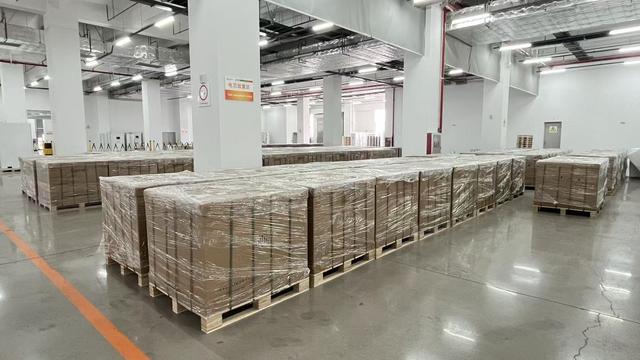
Leveraging our strategic location near Ningbo Port, we manage fast loading and clearance. Direct vessel shipments to Port Klang (Westport/Northport) typically take between 10 to 14 days in transit. We package all bifacial modules using heavy-duty vertical pallets designed to prevent micro-cracks during sea transit, complete with moisture-barrier packaging.
Our N-type TOPCon modules feature an first-year degradation of less than 1.0%, with subsequent annual degradation capped at 0.4% over 30 years. In contrast, traditional P-type panels degrade at approximately 0.55% to 0.7% annually. Over a 25-to-30-year lifecycle, N-type panels yield up to 10% more cumulative energy based on lower degradation curves alone.
 GAF Solar