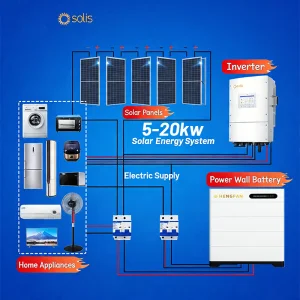
Explore our highly-adaptive solar solutions optimized for the structural demands, high humidity, and spatial constraints of Singapore's urban architecture.
As a hyper-dense, land-scarce city-state situated just 137 kilometers north of the equator, Singapore faces a unique energy trilemma: balancing reliability, affordability, and environmental sustainability. Traditional horizontal utility-scale solar farms require extensive acreage that Singapore simply does not have. With over 95% of its electricity generated from imported natural gas, the nation is actively pivoting toward local solar harvesting as its primary domestic renewable energy source.
Under the ambitious Singapore Green Plan 2030, the government has set a target of achieving at least 2 gigawatt-peak (GWp) of solar energy capacity by 2030. Achieving this target requires rethinking the built environment. Buildings are no longer mere energy consumers; they must transform into vertical power generators. This paradigm shift has propelled Building Integrated Photovoltaics (BIPV)—where solar cells are seamlessly integrated directly into building materials such as roofs, windows, facades, and canopies—to the forefront of architectural and energy strategies.
The Building and Construction Authority (BCA) of Singapore has continuously raised the bar with its Green Mark certification schemes. To attain the coveted Super Low Energy (SLE) or Zero Energy building status, developers must show deep carbon mitigation and onsite renewable energy generation. Standard retrofitted solar panels (BAPV) often face spatial, weight, and aesthetic limitations on high-rise facades. BIPV technology bypasses these hurdles by serving a dual purpose: acting as an external weather barrier and thermal insulator while simultaneously harvesting solar irradiation.
In Singapore, industrial areas like Jurong Innovation District, Tuas, and Changi logistics hubs, along with commercial high-rises in the Downtown Core, present massive vertical and rooftop surface areas. Because the tropical sun remains high throughout the year, optimizing vertical spandrels and facades with high-performance solar materials is crucial. Developers are increasingly seeking:
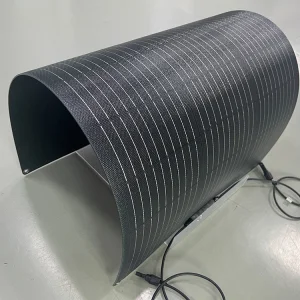
Allowing visible light transmission while capturing infrared and ultraviolet wavelengths for clean energy production.
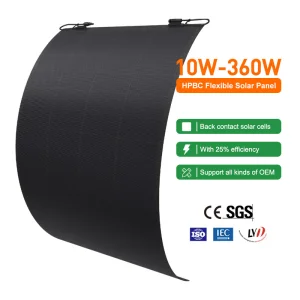
Essential for older structures in Singapore that cannot support heavy structural retrofitting due to strict civil engineering dead-load limits.
Mitigating the Urban Heat Island (UHI) effect by absorbing solar energy before it heats up concrete walls, lowering air-conditioning loads.
High humidity and ambient temperatures in Singapore (frequently exceeding 32°C) cause thermal degradation in standard solar modules. BIPV elements must possess low temperature coefficients to operate efficiently under elevated temperatures.
HJT Temperature Coefficient:
-0.26%/°C
Ensures minimal efficiency drop in hot climates compared to older PERC modules (-0.35%/°C).
The global Building Integrated Photovoltaic market is projected to grow exponentially over the next decade. Driven by European Union Net-Zero Building mandates, US commercial tax incentives (such as the Inflation Reduction Act), and East Asia’s manufacturing scale, the cost of BIPV materials has converged with traditional cladding materials. Architects and engineering firms in Singapore are relying heavily on advanced manufacturing ecosystems in China, particularly logistics hubs like Ningbo, to supply certified, highly customized PV components.
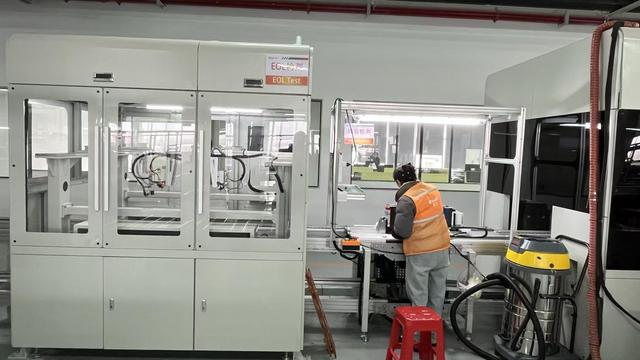
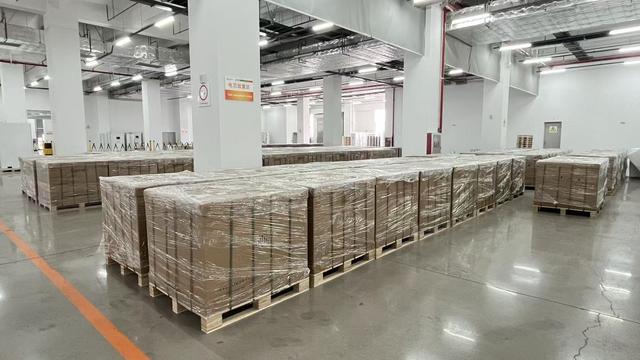
As a global solar production center, Ningbo hosts advanced production facilities that utilize state-of-the-art automation, laser-scribing, and high-precision glass-glass lamination. The logistical proximity of Ningbo Port to the Port of Singapore ensures rapid transit times, minimizing supply chain delays for fast-paced commercial construction timelines in Singapore.
Understanding the molecular and structural makeup of solar cells is key to optimizing investment returns. Today's BIPV market has evolved past standard silicon cells to complex architectures:
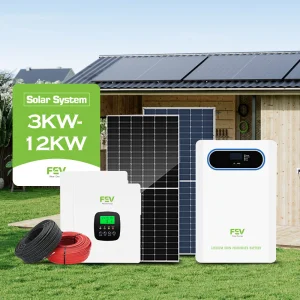
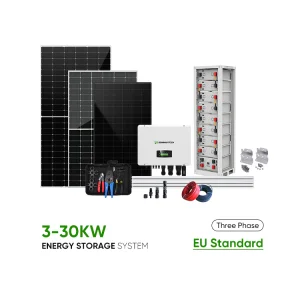
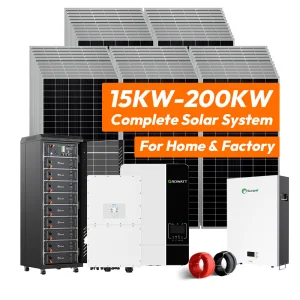
Deploying solar panels in a tropical urban setting requires comprehensive solutions rather than isolated components. Modern projects utilize a mix of technologies to maximize energy yield:
Your Trusted Global Solar Panel Manufacturer | Monocrystalline, Bifacial & High Efficiency PV Modules
Ningbo GAF Solar Co., Ltd. is a professional solar manufacturer dedicated to providing reliable solar energy solutions for residential, commercial, industrial, and utility-scale applications worldwide. With a strong commitment to renewable energy innovation, the company delivers advanced photovoltaic products designed to maximize energy generation, efficiency, and long-term performance.
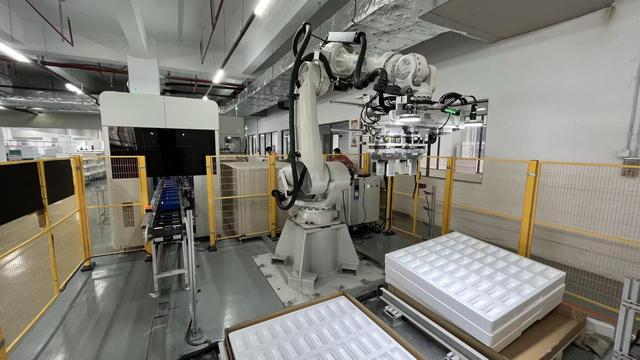
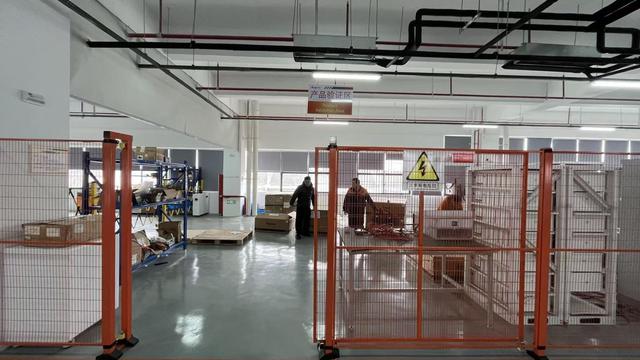
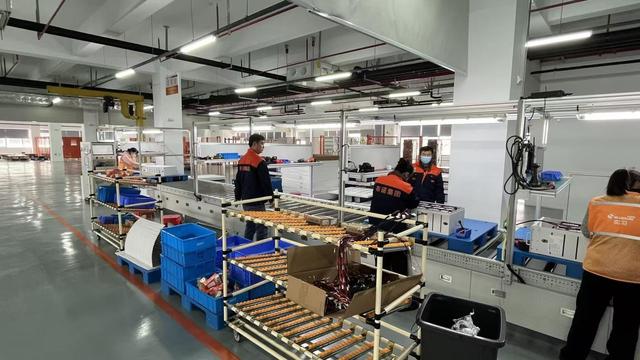
Based in Ningbo, China, GAF Solar operates modern manufacturing facilities equipped with advanced production technologies, automated assembly lines, and comprehensive quality control systems. The company specializes in the development and production of monocrystalline solar panels, bifacial solar modules, high-efficiency photovoltaic panels, rooftop solar solutions, commercial solar systems, industrial solar installations, and customized PV energy projects.
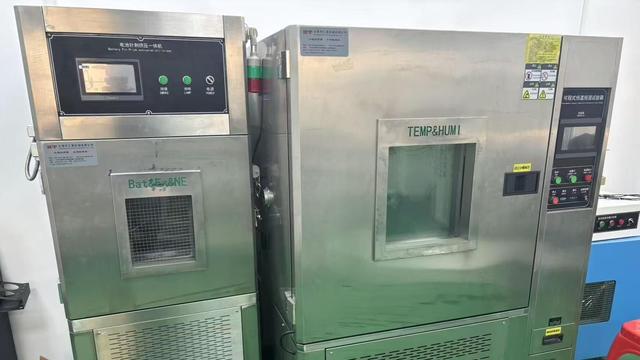
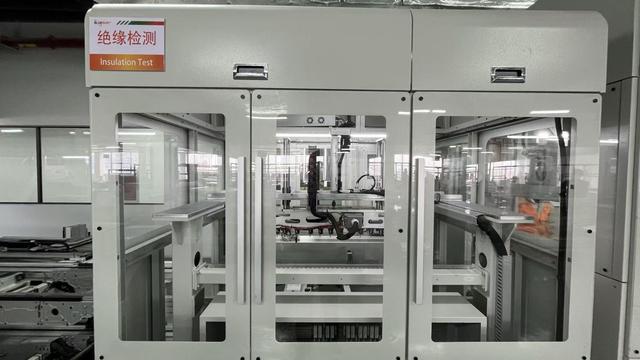
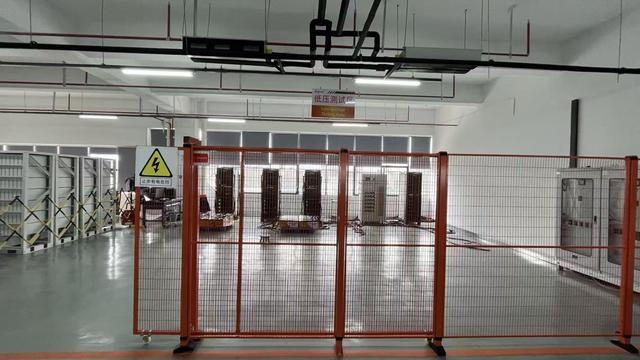
GAF Solar focuses on technological innovation and product reliability. By utilizing premium-grade solar cells, durable materials, and precision manufacturing processes, the company produces solar modules capable of delivering excellent power output, superior weather resistance, and long operational lifespans. Every product undergoes rigorous testing and quality inspections to ensure compliance with international standards and the demanding requirements of global energy markets.
In addition to manufacturing high-performance solar panels, GAF Solar offers comprehensive OEM and ODM services, supporting distributors, EPC contractors, solar developers, energy solution providers, and private-label brands. The company provides flexible customization options, professional technical support, and efficient project coordination from design and production to shipment and after-sales service.
Serving customers across North America, Europe, Southeast Asia, the Middle East, Africa, and Latin America, Ningbo GAF Solar Co., Ltd. has established a reputation for quality, reliability, and customer-focused service. Through continuous innovation and sustainable manufacturing practices, the company remains committed to accelerating the global transition toward clean, renewable energy and creating long-term value for partners around the world.
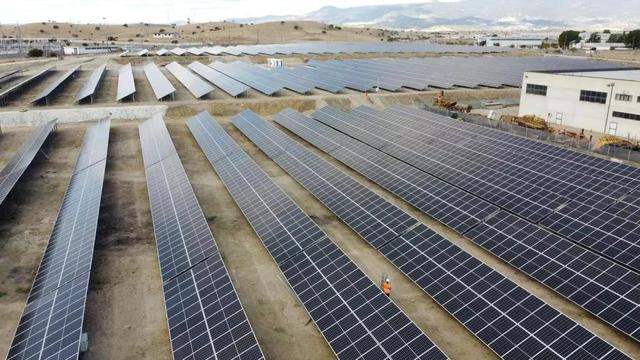
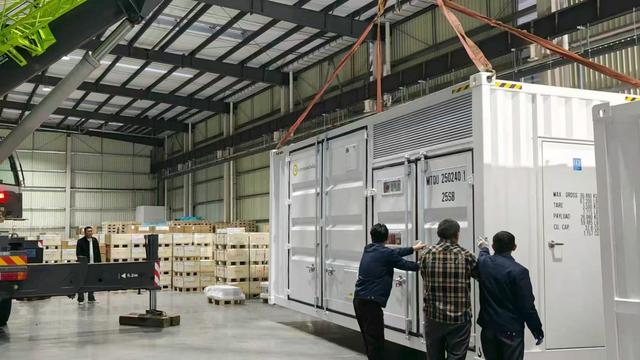
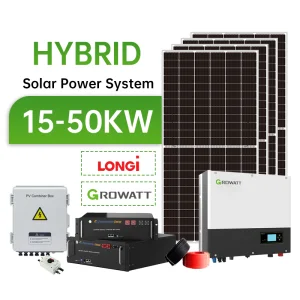
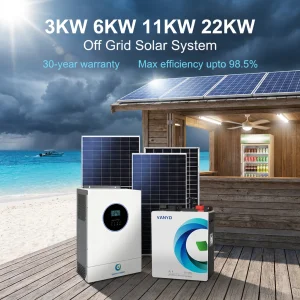
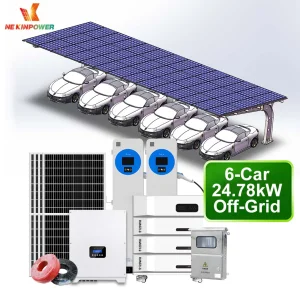
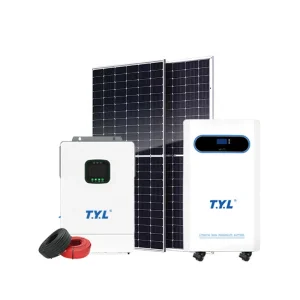
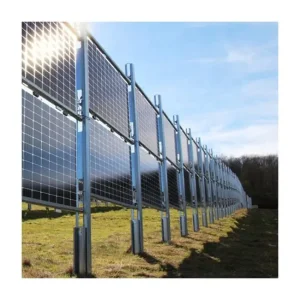
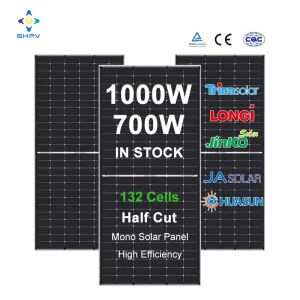
Select from our industry-grade solar arrays, high-capacity energy storage systems, and mounting configurations engineered for seamless integration.
Crucial engineering, regulatory, and financial insights for EPC contractors, real estate developers, and green architects in Singapore.
 GAF Solar