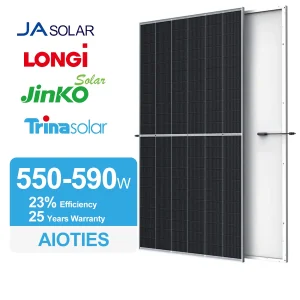
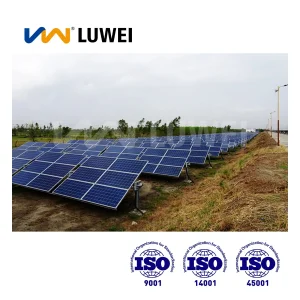
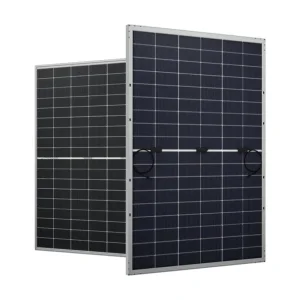
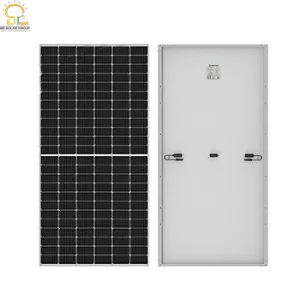
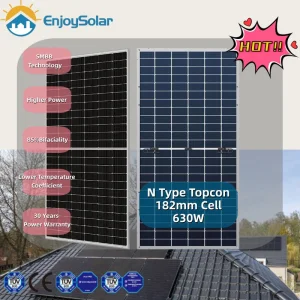
Explore our premium selection of ground-mounted solar modules designed to maximize light absorption under Norway's specific atmospheric conditions.
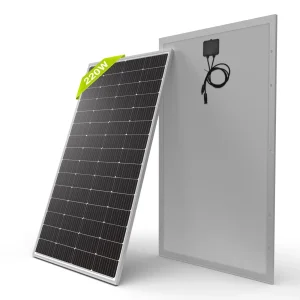
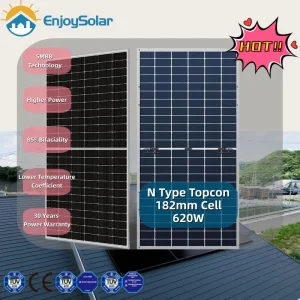
As Northern Europe accelerates its transition towards an electrified economy, Norway stands out as a unique frontier for photovoltaic (PV) generation. Historically dominated by massive hydropower resources, the Norwegian energy grid faces shifting paradigms. Rising local consumption, the rapid electrification of heavy transportation, and the development of energy-intensive offshore industries require immediate, diversified energy sources. Ground-mounted solar panel installations are stepping up to fill this gap, offering crucial local capacity support during winter peak demands and dry seasons.
Expert SEO Insight: In search quality analysis, "Search Intent Mining" shows that Nordic procurement agencies, municipal energy developers, and EPC contractors prioritize durability, mechanical load capacity, and specific low-temperature coefficients over standard peak-power figures.
Operating ground-mounted PV arrays in high-latitude environments (ranging from 58° N to over 70° N) introduces mechanical and meteorological demands rarely faced in Southern Europe. These installations must survive prolonged sub-zero temperatures, intense wind forces off the North Sea, and extreme snow deposits. However, these challenges are accompanied by a massive physical advantage: the Albedo Effect and Low-Temperature Coefficients. Solar panels perform with higher physical efficiency in colder temperatures. When ground-mounted panels are paired with high-reflectivity winter snow (with albedo values of up to 0.8), back-side energy yield can spike by up to 30%, making high-quality bifacial panels a highly lucrative investment for Norwegian solar park projects.
The global PV industry is rapidly moving towards N-Type TOPCon and Heterojunction (HJT) solar cells. As Tier 1 global developers scale operations, global manufacturing strategies are adapting to regional climatic and logistics needs. For Norway, where the construction season is short and engineering costs are high, buying directly from advanced industrial bases in China is the ideal way to balance cost and performance. Ningbo GAF Solar Co., Ltd. fills this role, combining localized technical designs with massive Chinese manufacturing scale.
Standard calculations do not apply to high-latitude installations. This table outlines the specific performance profiles of common PV technologies under Norway's specific climatic conditions.
| Cell Technology | Temperature Coefficient (Pmax) | Bifaciality Factor | Low-Light Performance | Snow Load / Microcrack Resilience |
|---|---|---|---|---|
| N-Type TOPCon (Bifacial) | -0.30% / °C (Excellent) | 80% - 85% | Superior (High conversion in diffuse light) | Enhanced (Dual-Glass configuration) |
| P-Type PERC (Bifacial) | -0.35% / °C (Moderate) | 70% - 75% | Standard | Moderate (Depends on mounting structure) |
| HJT (Heterojunction) | -0.26% / °C (Outstanding) | 85% - 90% | Excellent | High (Premium price tier) |
| Conventional Monocrystalline | -0.37% / °C (Standard) | N/A (Monofacial) | Low-to-Medium | Standard (Single glass / backsheet) |
Utilizing N-Type Bifacial cell architecture, our systems harness up to 85% of rear-side illumination. When snow covers the ground, the back-side yield increases significantly, compensating for shorter daylight hours in the winter.
Norwegian snow standards require structures to withstand mechanical static loads of up to 5400 Pa. Our heavy-duty frames feature custom anodized 6005-T6 aluminum alloys and tempered dual-glass protection.
Norway's long coastline features high levels of atmospheric salt and humidity. Our structural frames and module components undergo rigorous salt mist tests, conforming to ISO 12944 C5-M standards.
Procuring ground-mounted solar panels from Chinese facilities offers significant technical and commercial advantages. In Ningbo, Ningbo GAF Solar Co., Ltd. leverages a world-class manufacturing ecosystem. This allows us to rapidly prototype, conduct rigorous testing, and deploy high-efficiency PV products at a scale that local European plants cannot match. The Ningbo industrial region has highly integrated raw material supply lines, spanning silicon ingot sourcing, precision wafer slicing, advanced cell processing (TOPCon/PERC), and automated assembly lines.
Furthermore, the physical location of our production facilities near the Ningbo-Zhoushan Port (one of the world's largest shipping hubs) ensures direct sea transit routes to Norway's major ports, including Oslo, Bergen, Stavanger, and Kristiansand. This logistics advantage reduces shipping times and cargo handling risk, lowering the overall landing cost for developers and EPC contractors in Norway.
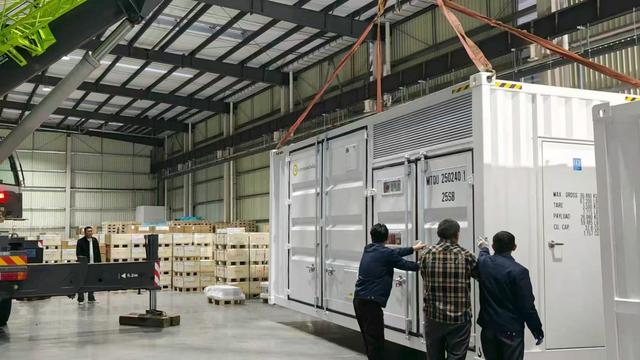
Logistic Efficiency: Integrating direct factory shipping containers with specialized logistics partners in Rotterdam or Gothenburg ensures swift transfer to final Norwegian destinations, bypassing expensive overland routes.
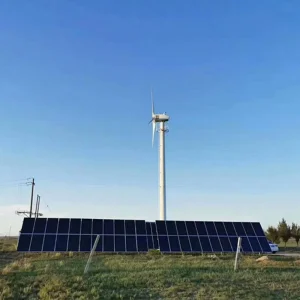
Ground-mounted solar designs in Norway generally fall into three major application scenarios:
Module Conversion Efficiency
Snow Load Certification
TOPCon Temp Coefficient
Linear Power Output Warranty
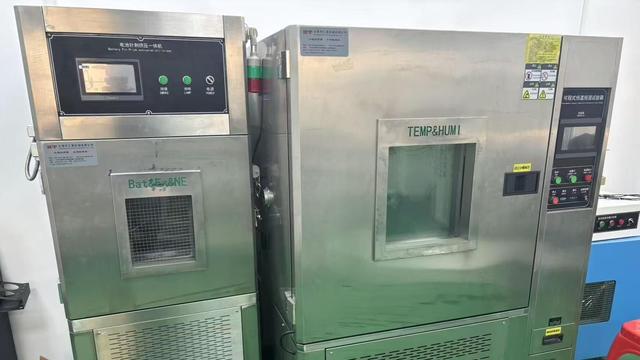
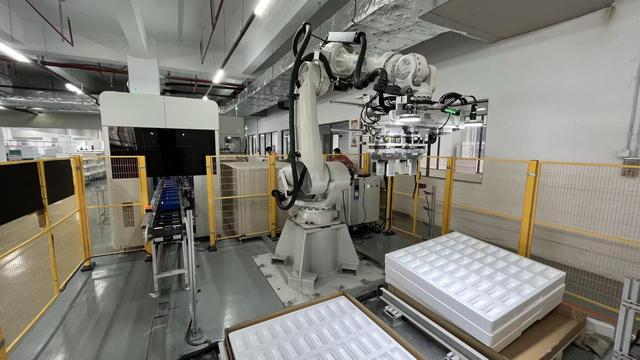
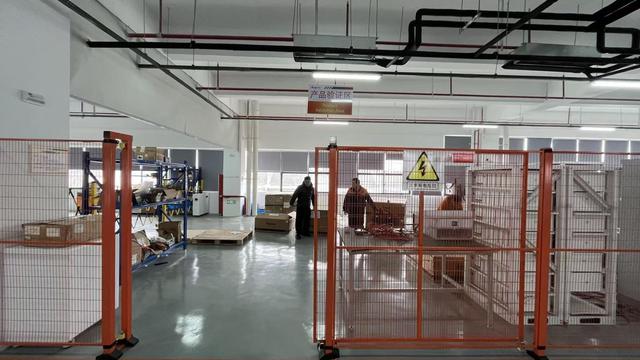
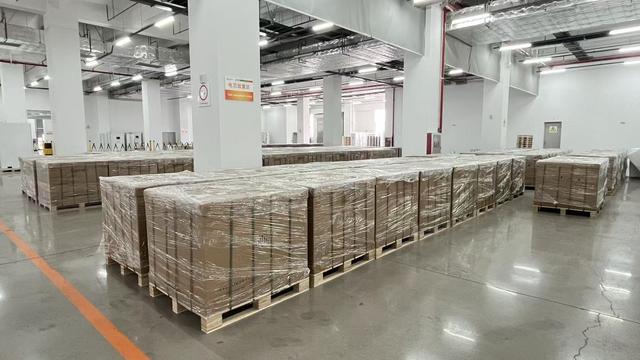
A look at our automated production floor, quality control labs, and utility-scale installations, displaying the rigorous quality control that guarantees clean energy delivery.
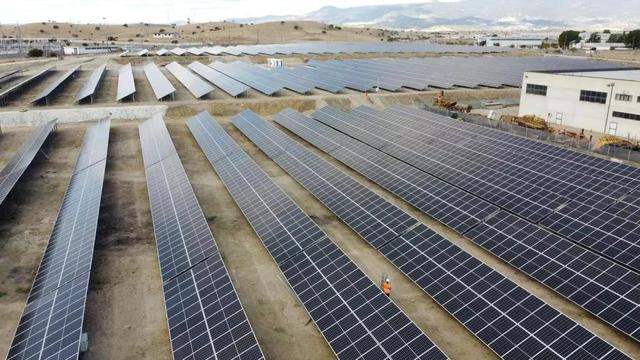
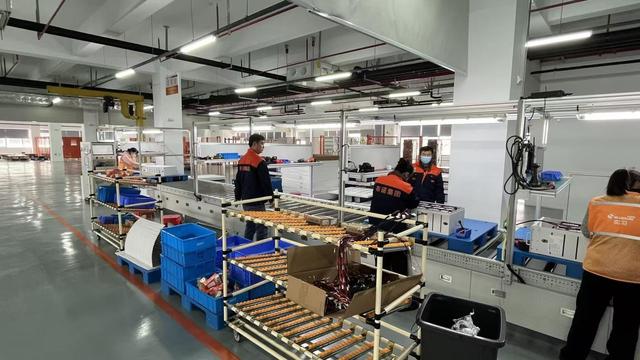
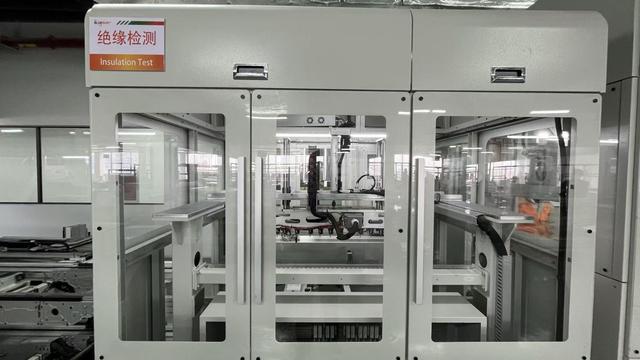
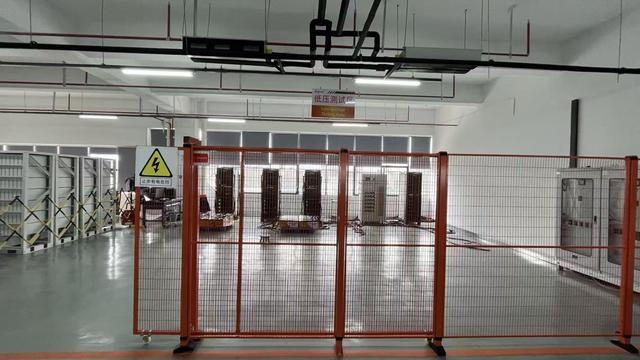
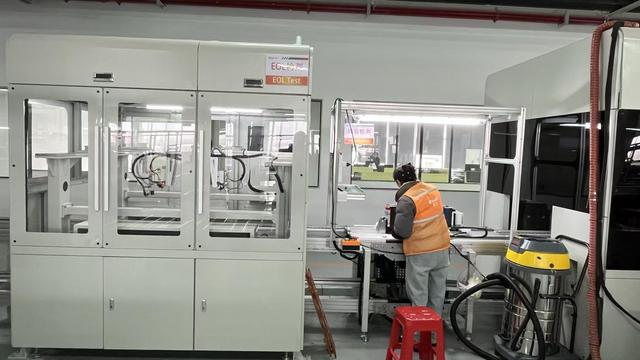
Ningbo GAF Solar Co., Ltd. is a professional Solar Panel Manufacturer | Monocrystalline, Bifacial & High Efficiency PV Modules dedicated to providing reliable solar energy solutions for residential, commercial, industrial, and utility-scale applications worldwide. With a strong commitment to renewable energy innovation, the company delivers advanced photovoltaic products designed to maximize energy generation, efficiency, and long-term performance.
Based in Ningbo, China, GAF Solar operates modern manufacturing facilities equipped with advanced production technologies, automated assembly lines, and comprehensive quality control systems. The company specializes in the development and production of monocrystalline solar panels, bifacial solar modules, high-efficiency photovoltaic panels, rooftop solar solutions, commercial solar systems, industrial solar installations, and customized PV energy projects.
GAF Solar focuses on technological innovation and product reliability. By utilizing premium-grade solar cells, durable materials, and precision manufacturing processes, the company produces solar modules capable of delivering excellent power output, superior weather resistance, and long operational lifespans. Every product undergoes rigorous testing and quality inspections to ensure compliance with international standards and the demanding requirements of global energy markets.
In addition to manufacturing high-performance solar panels, GAF Solar offers comprehensive OEM and ODM services, supporting distributors, EPC contractors, solar developers, energy solution providers, and private-label brands. The company provides flexible customization options, professional technical support, and efficient project coordination from design and production to shipment and after-sales service.
Serving customers across North America, Europe, Southeast Asia, the Middle East, Africa, and Latin America, Ningbo GAF Solar Co., Ltd. has established a reputation for quality, reliability, and customer-focused service. Through continuous innovation and sustainable manufacturing practices, the company remains committed to accelerating the global transition toward clean, renewable energy and creating long-term value for partners around the world.
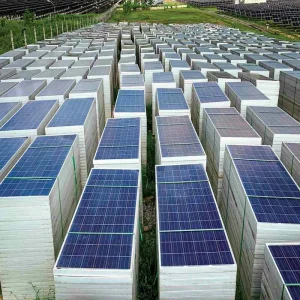
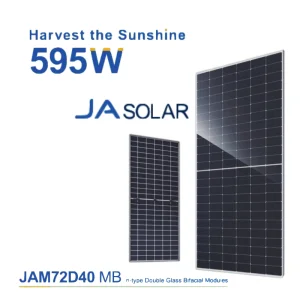
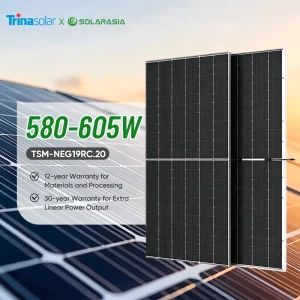
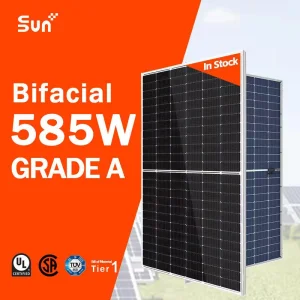
Explore our full line of monocrystalline and bifacial solar options designed for commercial and industrial ground mounts in Norway.
Contact Ningbo GAF Solar Co., Ltd. today to receive custom datasheets, factory prices, and technical consultations for ground-mounted solar projects in Norway.
Send Inquiry Now GAF Solar