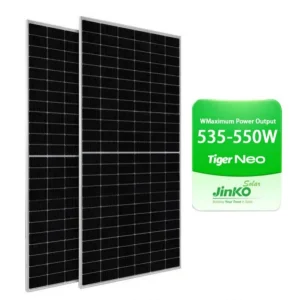
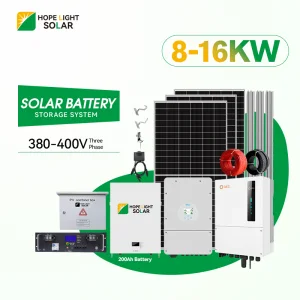
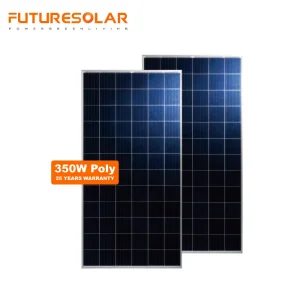
Ningbo GAF Solar Co., Ltd. stands as a premier Solar Panel Manufacturer | Monocrystalline, Bifacial & High Efficiency PV Modules. The enterprise is fundamentally dedicated to developing, engineering, and distributing highly reliable solar energy solutions designed to cater to residential, commercial, industrial (C&I), and utility-scale projects globally. Driven by a rigorous framework of technological innovation, the company continues to manufacture advanced photovoltaic arrays that enhance yield, reduce thermal losses, and guarantee operational integrity over multi-decadal lifecycles.
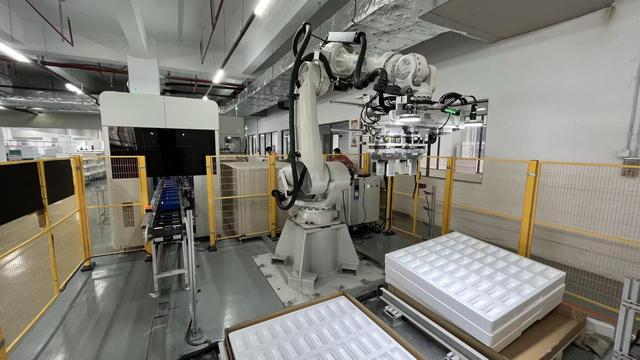
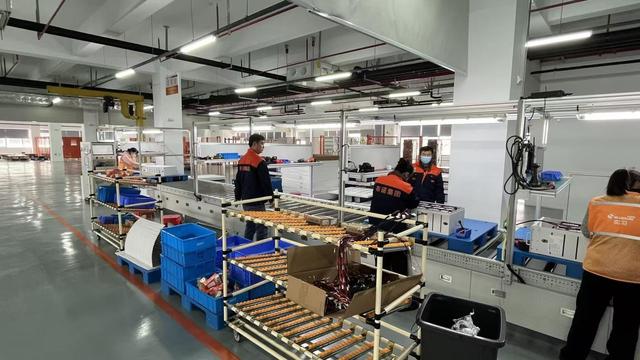
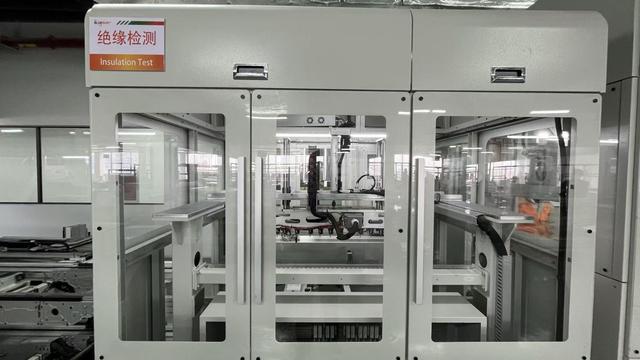
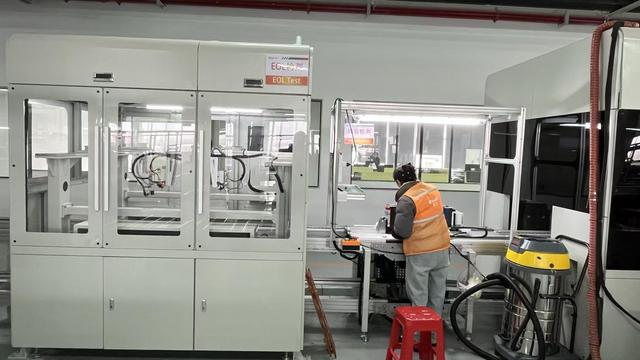
Operating out of Ningbo, China—a global nexus for photovoltaic supply chain logistics—Ningbo GAF Solar Co., Ltd. manages state-of-the-art production plants. These facilities integrate automated assembly systems, EL (Electroluminescence) dual-stage testing, and advanced automated laminators. The specialization portfolio covers high-yield monocrystalline modules, double-glass bifacial panels, decentralized rooftop layouts, commercial off-grid arrays, and hybrid utility microgrids.
"By leveraging silicon-level innovations and advanced assembly lines, GAF Solar ensures that every PV module dispatched complies with strict international performance baselines and IEC/UL standards."
Ningbo GAF Solar Co., Ltd. utilizes premium-grade silicon ingots and highly robust encapsulants (EVA/POE) to minimize Potential Induced Degradation (PID) and guarantee long-term performance stability under severe environmental stress.
The enterprise provides complete end-to-end design, prototyping, and private labeling services for global distributors, EPC engineering firms, and utility managers requiring tailored mechanical dimensions or power outputs.
The dynamic global energy landscape is currently undergoing a structural pivot. Distributed Energy Resources (DERs), specifically integrated PV-battery systems, are transitioning from auxiliary generation assets to core grid-stabilizing infrastructures. In both developed and developing regions, grid volatility, rising carbon tariffs (such as Europe's Carbon Border Adjustment Mechanism - CBAM), and the imperative for operational continuity have compelled commercial and industrial entities to invest heavily in localized solar management networks.
In manufacturing hubs, decentralized microgrids act as an essential buffer against regional transmission failures. Furthermore, the convergence of AI and edge-computing with Smart Energy Management Systems (EMS) enables plants to actively engage in peak-shaving, load-shifting, and virtual power plant (VPP) energy arbitrage.
The transition from p-type PERC structures to n-type Tunnel Oxide Passivated Contact (TOPCon) and Heterojunction (HJT) architectures represents the frontier of cell design. N-type silicon eliminates boron-oxygen defects, resulting in near-zero Light Induced Degradation (LID) and higher temperature coefficients.
By utilizing symmetrical double-glass encapsulation, GAF Solar modules capture albedo reflection from ground installations (sand, concrete, snow). This yields up to an additional 25% power generation compared to conventional mono-facial models.
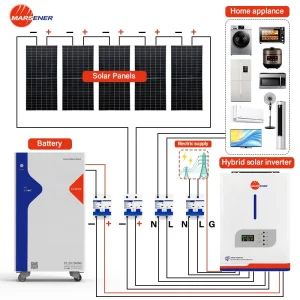
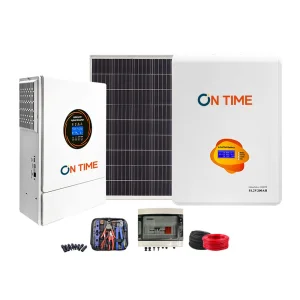
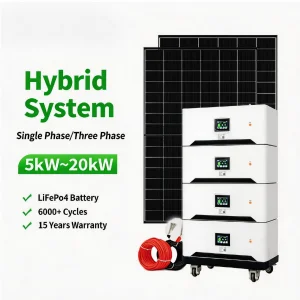
Modern solar installations integrate MPPT chargers and hybrid lithium-ion storage units. Real-time diagnostic systems compute atmospheric changes to adaptively match load profiles and minimize grid draw.
Photovoltaic technology is highly context-dependent. A system engineered for standard industrial roofing is ill-suited for mobile applications or marine deployment. Local environmental conditions dictate structural and chemical material compositions.
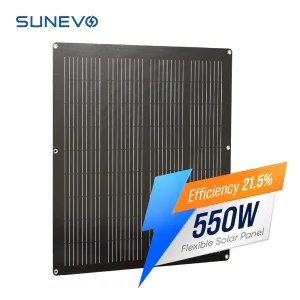
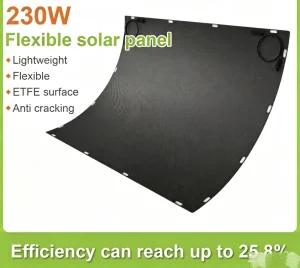
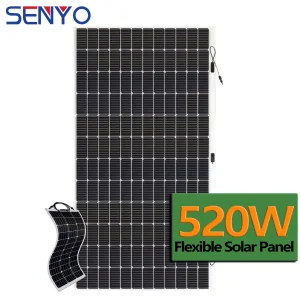
Off-grid mobility platforms require lightweight, bendable, and highly durable modules. Using advanced ETFE polymers, our flexible panels resist saltwater corrosion and thermal fatigue, delivering constant current on curved surfaces.
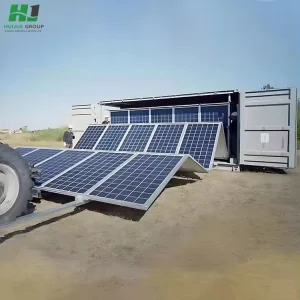
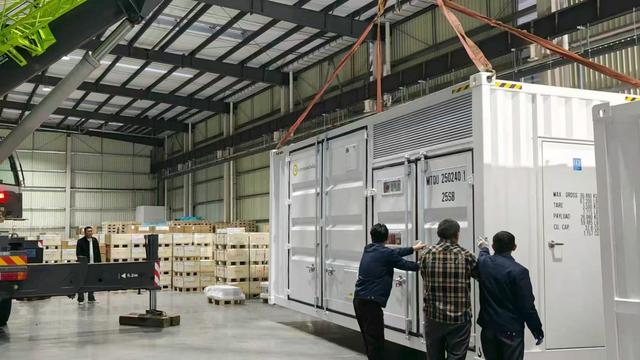
For humanitarian aid, tactical field hospitals, or remote research outposts, rapid-deployment solar kits are critical. Waterproof containerized structures integrating MPPT controllers and battery storage deliver plug-and-play microgrids.
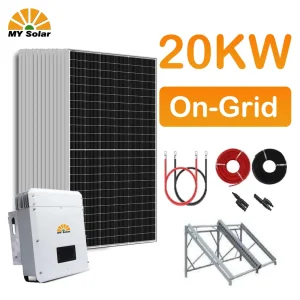
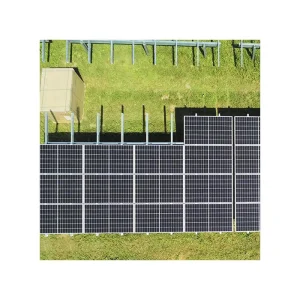
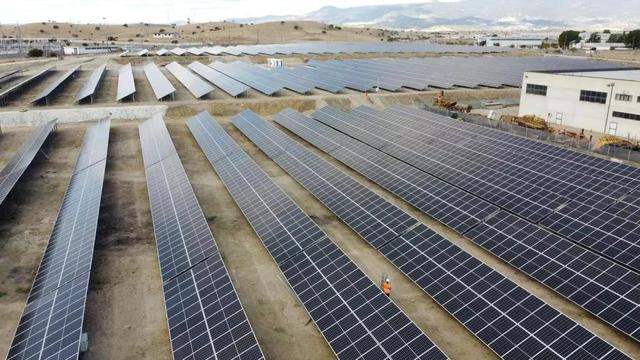
Large-scale manufacturing facilities utilize double-glass bifacial arrays mounted on ground frames. Ground mountings must withstand extreme wind loads, requiring hot-dip galvanized steel structures with high structural calculations.
 GAF Solar