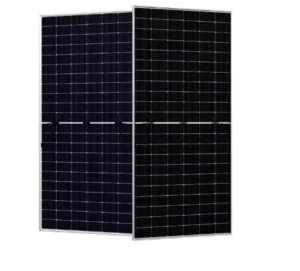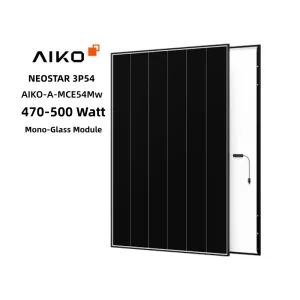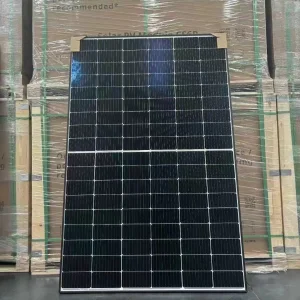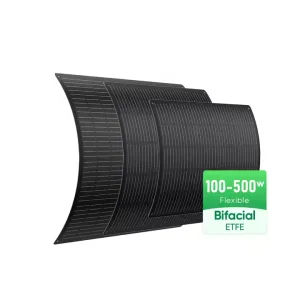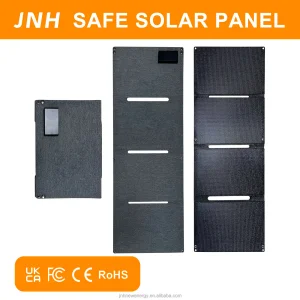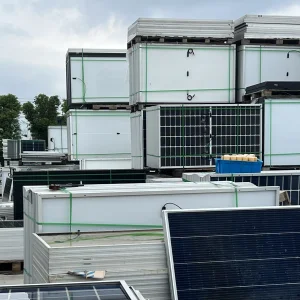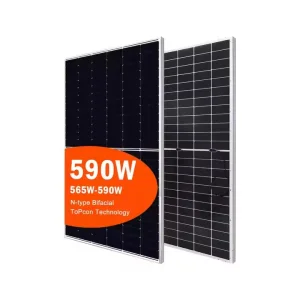
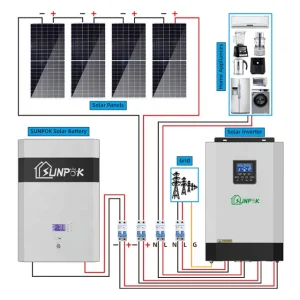
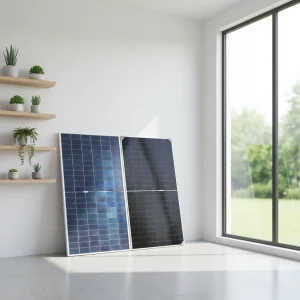
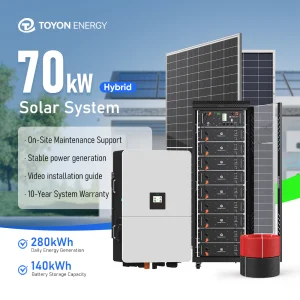
Ningbo GAF Solar Co., Ltd. is a professional Solar Panel Manufacturer | Monocrystalline, Bifacial & High Efficiency PV Modules dedicated to providing reliable solar energy solutions for residential, commercial, industrial, and utility-scale applications worldwide. With a strong commitment to renewable energy innovation, the company delivers advanced photovoltaic products designed to maximize energy generation, efficiency, and long-term performance.
Based in Ningbo, China, GAF Solar operates modern manufacturing facilities equipped with advanced production technologies, automated assembly lines, and comprehensive quality control systems. The company specializes in the development and production of monocrystalline solar panels, bifacial solar modules, high-efficiency photovoltaic panels, rooftop solar solutions, commercial solar systems, industrial solar installations, and customized PV energy projects.
GAF Solar focuses on technological innovation and product reliability. By utilizing premium-grade solar cells, durable materials, and precision manufacturing processes, the company produces solar modules capable of delivering excellent power output, superior weather resistance, and long operational lifespans. Every product undergoes rigorous testing and quality inspections to ensure compliance with international standards and the demanding requirements of global energy markets.
In addition to manufacturing high-performance solar panels, GAF Solar offers comprehensive OEM and ODM services, supporting distributors, EPC contractors, solar developers, energy solution providers, and private-label brands. The company provides flexible customization options, professional technical support, and efficient project coordination from design and production to shipment and after-sales service.
Serving customers across North America, Europe, Southeast Asia, the Middle East, Africa, and Latin America, Ningbo GAF Solar Co., Ltd. has established a reputation for quality, reliability, and customer-focused service. Through continuous innovation and sustainable manufacturing practices, the company remains committed to accelerating the global transition toward clean, renewable energy and creating long-term value for partners around the world.
The global transition towards grid decarbonization has driven substantial changes in the architecture of commercial and industrial (C&I) photovoltaic systems. Modern utility managers and EPC firms no longer look at solar inverters as simple DC-to-AC conversion boxes. Today, they are recognized as the intelligent nerve centers of energy management. Operating at the boundary of the solar array, the energy storage system (ESS), and the local utility grid, modern solar inverters dictate the overall efficiency, stability, and Levelized Cost of Energy (LCOE) of the installation.
String configurations have largely overtaken centralized inverters in the C&I segment. Delivering high granularity MPPT (Maximum Power Point Tracking), string units ensure maximum harvest even under partial shading, reducing system downtime risks and streamlining operation and maintenance (O&M).
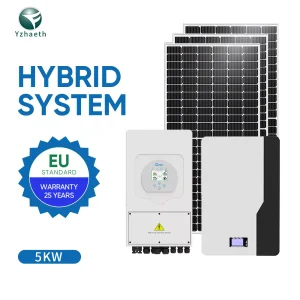
With global energy tariffs fluctuating, hybrid inverters capable of managing bidirectional energy flow (DC-coupled or AC-coupled battery systems) are crucial. These units allow C&I operators to practice peak shaving, load shifting, and retain critical backup power during grid failures.
Advanced grid compliance is standard. Inverters must possess reactive power compensation, active frequency control, and ride-through capabilities to prevent localized grid destabilization, meeting stringent EU, US, and regional utility codes.
Sourcing wholesale solar inverters from China offers distinct competitive advantages that go beyond lower unit costs. The country's well-integrated industrial ecosystems, automated quality control structures, and rapid product development cycles provide significant value to global buyers.
From high-power IGBT semiconductor modules and advanced magnetic copper cores to cooling fans and structural enclosures, every essential component is sourced within small industrial radii. This density shields global buyers from volatile supply chain disruptions and decreases manufacturing lead times by up to 45% compared to regional peers.
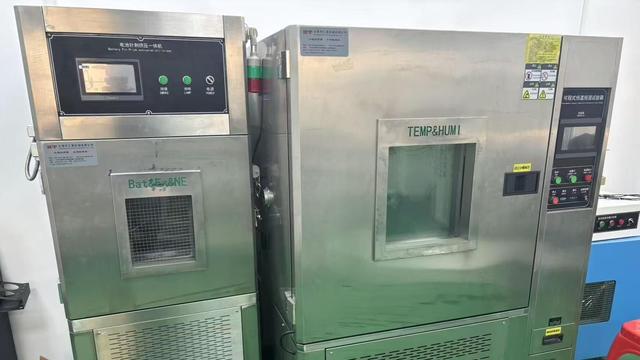
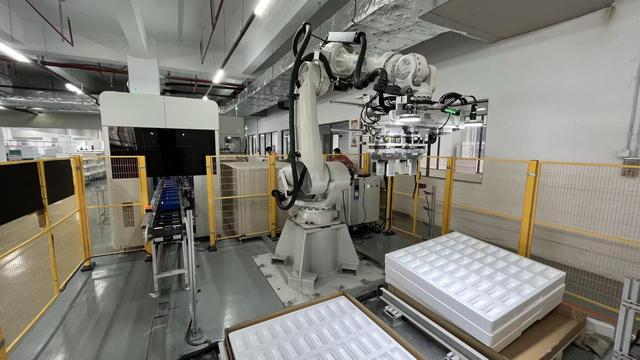
Leading factories deploy fully automated assembly systems utilizing optical inspection (AOI) and robotic calibration. Every inverter unit undergoing manufacturing undergoes active burn-in testing under full load, simulated transient voltage fluctuations, and extreme thermal conditions before packaging, guaranteeing predictable field performance.
Chinese manufacturers have developed dynamic design frameworks that accommodate rapid firmware adaptation. Whether an international developer requires custom grid compliance protocols, specific communication ports (RS485, Modbus, Wi-Fi, Ethernet), or rebranded OEM exterior casings, engineering teams can adjust models with high agility.
Understanding the dynamic challenges of localized deployment ensures that selected inverters perform optimally throughout their intended lifespan. Here is how modern wholesale solar inverters operate across key segments:
In commercial settings, fire safety and electrical noise mitigation are top priorities. High-quality inverters integrate AFCI (Arc Fault Circuit Interrupter) protection governed by AI algorithms, detecting and extinguishing series arcs within milliseconds to prevent fire hazards. In addition, low harmonic distortion (THD < 2%) preserves the operation of delicate corporate computing infrastructure.
Factories operating heavy machinery (welders, large motors, compressors) subject the local AC grid to high inductive loads and transient spikes. Inverters optimized for industrial deployment utilize robust reactive power injection capability to stabilize voltage drops, preventing equipment damage and avoiding costly utility power factor penalties.
Remote farmlands often rely on standalone power grids. Specialized off-grid solar inverters, combined with variable frequency drives (VFD), enable direct connection to deep-well water pumps. These units utilize advanced tracking algorithms to convert fluctuating DC inputs from solar panels directly into dynamic AC power for pump motors, omitting high-maintenance battery banks.
The pace of innovation within the solar sector demands continuous modernization. Procurement officers must verify that their chosen manufacturer aligns with these technological trajectories:
Modern modules are generating higher currents, exceeding 15A to 20A. Contemporary solar inverters must feature high maximum input currents per string (typically 16A to 20A per MPPT input) to prevent clipping and performance degradation when paired with larger N-type wafer modules.
By transitioning from traditional silicon transistors to SiC/GaN semiconductors, modern inverters achieve faster switching speeds, reduced heat generation, and superior conversion efficiency. This allows for lighter-weight designs, making transport and installation easier.
Cloud-connected inverters feature built-in smart diagnostic tools that analyze high-frequency DC and AC wave characteristics. By identifying minor anomalies, the system can flag potential wiring damage or degraded connectors, allowing for scheduled maintenance before failures occur.
Future-ready commercial inverters support Vehicle-to-Grid integration. They act as smart hubs capable of routing surplus solar energy not just to localized battery storage banks, but directly to electric vehicle fleets, transforming parked assets into grid-supporting reserves.
Procuring wholesale solar hardware from China requires structured quality control and verification procedures. Experienced global buyers recommend incorporating these steps into their sourcing workflow:
1. Technical Compatibility: Verify maximum input current limits, MPPT tracking ranges, and peak grid efficiency ratings.
2. Local Grid Settings: Ensure the firmware allows configuration of localized grid frequency thresholds, reactive power limits, and anti-islanding parameters.
3. Hardware Quality: Specify internal components from tier-one providers (e.g., Infineon, ON Semiconductor, Nippon Chemi-Con) to ensure durable, long-term performance.
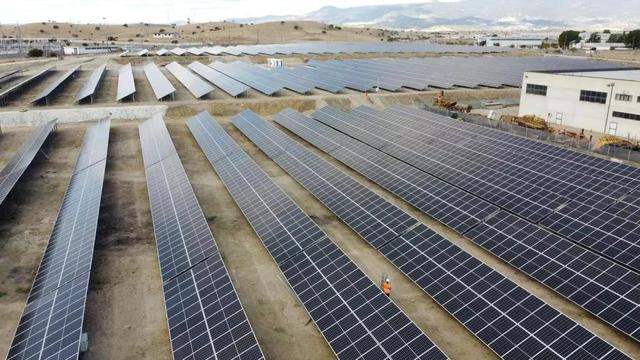
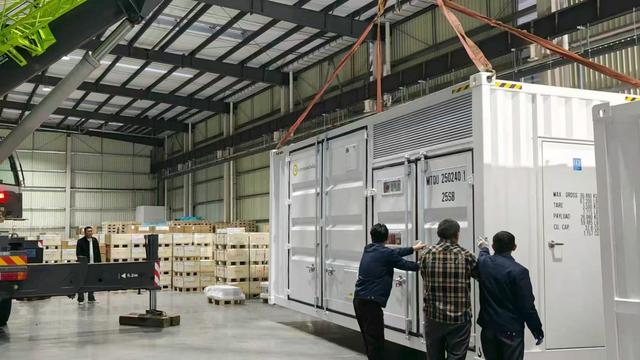
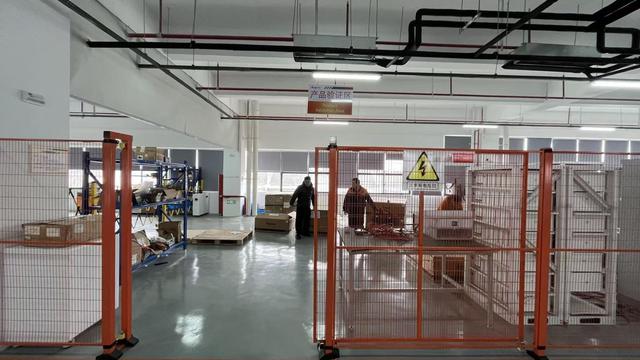
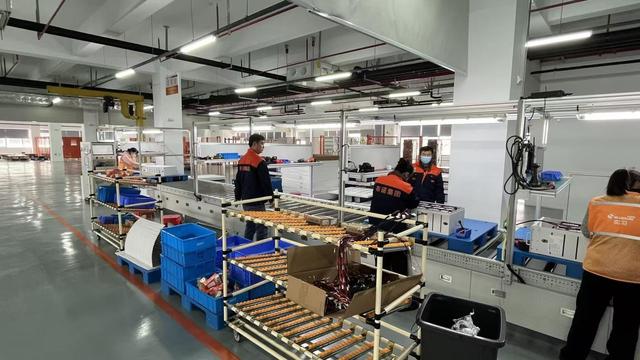
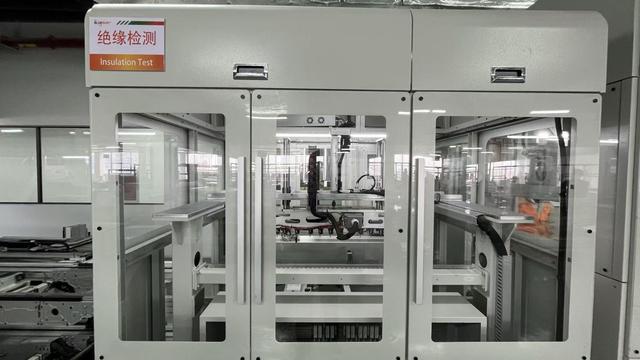
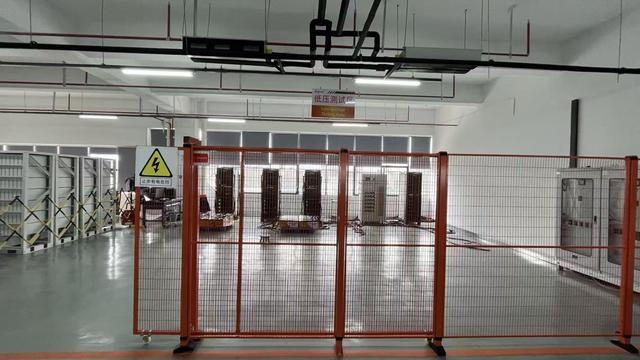
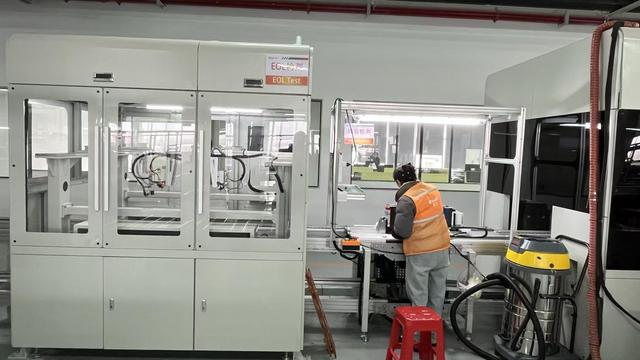
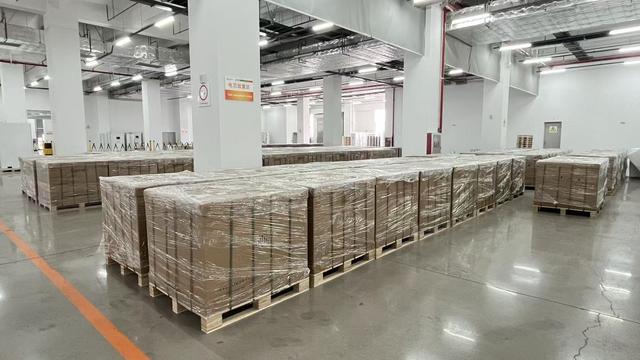
Our advanced manufacturing facility utilizes automated production lines, precise component sorting, and comprehensive electrical testing to ensure consistent production standards for global distribution.
Get direct answers to common questions about sourcing solar inverters, quality standards, and system compatibility.
On-Grid inverters sync directly with the utility grid, exporting excess electricity but shutting down during power outages for grid safety. Off-Grid inverters function independently of the utility grid, utilizing battery banks to maintain power supply. Hybrid Inverters combine both functions, managing solar, battery storage, and utility grid connections to optimize load shifting and provide backup power during blackouts.
Leading Chinese manufacturers deploy a multi-stage testing process. This includes automated optical inspection (AOI) for circuit boards, high-temperature environmental chamber burn-in testing to identify premature component failures, and electrical simulation of grid fluctuations to verify dynamic voltage and frequency response.
Inverter firmware and hardware must comply with regional grid regulations. Key standards include UL 1741 / IEEE 1547 for North America, EN 50549 / CE for Europe, G98/G99 for the United Kingdom, and AS/NZS 4777.2 for Australia. These standards govern electrical safety, anti-islanding protection, and harmonic distortion limits.
Modern N-Type monocrystalline modules and larger bifacial panels produce higher output currents, often exceeding 15A. If an inverter's Maximum Power Point Tracking (MPPT) input current threshold is too low, it will limit or 'clip' the power generation, reducing overall system efficiency.
Yes. GAF Solar offers comprehensive OEM and ODM services. This includes customized packaging, customized metal casing branding, and tailored firmware updates to match local grid parameters, communication protocols, or monitoring software interfaces.
Quality commercial and industrial (C&I) solar inverters are designed for a 12 to 15-year operational life, depending on site environmental conditions. Standard warranties typically cover 5 years, with options for extended coverage of 10 or 15 years supported by replacement parts agreements.
High ambient temperatures can cause inverters to derate, reducing their maximum AC output power to protect internal components. Modern designs utilize active cooling systems with IP66-rated smart fans, heat dissipation channels, and thermal monitoring sensors to maintain stable operation at full capacity in hot environments.
To begin the procurement process, share your technical design parameters, including total system capacity (kW/MW), solar module specifications, battery storage capacity (kWh), local grid compliance codes, and transport requirements. Our sales engineering team will compile detailed bills of materials (BOM) and quote options for your evaluation.
 GAF Solar