The global energy landscape is undergoing a fundamental shift. As governments commit to "Net Zero" targets, Solar Photovoltaic (PV) systems have transitioned from alternative energy sources to the backbone of the modern power grid. The primary driver is no longer just environmental stewardship, but Levelized Cost of Energy (LCOE) parity with fossil fuels.
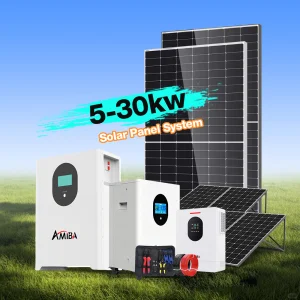
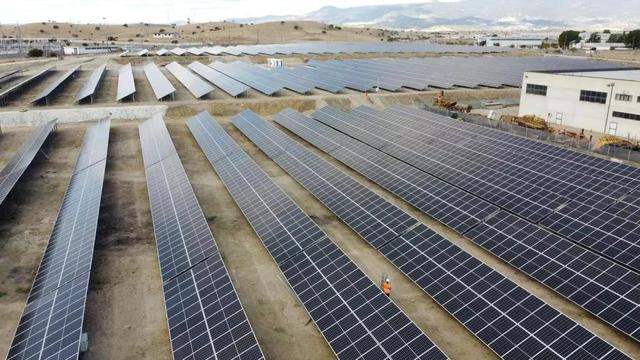
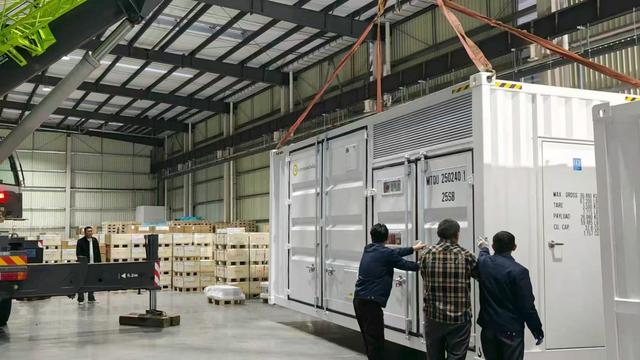
Leading manufacturers are now moving beyond "panel selling" to providing integrated macro-solutions. This includes Utility-Scale Solar Farms that utilize AI-driven tracking systems to optimize irradiance capture, and Microgrid Resilience solutions that integrate PV with BESS (Battery Energy Storage Systems) to protect critical infrastructure from grid instability. In the industrial sector, the trend toward "Green Hydrogen" production via solar electrolysis is creating a new multi-terawatt market for high-capacity monocrystalline bifacial modules.
Reducing operational overhead by achieving 70%+ energy self-sufficiency through rooftop PV arrays and peak-shaving storage.
Dual-land use strategies where solar panels provide shade for crops while generating electricity, increasing land productivity by up to 60%.
Providing frequency regulation and synthetic inertia to national grids through smart inverter technology and large-scale PV plants.
The commercial and industrial solar segment is currently the fastest-growing niche within the PV industry. In 2023, the global C&I solar capacity grew by over 25% year-on-year. This growth is fueled by two primary factors: Corporate ESG Mandates and the Volatility of Wholesale Energy Markets.
In Europe, the REPowerEU plan has accelerated the mandatory installation of solar on commercial buildings. In North America, the Inflation Reduction Act (IRA) has provided unprecedented tax incentives for locally manufactured solar components. Meanwhile, in Asia, particularly China and India, massive "Solar Parks" are driving industrialization at a scale never seen before. Manufacturers who can offer localized supply chain security and bankable performance guarantees are winning the largest market shares.
Navigating the global solar market requires more than just high-quality hardware; it requires deep expertise in Regional Regulatory Compliance. For a Solar Photovoltaic Systems manufacturer to be considered "Top 10," they must adhere to rigorous international standards including IEC 61215, IEC 61730, UL 1703, and CE certification.
Localization involves adapting products to specific environmental challenges:
Ningbo GAF Solar Co., Ltd. is a professional Solar Panel Manufacturer | Monocrystalline, Bifacial & High Efficiency PV Modules dedicated to providing reliable solar energy solutions for residential, commercial, industrial, and utility-scale applications worldwide. With a strong commitment to renewable energy innovation, the company delivers advanced photovoltaic products designed to maximize energy generation, efficiency, and long-term performance.
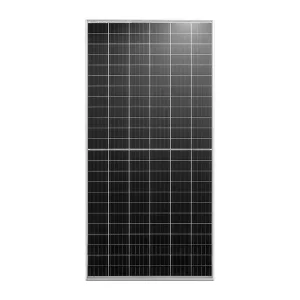
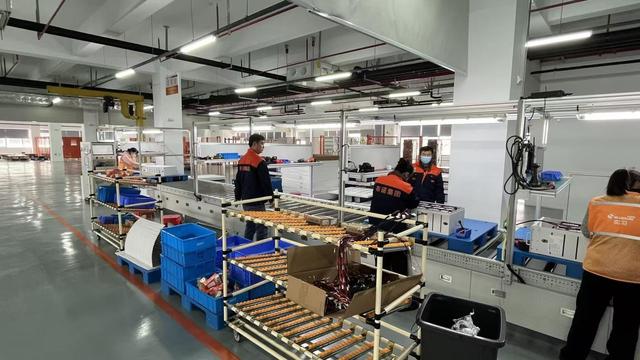
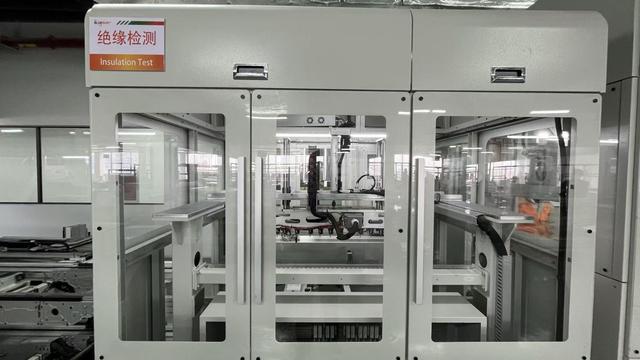
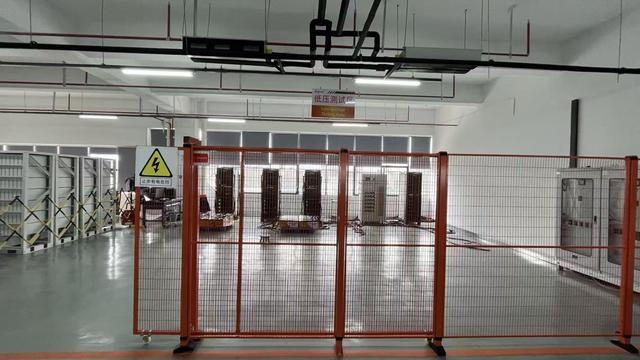
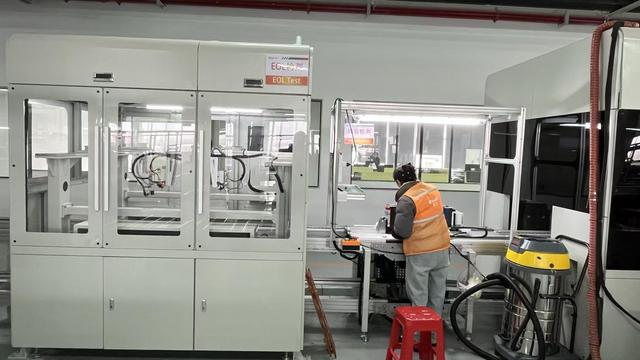
Based in Ningbo, China, GAF Solar operates modern manufacturing facilities equipped with advanced production technologies, automated assembly lines, and comprehensive quality control systems. The company specializes in the development and production of monocrystalline solar panels, bifacial solar modules, high-efficiency photovoltaic panels, rooftop solar solutions, commercial solar systems, industrial solar installations, and customized PV energy projects.
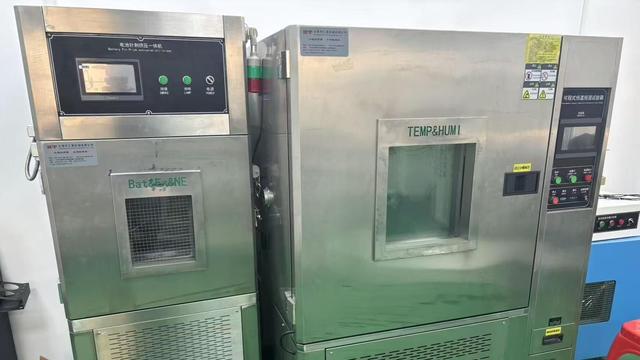
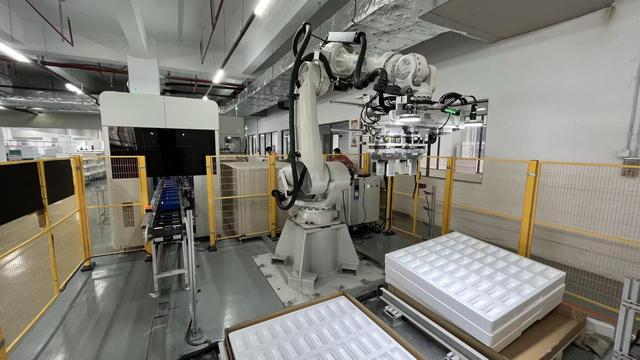
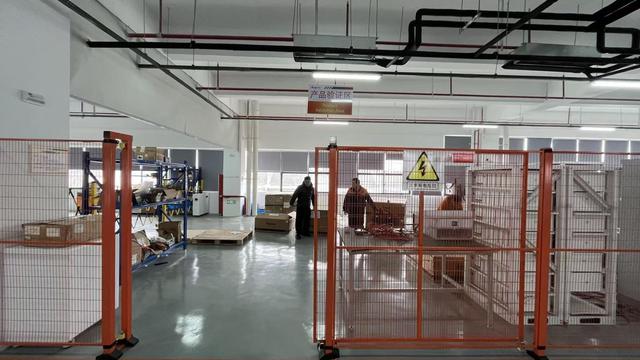
GAF Solar focuses on technological innovation and product reliability. By utilizing premium-grade solar cells, durable materials, and precision manufacturing processes, the company produces solar modules capable of delivering excellent power output, superior weather resistance, and long operational lifespans. Every product undergoes rigorous testing and quality inspections to ensure compliance with international standards and the demanding requirements of global energy markets.
In addition to manufacturing high-performance solar panels, GAF Solar offers comprehensive OEM and ODM services, supporting distributors, EPC contractors, solar developers, energy solution providers, and private-label brands. The company provides flexible customization options, professional technical support, and efficient project coordination from design and production to shipment and after-sales service.
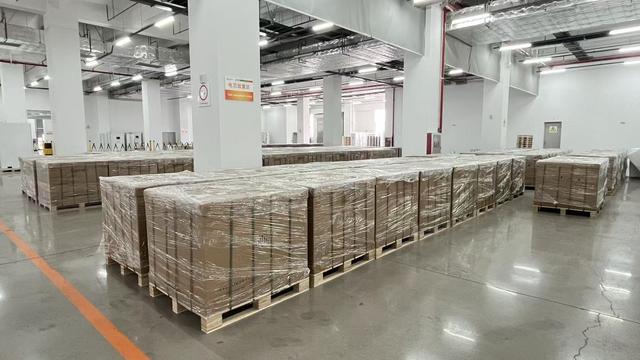
Serving customers across North America, Europe, Southeast Asia, the Middle East, Africa, and Latin America, Ningbo GAF Solar Co., Ltd. has established a reputation for quality, reliability, and customer-focused service. Through continuous innovation and sustainable manufacturing practices, the company remains committed to accelerating the global transition toward clean, renewable energy.
The next decade of solar technology will be defined by the transition from P-type to N-type cell architectures. TOPCon (Tunnel Oxide Passivated Contact) and HJT (Heterojunction Technology) are currently setting new efficiency records, pushing commercial module efficiencies past 23%.
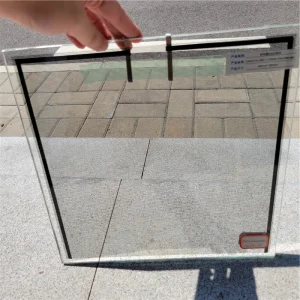
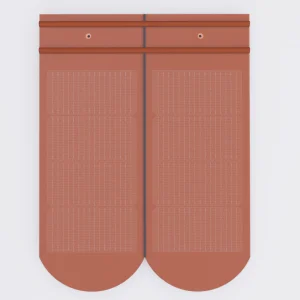
Looking further ahead, Perovskite-Silicon Tandem Cells promise to break the 30% efficiency barrier. Manufacturers are also investing heavily in BIPV (Building Integrated Photovoltaics), where solar functionality is built directly into glass windows, roof tiles, and building facades. This effectively turns every urban structure into a power plant.
 GAF Solar