Engineered for versatility, ease of deployment, and high-efficiency power outputs. These specialized modules form the foundation of microgrids, mobile outreach setups, and residential solar systems worldwide.
In the era of climate adaptation and localized energy resiliency, Solar Outreach Initiatives represent the vanguard of global sustainability efforts. No longer limited to isolated philanthropy, these initiatives constitute robust structural programs spearheaded by multinational corporations, international non-governmental organizations (NGOs), and municipal developers. The primary goal is the conversion of remote off-grid, disaster-prone, or underserved communities into micro-generation hubs. These networks rely on premium solar cell technology to secure continuous, self-sufficient utility and critical emergency power structures.
Large-scale procurement of photovoltaic systems for outreach contexts requires navigating severe site logistics and climate variances. Corporate social responsibility (CSR) budgets and development bank funding (such as the World Bank or Asian Development Bank) require highly precise electrical compliance standards, minimal maintenance lifecycles, and superior physical resilience. Procuring entities do not simply buy "solar panels"; they invest in low-degradation energy assurance systems capable of surviving category-5 hurricanes, marine corrosion, high ambient humidity, and sand storms.
Consequently, original equipment manufacturers (OEMs) and original design manufacturers (ODMs) must exhibit exceptional industrial compliance. This includes Tier-1 cell architecture optimization, mechanical loading capability up to 5400 Pa, high-grade encapsulation materials (like Polyolefin Elastomer - POE, or Ethylene Vinyl Acetate - EVA), and comprehensive performance warranties extending past 25 years. This level of verification guarantees that every component deployed under global solar outreach budgets provides measurable carbon mitigation and social return on investment.
Transitioning to sustainable micro-generation requires bespoke structural layouts. Standard ground-mounted silicon systems are insufficient for mobile medical clinics, maritime observation assets, or emergency telecommunication arrays. The modern clean energy ecosystem demands multi-tiered, specialized solar configurations designed for challenging operational environments.
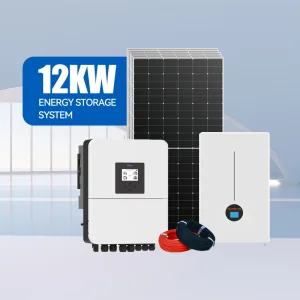
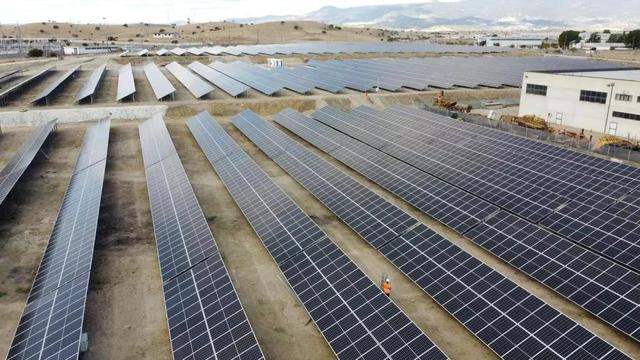
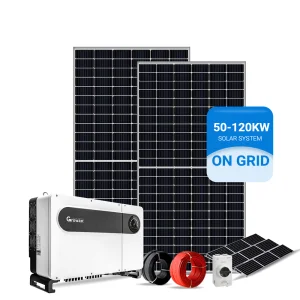
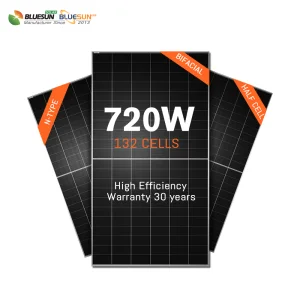
Deploying large-scale N-type Bifacial or TOPCon panels paired with smart hybrid invertors and energy storage systems (ESS). Ideal for supplying stable 120kW/12kW grid-quality power to isolated hospitals, educational hubs, and processing factories.
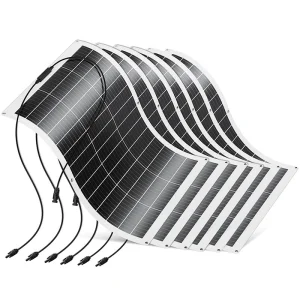
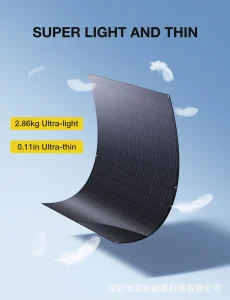
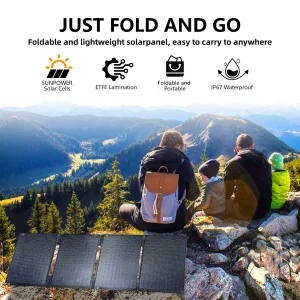
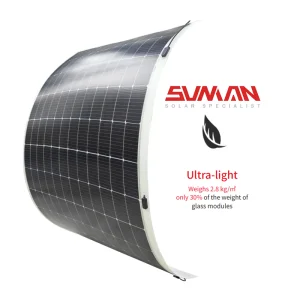
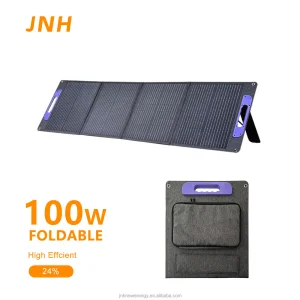
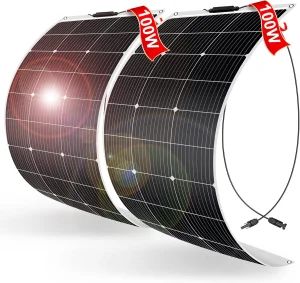
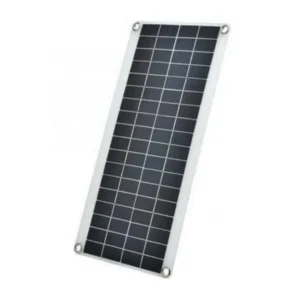
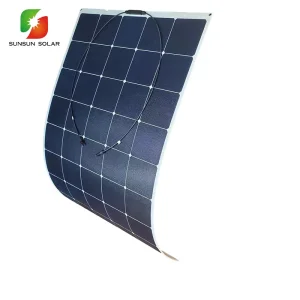
Leveraging advanced ETFE-coated flexible and foldable solar panels (ranging from 50W to 300W). These modules bend up to 30 degrees, making them perfect for curvature surfaces such as RV roofs, marine yacht decks, camping gears, and rapid military/humanitarian transit shelters.
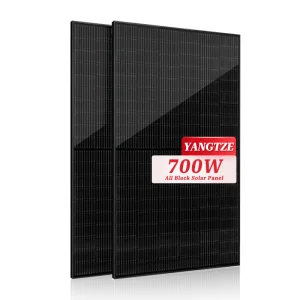
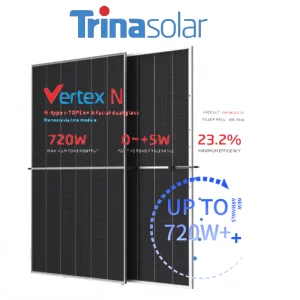
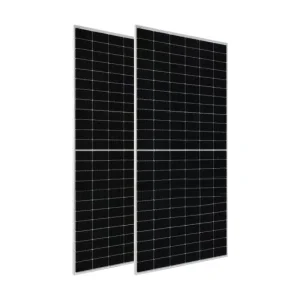
Integrating high-power monocrystalline black frame modules (up to 720W) directly into building facades and commercial warehouses. This maximizes energy yield per square meter, drastically lowering operational costs for modern urban architectures.
"The integration of semi-flexible ETFE PV structures with traditional grid-tied architectures enables a rapid-deployment energy strategy, allowing critical infrastructure to achieve power autonomy within 24 hours of installation."
Ningbo GAF Solar Co., Ltd. continues to drive the technological limits of silicon solar engineering. The transition from p-type PERC cells to n-type TOPCon (Tunnel Oxide Passivated Contact) configurations has unlocked conversion efficiencies above 23%. These advancements feature optimized low light sensitivity, minimal LID (Light Induced Degradation), and a superior temperature coefficient of -0.30%/°C, ensuring optimal performance in hot equatorial regions.
Simultaneously, our flexible PV lineup adopts specialized ETFE (Ethylene Tetrafluoroethylene) encapsulation. Unlike standard cheap PET films, ETFE provides over 95% light transmission, self-cleaning surface properties (dust slides off during rainfall), and extreme resistance to UV radiation and chemical corrosion. Furthermore, our 9BB (9 Busbar) pattern optimizes grid current transport paths, decreasing resistance losses and keeping heat generation to a minimum, preventing localized micro-cracks from compromising module longevity.
Replacement of heavy glass panels with multi-layer organic polymers to achieve an ultra-light layout (less than 2.5kg per module) for off-grid mobility.
Shifting standard residential systems to N-type passivated contacts, maximizing power output under diffuse and indirect sunlight conditions.
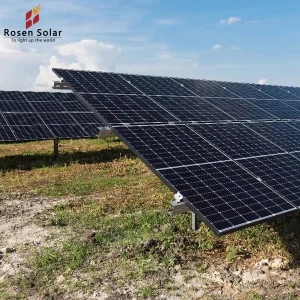
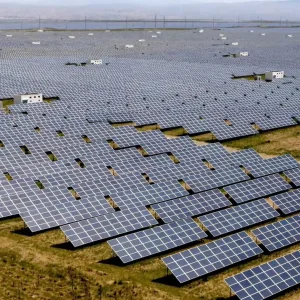
Capturing ground albedo light on the rear side of the panel, enhancing total power yield by up to 25% for utility-scale solar farms.
Integrating cloud monitoring nodes directly on individual modules, enabling real-time remote telemetry for large-scale distributed sites.
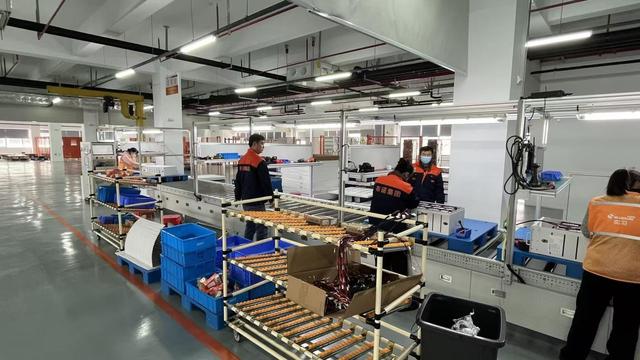
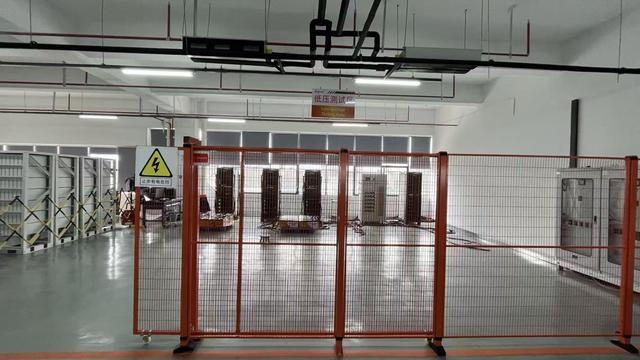
Based in the industrial port city of Ningbo, China, Ningbo GAF Solar Co., Ltd. operates state-of-the-art production lines that combine high-precision automation with stringent quality control protocols. Our manufacturing facilities are designed to handle complex OEM/ODM projects, ensuring consistent execution across every single production run.
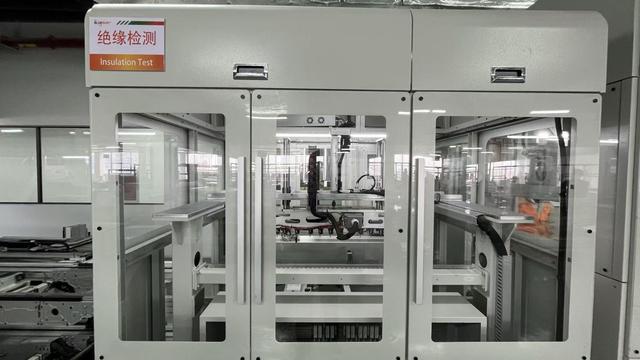
Every monocrystalline, bifacial, or flexible module undergoes detailed Electroluminescence (EL) double-inspection. This scanning process identifies micro-fractures, cell gaps, and internal connection anomalies invisible to the human eye. By maintaining a cleanroom lamination environment, controlling temperature profiles, and utilizing high-grade EVA and POE materials, GAF Solar prevents issues like PID (Potential Induced Degradation) and delamination over decades of operation.
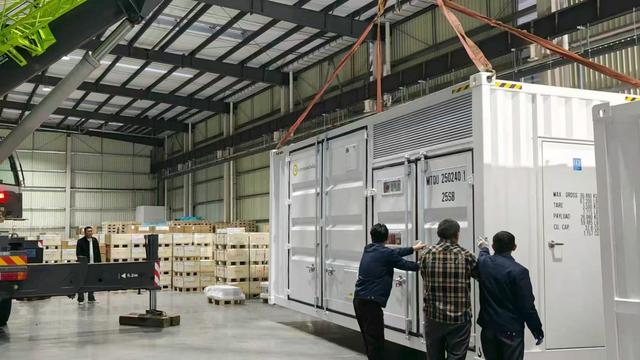
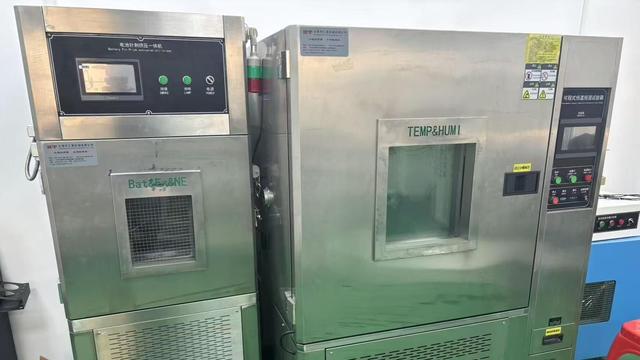
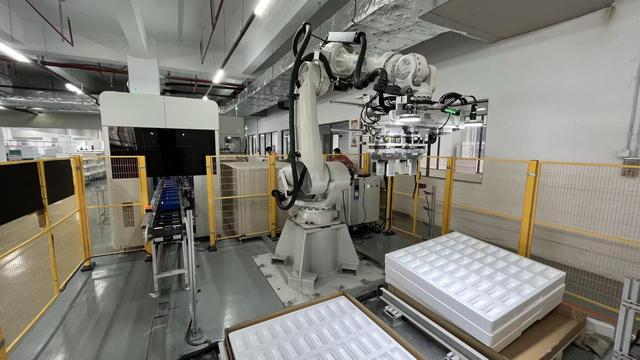
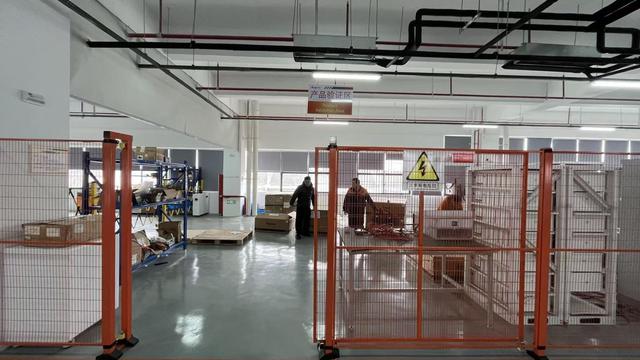
Our R&D division works closely with engineering partners to adapt mechanical designs to diverse local load requirements. Whether reinforcing the frame alloy thickness to withstand snow loads in Northern Europe, or optimizing the structural flexibility of thin-film panels for marine installations, our custom design solutions are engineered for real-world reliability.
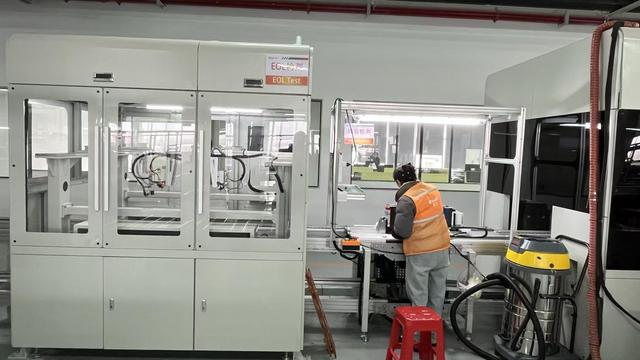
To ensure smooth logistics and lower import barriers, GAF Solar modules comply with key international standards including CE, TUV, IEC 61215, and IEC 61730. Our logistics network handles container shipping to ports across North America, Europe, Southeast Asia, the Middle East, Africa, and Latin America. We support our customers through every step, from initial design review and factory-level inspection to clearing custom protocols.
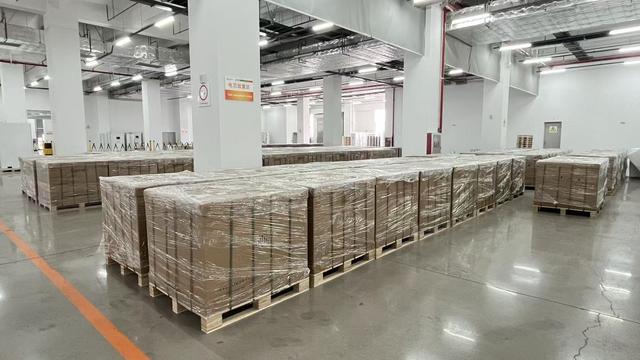
Designed for larger installations, these high-power modules and systems deliver the performance and durability required for demanding commercial and industrial deployments.
Gain deeper technical insights into the installation, selection, and customization of solar systems for global outreach projects.
The decision is based on load-bearing limits, mobility requirements, and physical mounting surfaces. Rigid glass modules are preferred for fixed microgrids and flat, sturdy roof arrays due to their structural durability. Flexible modules (using advanced ETFE coatings) are selected when weight limits are restricted (such as on thin sheet metal roofings or canvas structures) or when panels must conform to curved profiles like yachts, caravans, and temporary rescue shelters.
N-type TOPCon (Tunnel Oxide Passivated Contact) architecture features a low temperature coefficient of around -0.30%/°C, compared to -0.38%/°C for older P-type modules. This allows TOPCon panels to maintain high voltage and conversion efficiency even as temperatures rise. Additionally, passivated contact designs reduce internal recombination losses, improving output in environments with high levels of indirect, diffuse light.
Our OEM and ODM capabilities include adapting dimensions, modifying junction box layouts, adjusting cable lengths, configuring busbar counts (such as 9BB or 16BB configurations), and customizing cell sorting levels. We also develop complete balance-of-system kits, matching modules with specified hybrid inverters, racking systems, and energy storage batteries to simplify field installations.
To prevent corrosion from salt and moisture, we utilize high-grade anodized aluminum frames, IP68 rated junction boxes filled with protective potting silicone, and specialized EVA or POE encapsulation films. Our marine and flexible panels also feature ETFE outer layers that resist salt spray and ammonia exposure, passing rigorous salt mist corrosion testing in accordance with IEC 61701 standards.
Bifacial modules capture light on both sides. The rear side absorbs reflected light from the ground, known as albedo. Depending on the ground surface—such as white gravel, desert sand, or concrete—this design can yield an additional 10% to 25% in power generation compared to conventional mono-facial modules. This setup is highly effective for open-field installations, flat commercial rooftops, and solar tracking systems.
 GAF Solar