Engineered to satisfy rigorous international compliance codes and maximize ROI for global project developers and capital providers.
In the transition toward a low-carbon global economy, solar project financing acts as the central mechanism enabling utility-scale and commercial & industrial (C&I) solar deployments. The feasibility of multi-megawatt PV installations is governed by their "bankability" status. Bankability represents the willingness of financial institutions—including development banks, commercial lenders, and private equity funds—to provide debt capital under favorable amortization structures based on the reliability of the system components and the stability of projected cash flows.
Historically, commercial clean energy markets depended heavily on governmental subsidies and feed-in tariffs (FiTs). Today, the market has shifted toward competitive Power Purchase Agreements (PPAs) and merchant-risk market integration. In this environment, the Levelized Cost of Energy (LCOE) must be minimized. System efficiency directly influences LCOE, placing the focus of global financiers on the technical specifications and origin of the photovoltaic components. Leading Chinese exporters are crucial to this ecosystem, acting not just as component suppliers but as key drivers of project finance viability by providing long-term reliability and bankable asset guarantees.
Lenders perform due diligence before releasing capital. Engineering firms (Independent Engineers) analyze the manufacturer's Bill of Materials (BOM) to verify the use of high-quality encapsulate sheets, backsheets, junction boxes, and silicon cells. If a supplier cannot prove trace reliability of these sub-components, financing costs rise through high interest rates or increased equity requirements. Direct sourcing from recognized export factories ensures transparency, mitigating structural project risks.
Ningbo GAF Solar Co., Ltd. is a specialized manufacturer of monocrystalline, bifacial, and high-efficiency PV modules, delivering reliable solar energy solutions for residential, commercial, industrial, and utility-scale installations globally. With a focus on photovoltaic innovation, the company produces advanced products designed to optimize energy generation, module efficiency, and long-term reliability.
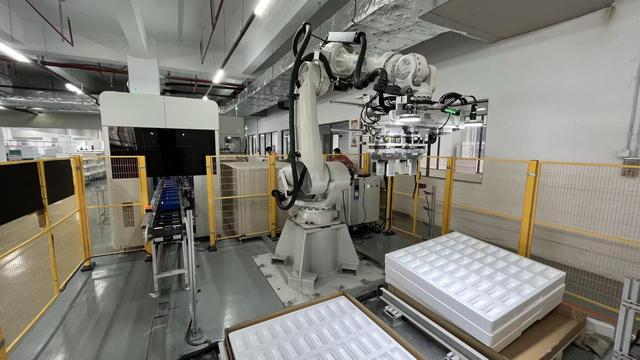
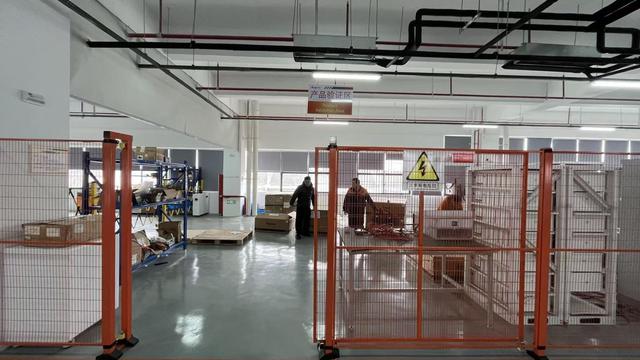
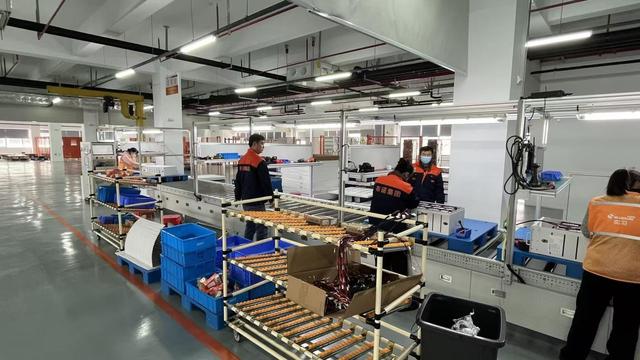
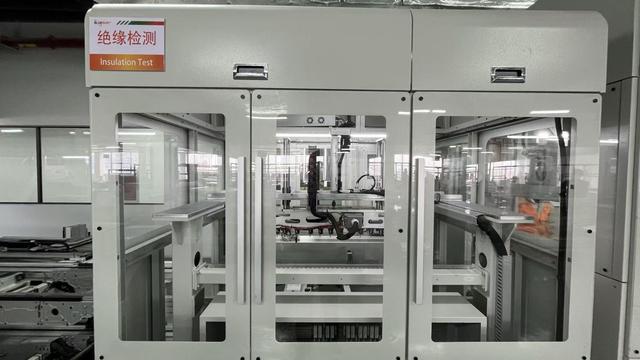
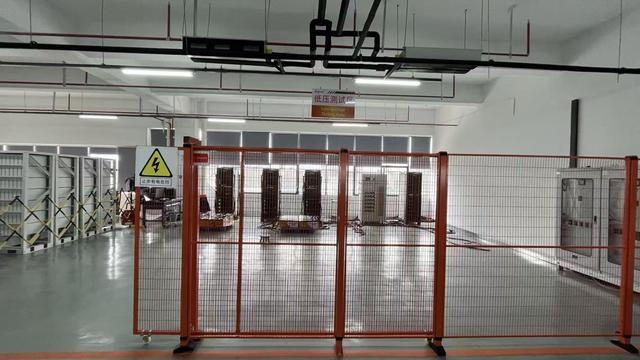
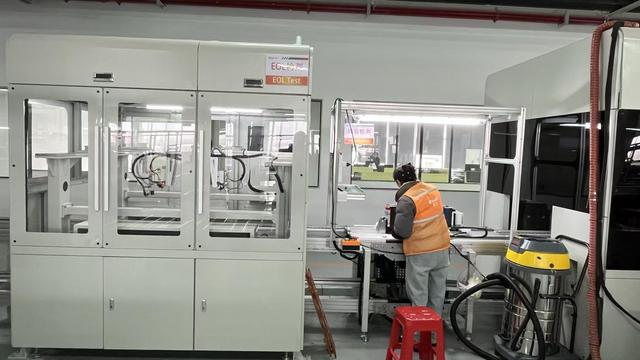
Located in Ningbo, China, the company operates modern production facilities featuring automated assembly lines and strict quality control processes. GAF Solar focuses on the development of monocrystalline panels, bifacial modules, rooftop PV solutions, and utility-scale solar projects. This manufacturing infrastructure enables the production of modules that maintain high power output, weather durability, and long operational lifespans under varied environmental conditions.
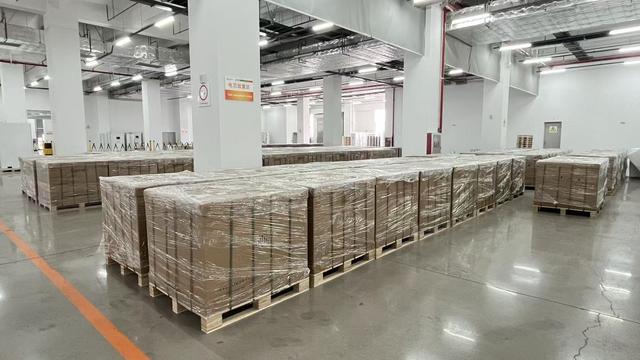
In addition to manufacturing, GAF Solar provides OEM and ODM services to support distributors, EPC contractors, and project developers. The company offers customized designs, engineering support, and logistics management from production through to delivery and after-sales service. Serving markets in North America, Europe, Southeast Asia, the Middle East, Africa, and Latin America, Ningbo GAF Solar Co., Ltd. focuses on quality, compliance, and support to facilitate clean energy transitions worldwide.
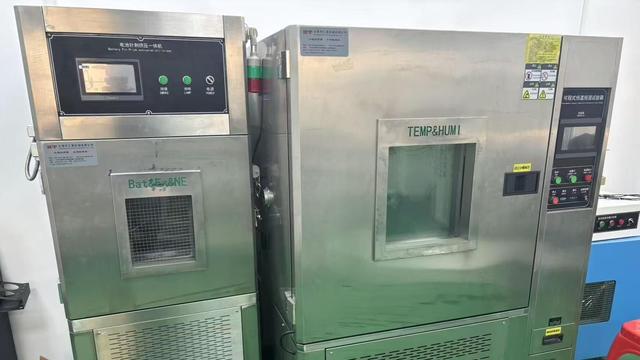
GAF Solar's manufacturing lines utilize automated robotics, laser dicing, and multi-busbar (MBB) positioning systems. Quality control is integrated into every step of the process. Double Electroluminescence (EL) testing is conducted before and after lamination to identify micro-cracks and cell defects that could lead to hot spots or power loss over time. This rigorous quality control ensures that each batch is reliable and meet the standards required by international compliance agencies and project financiers.
The photovoltaic industry continues to evolve as manufacturers transition from older technology platforms to higher-efficiency alternatives. To secure financing for long-term projects, developers must align their system design with emerging technologies that offer better energy yields, lower thermal coefficients, and reduced degradation over time.
| Technology Type | Standard Efficiency Range | Temperature Coefficient | Primary Application Area | Project Financing Value |
|---|---|---|---|---|
| P-Type PERC | 20.5% - 21.8% | -0.35% / °C | Residential, Legacy Utility | Low CAPEX, standard bankability profile |
| N-Type TOPCon | 22.0% - 23.5% | -0.30% / °C | Commercial Rooftops, Large Utilities | Optimized LCOE, low annual degradation |
| Heterojunction (HJT) | 22.5% - 24.2% | -0.26% / °C | High-Temperature Zones, Rooftops | High energy yields in warm climates |
| Perovskite Tandem | 24.0% - 28.0%+ | Varies by structure | Aerospace, Specialty BIPV | Emerging tech, high future energy yield |
1. N-Type Silicon Technology: The market is transitioning from P-Type PERC to N-Type cell configurations, such as Tunnel Oxide Passivated Contact (TOPCon) and Heterojunction (HJT) technologies. N-type silicon offers minimal Light Induced Degradation (LID) and a lower temperature coefficient, which increases total energy yield over the system's operational lifetime.
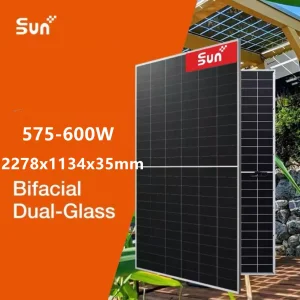
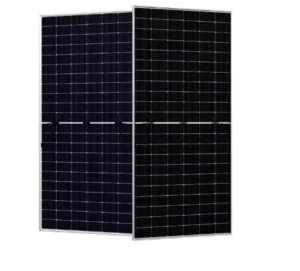
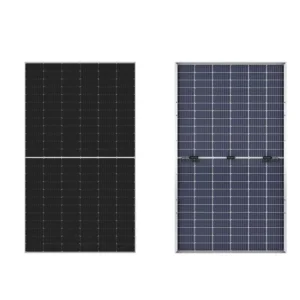
2. Bifaciality and Glass-Glass Architecture: Bifacial solar modules collect light from both the front and rear sides, increasing energy yield by up to 25% depending on the albedo of the surrounding surface. Dual-glass encapsulation provides physical protection against moisture ingress, micro-cracking, and potential-induced degradation (PID).
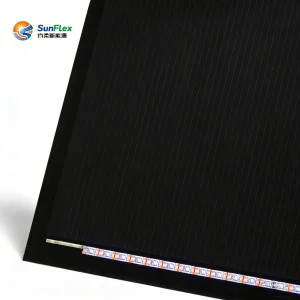
3. Building-Integrated Photovoltaics (BIPV): BIPV technologies replace traditional construction materials with power-generating components in roofs, facades, and glazing systems. This integration helps optimize space in urban environments, allowing developers to generate power directly from the building envelope.
Al-BSF and P-Type PERC established initial benchmarks for high-volume solar manufacturing and global project finance standards.
Introduction of mass-produced N-type modules featuring lower temperature coefficients, reduced degradation, and improved bifaciality.
Development of flexible thin-film perovskite cells and silicon-perovskite tandem modules to target cell efficiencies above 28%.
Widespread adoption of building-integrated photovoltaics combined with intelligent localized energy storage for self-sustaining urban structures.
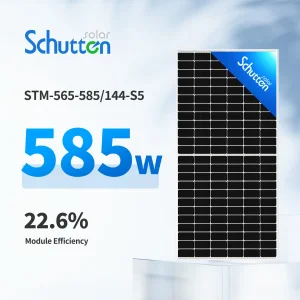
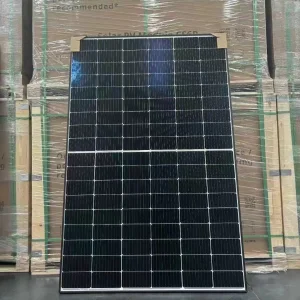
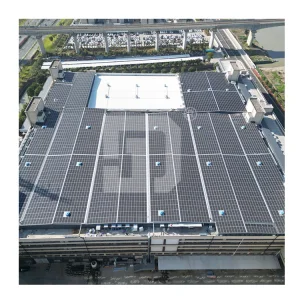
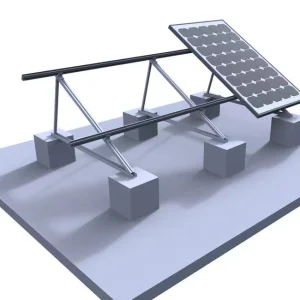
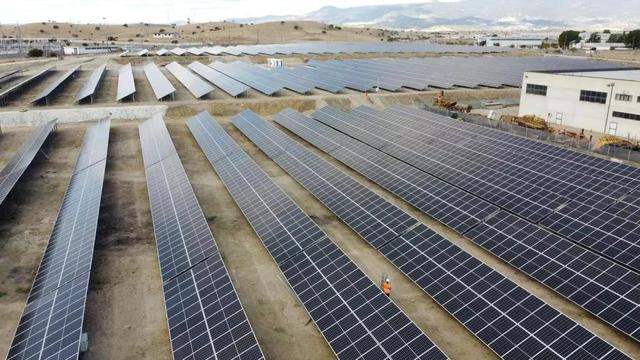
Large-scale solar parks developed by Independent Power Producers (IPPs) utilize high-power monocrystalline modules (such as 550W to 600W configurations) to optimize tracking systems and structural racking. Large-format modules reduce the total number of connections, cabling requirements, and racking structures, lowering Balance of System (BOS) costs. This reduction in upfront costs improves the financial model, helping developers secure competitive debt rates from investment banks.
For factory and office building rooftops, BIPV modules and high-efficiency dual-glass panels provide energy solutions that fit within structural load limits. Using premium glass-glass panels protects against degradation in high-humidity or industrial environments, maintaining system performance and protecting capital investments over the life of the PPA.
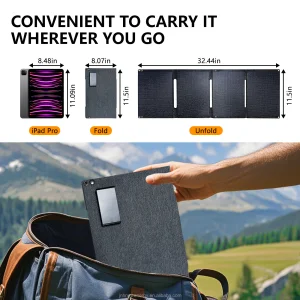
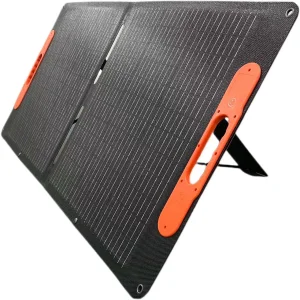
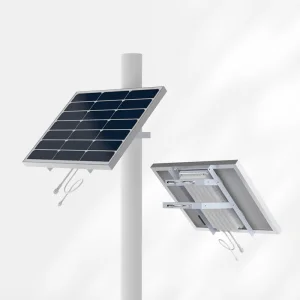
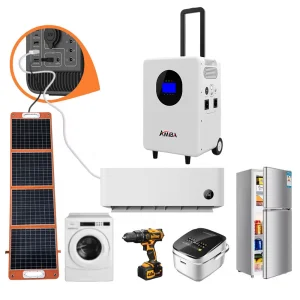
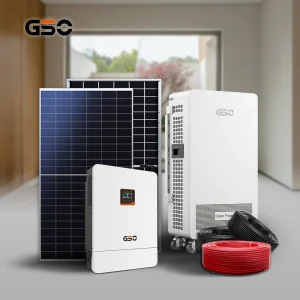
In regions with limited grid access, pre-configured microgrid systems (1KW to 5KW kits with integrated lithium-ion batteries) provide decentralized energy. These systems support rural electrification, telecommunications infrastructure, and agricultural operations. Additionally, portable, foldable solar panels (ranging from 40W to 100W) provide mobile power for field operations, research equipment, and emergency services.
Addressing key technical, logistical, and financial questions for project developers, EPC contractors, and investment partners.
Bankability refers to a financier's willingness to fund a project using specific PV components. Lenders evaluate the manufacturer's financial health, manufacturing capacity, quality control systems (such as double EL testing and ISO certifications), and third-party reliability reports (e.g., PVEL/DNV GL). Using bankable modules ensures the project's long-term performance, protecting the capital provider's investment.
Bifacial solar modules generate power from both sides by capturing direct sunlight on the front and reflected light (albedo) from the ground on the rear. This design can increase energy yield by 5% to 25% depending on the surface albedo. This additional output improves the project's Internal Rate of Return (IRR) and Debt Service Coverage Ratio (DSCR), making it more attractive to financial institutions.
N-Type TOPCon technology offers higher cell efficiency (often exceeding 22.5%), a lower temperature coefficient (-0.30%/°C), and lower annual degradation rates (less than 0.4% per year after the first year). It also exhibits minimal Light Induced Degradation (LID) and Light and Elevated Temperature Induced Degradation (LeTID). These technical performance advantages result in higher lifetime power generation compared to standard P-type PERC panels.
Building-Integrated Photovoltaics (BIPV) serve as both structural building materials (such as roofing, facades, or glazing) and power generators. This dual function reduces material and labor costs, improves space efficiency in urban areas, and helps properties meet local building energy efficiency regulations. Generating power onsite also increases property value and lowers operational energy costs.
Utility-grade solar projects generally require a 12-to-15-year product workmanship warranty and a 25-to-30-year linear power performance warranty. The performance warranty typically guarantees that the modules will maintain at least 80% to 87.4% of their original rated power output by year 25 or 30. Lenders often require these warranties to be backed by third-party insurance providers to mitigate manufacturer insolvency risk.
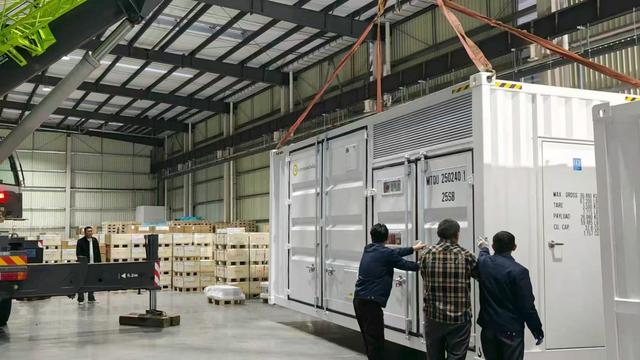
Logistical delays can disrupt construction timelines, leading to interest accumulation on construction loans and potential PPA penalties. Sourcing from manufacturers with regional distribution centers or established shipping partnerships ensures reliable delivery schedules. Proper packaging and international transport compliance also prevent shipping damage, such as cell micro-cracking, helping developers meet project startup deadlines.
Explore our full range of solar cells, off-grid home power systems, and portable charging solutions designed for residential, commercial, and utility use.
 GAF Solar