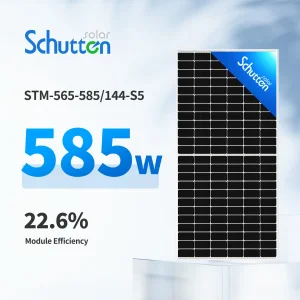
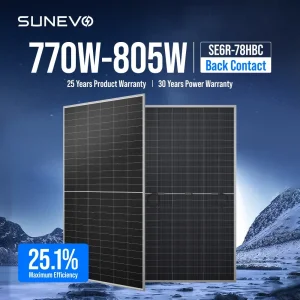
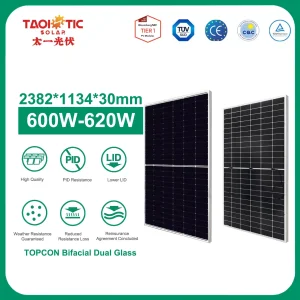
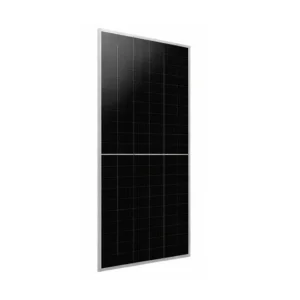
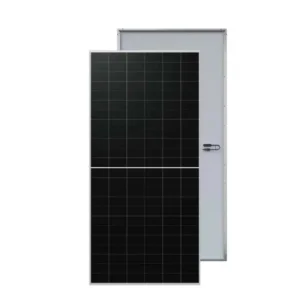
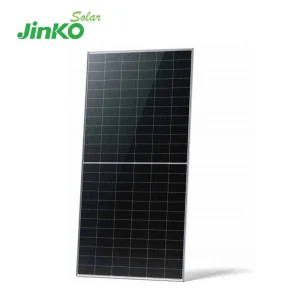
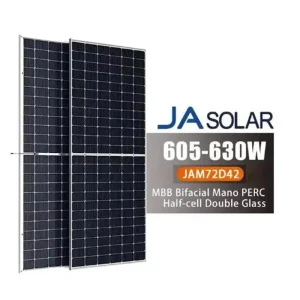
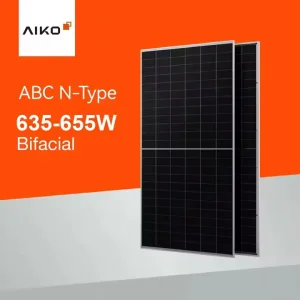
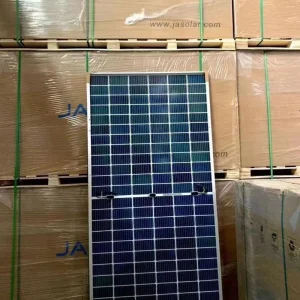
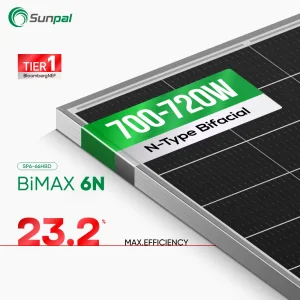
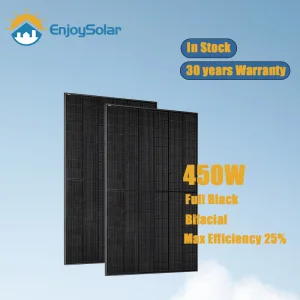
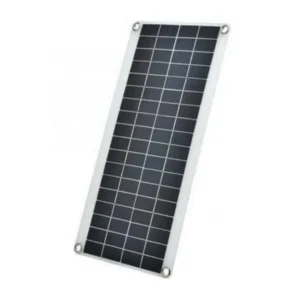
High-capacity solar panels specifically designed to maximize return under CA Net Billing Tariff (NEM 3.0).
Peak Cell Efficiency
Temp. Coeff Pmax
Bifacial Power Output Warranty
First Year Degradation
The Los Angeles commercial and industrial (C&I) sector is undergoing a massive shift towards structural electrification, fueled by strict municipal decarbonization targets (LA100), California Title 24 energy mandates, and shifting utility rates under SCE and LADWP. For procurement managers, EPC contractors, and commercial developers, navigating this market requires a balance of local environmental design criteria and direct factory procurement pipelines that ensure system cost optimization (LCOE).
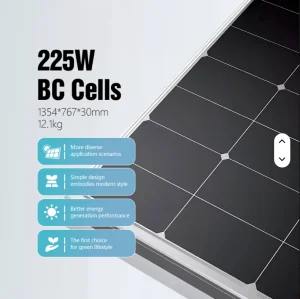
Southern California is one of the most proactive regulatory environments for clean energy in North America. The California Public Utilities Commission (CPUC) transition to the Net Billing Tariff (NEM 3.0) has fundamentally altered the economics of C&I solar. To ensure short payback periods, projects must prioritize high-efficiency technologies—specifically N-type Tunnel Oxide Passivated Contact (TOPCon) and Back Contact (BC) modules. By pairing these high-yield modules with commercial battery energy storage systems (BESS), businesses in Los Angeles can avoid high demand charges during peak SCE hours (4:00 PM to 9:00 PM).
Commercial installations in Los Angeles require modules that can withstand diverse and demanding microclimates. Inland locations, such as San Bernardino and Riverside, experience high ambient temperatures that degrade standard modules. This makes low temperature coefficients essential. Coastal projects near the Port of Los Angeles and Long Beach require marine-grade durability and resistance to salt-mist corrosion. GAF Solar address these challenges by providing modules with multi-busbar (MBB) configurations, anti-PID (Potential Induced Degradation) cells, and robust dual-glass encapsulations that stand up to coastal salinity and high industrial air pollution.
Selecting the right technology has a direct impact on the lifetime energy output of a commercial system. The table below outlines how N-Type TOPCon and BC technologies compare to traditional P-type PERC structures in commercial setups:
| Technology Parameter | P-Type PERC | N-Type TOPCon | N-Type BC (Back Contact) |
|---|---|---|---|
| Commercial Efficiency Range | 20.5% - 21.6% | 22.0% - 22.8% | 22.5% - 24.0% |
| Temperature Coefficient (Pmax) | -0.35% / °C | -0.30% / °C | -0.29% / °C |
| Bifaciality Factor | 70% ± 5% | 80% ± 5% | N/A or up to 65% |
| LID / LeTID Sensitivity | Moderate to High | Near Zero | Virtually Zero |
| Visual Aesthetics | Standard Grid Lines | Thin Silver Grid Lines | Pure All-Black Aesthetic |
High-efficiency monocrystalline and flexible panels optimized for commercial warehouses, high-rises, and industrial microgrids.
Ningbo GAF Solar Co., Ltd. is a professional Solar Panel Manufacturer | Monocrystalline, Bifacial & High Efficiency PV Modules dedicated to providing reliable solar energy solutions for residential, commercial, industrial, and utility-scale applications worldwide. With a strong commitment to renewable energy innovation, the company delivers advanced photovoltaic products designed to maximize energy generation, efficiency, and long-term performance.
Based in Ningbo, China, GAF Solar operates modern manufacturing facilities equipped with advanced production technologies, automated assembly lines, and comprehensive quality control systems. The company specializes in the development and production of monocrystalline solar panels, bifacial solar modules, high-efficiency photovoltaic panels, rooftop solar solutions, commercial solar systems, industrial solar installations, and customized PV energy projects.
By purchasing directly from Ningbo, LA developers can access advanced cell technologies at a competitive price point, bypassing the markups of regional distributors. GAF Solar controls the manufacturing process from silicon wafer selection through cell treatment, module assembly, and quality testing, ensuring consistency and performance for commercial-scale systems.
Our production facilities utilize automated stringer systems, high-accuracy laminators, and EL (electroluminescence) testing systems. These tools detect micro-cracks and potential cell mismatches, ensuring every module meets global industry standards.
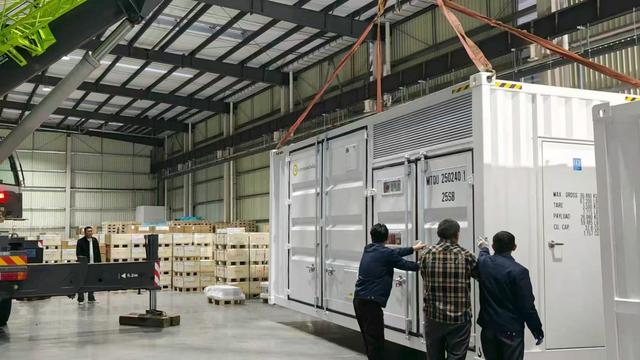
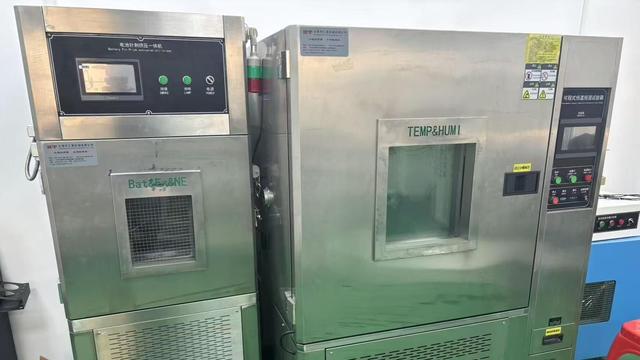
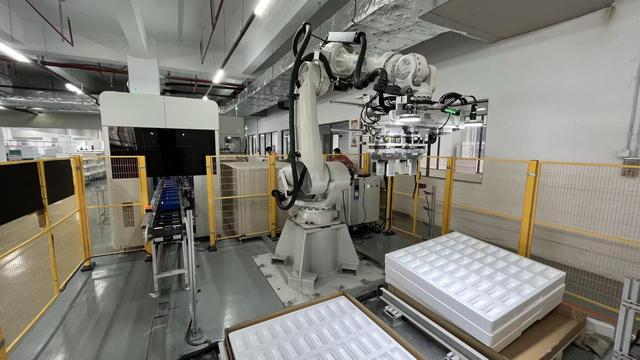
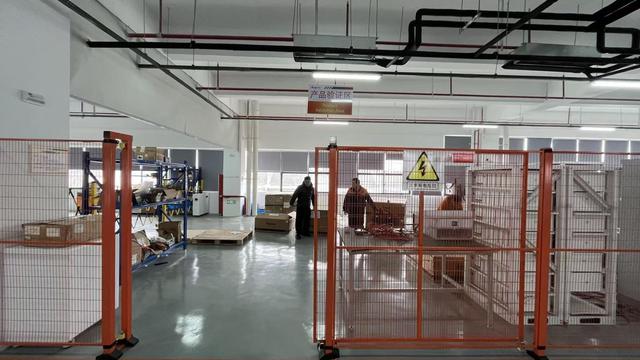
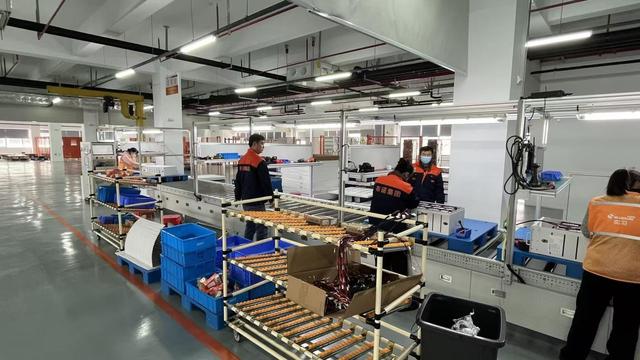
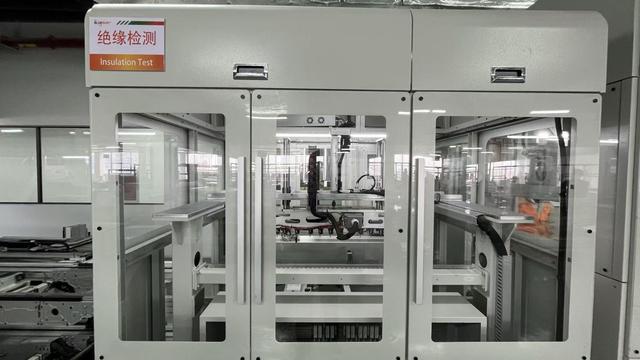
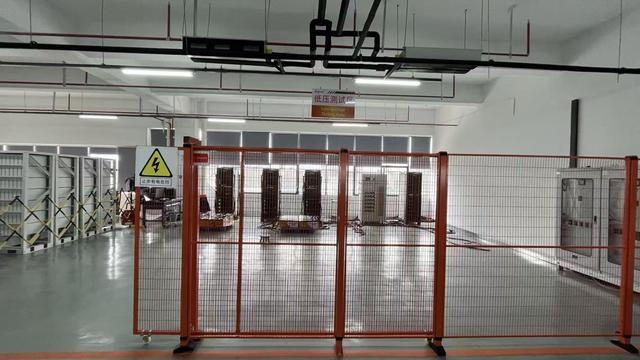
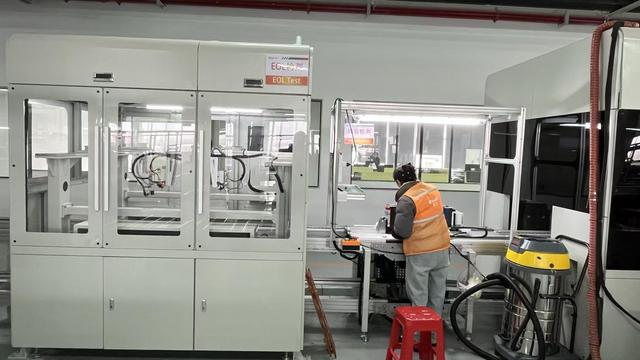
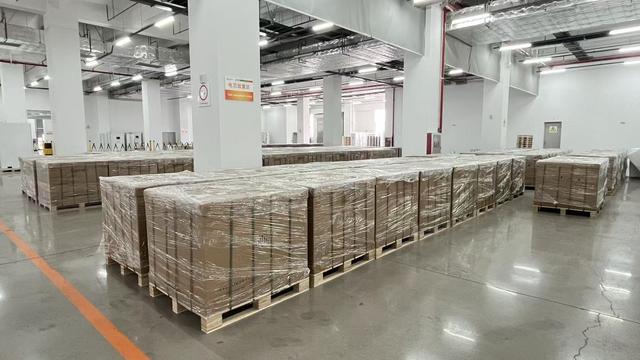
GAF Solar focuses on technological innovation and product reliability. By utilizing premium-grade solar cells, durable materials, and precision manufacturing processes, the company produces solar modules capable of delivering excellent power output, superior weather resistance, and long operational lifespans. Every product undergoes rigorous testing and quality inspections to ensure compliance with international standards and the demanding requirements of global energy markets.
In addition to manufacturing high-performance solar panels, GAF Solar offers comprehensive OEM and ODM services, supporting distributors, EPC contractors, solar developers, energy solution providers, and private-label brands. The company provides flexible customization options, professional technical support, and efficient project coordination from design and production to shipment and after-sales service.
Serving customers across North America, Europe, Southeast Asia, the Middle East, Africa, and Latin America, Ningbo GAF Solar Co., Ltd. has established a reputation for quality, reliability, and customer-focused service. Through continuous innovation and sustainable manufacturing practices, the company remains committed to accelerating the global transition toward clean, renewable energy and creating long-term value for partners around the world.
Decarbonizing industrial infrastructure requires custom panel applications tailored to specific site constraints and roof loading limits. GAF Solar modules are optimized for several key configurations:
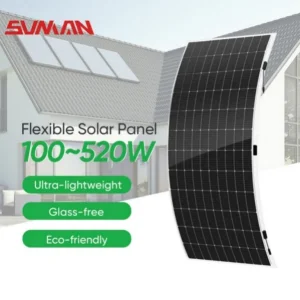
Many industrial warehouses in Los Angeles have load constraints that prevent the use of standard dual-glass modules. Our lightweight Flexible Mono Crystalline Modules (430W) mount directly to roof membranes without structural reinforcement.
Using dual-glass bifacial panels in carport structures creates clean power generation on both sides. Reflected light from asphalt or parking canopies helps increase energy yield by up to 25%.
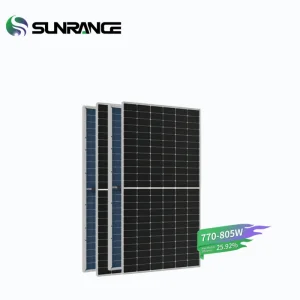
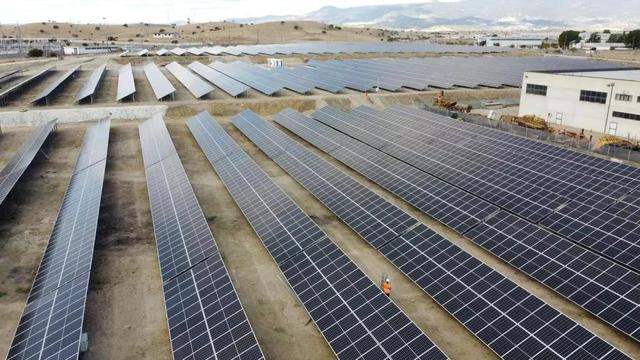
For large, ground-mounted systems and industrial microgrids in desert regions, our 700W+ high-power bifacial modules deliver high power density and reliable performance in warm climates.
Review our comprehensive catalog of commercial and industrial photovoltaic modules, featuring advanced cell configurations and warranties.
Technical guidance on utility interconnection, supply chain logistics, and technology selection for Los Angeles commercial systems.
 GAF Solar