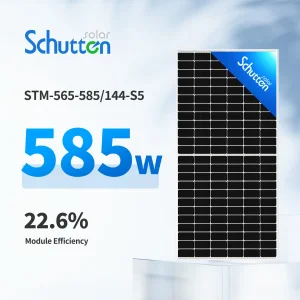
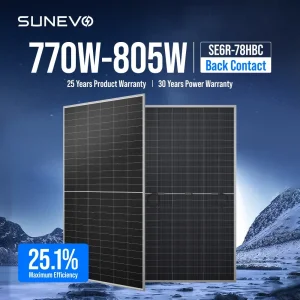
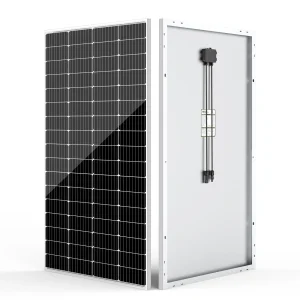
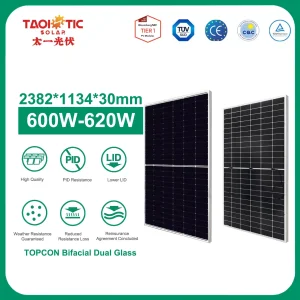
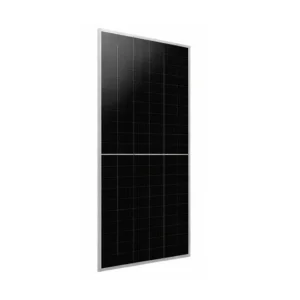
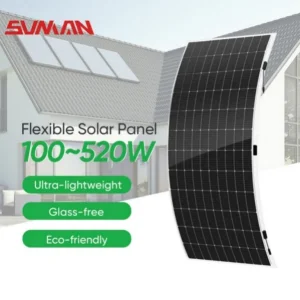
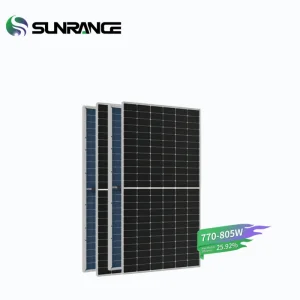
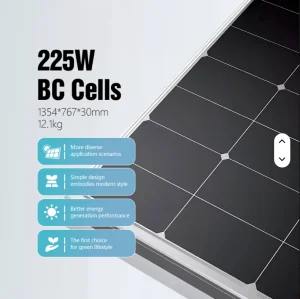
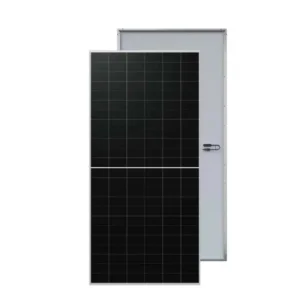
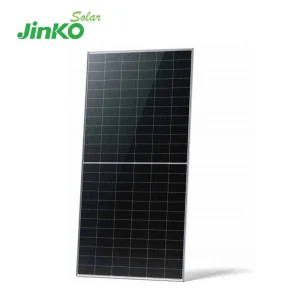
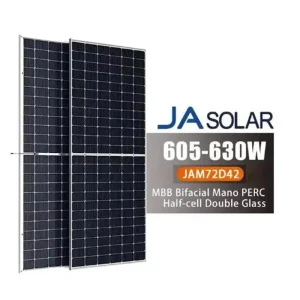
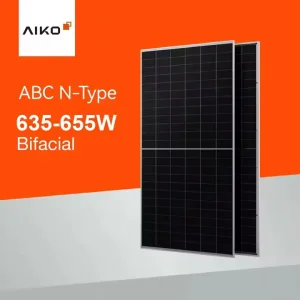
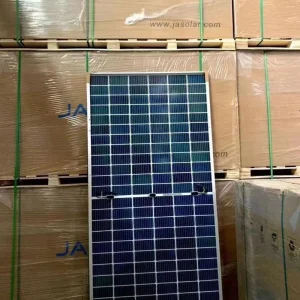
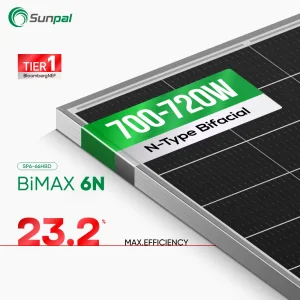
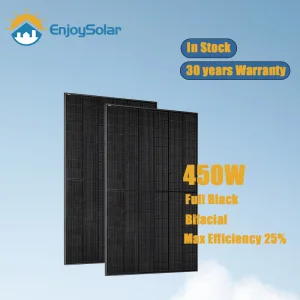
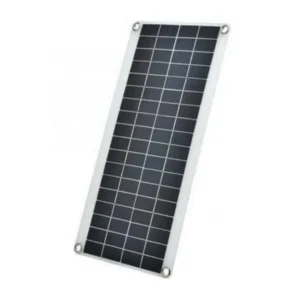
Premium monocrystalline and bifacial solar panel components selected to withstand the challenging climatic conditions of the Red River Delta.
The Hanoi metropolitan area—together with major neighboring industrial hubs such as Bac Ninh, Hung Yen, Vinh Phuc, and Hai Phong—constitutes the manufacturing engine of Northern Vietnam. However, this high concentration of electronics assembly, heavy automotive components, and textile manufacturing places immense stress on the Vietnam Electricity (EVN) grid. Power reliability is critical to avoiding millions of dollars in operational downtime.
With Vietnam's pledge to reach Net-Zero carbon emissions by 2050 and the implementation of stricter environmental mandates, commercial enterprises in Hanoi are rapidly turning to rooftop solar. Northern Vietnam’s solar profile is distinct: while it enjoys excellent solar irradiance during the hot summer months, the winter season features persistent cloud cover, high humidity, and salt-mist corrosion transport from the Gulf of Tonkin.
To deliver a reliable Return on Investment (ROI), commercial solar systems in Hanoi must use advanced PV technology characterized by outstanding low-light performance, a low temperature coefficient, and superior degradation resistance.
Average daily peak sun hours during the key summer production months in Northern Vietnam.
Average reduction in factory electricity costs by optimizing roof space with high-density PV arrays.
Maximized power generation in Hanoi's hot summers where roof temperatures exceed 60°C.
Long-term structural and electrical performance assurance backed by international reinsurance.
From flexible lightweight modules for load-constrained steel roofs to extreme-yield TOPCon platforms for maximum output.
Engineering excellence from our automated production lines in Ningbo, China, delivering global compliance and high performance directly to your site.
Ningbo GAF Solar Co., Ltd. is a tier-class PV developer and manufacturer specializing in high-performance monocrystalline, bifacial, and next-generation TOPCon & Back Contact (BC) modules. We support solar distributors, engineering procurement contractors (EPC), energy developers, and private brands worldwide, with dedicated commercial solutions tailored for fast-growing regions like Hanoi.
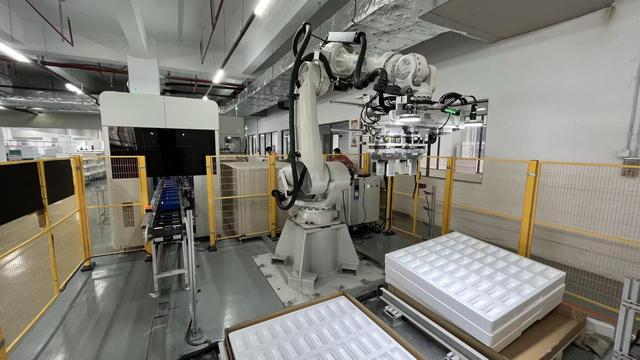
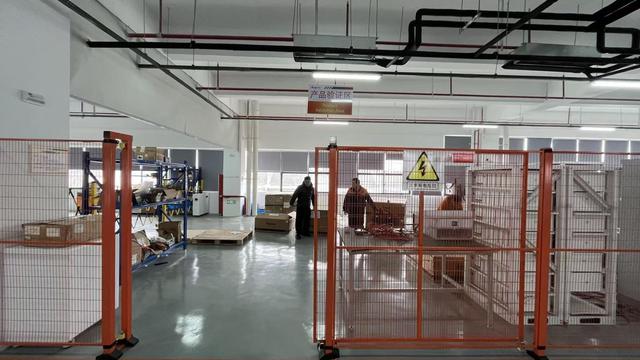
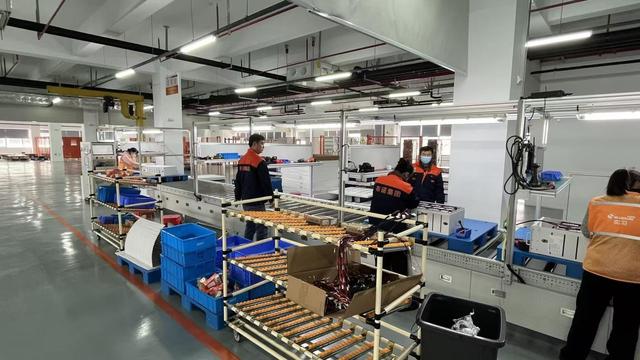
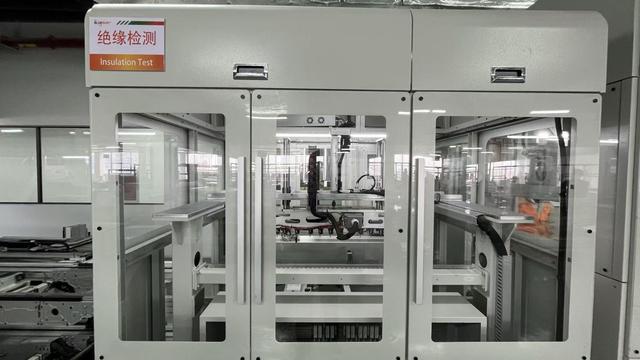
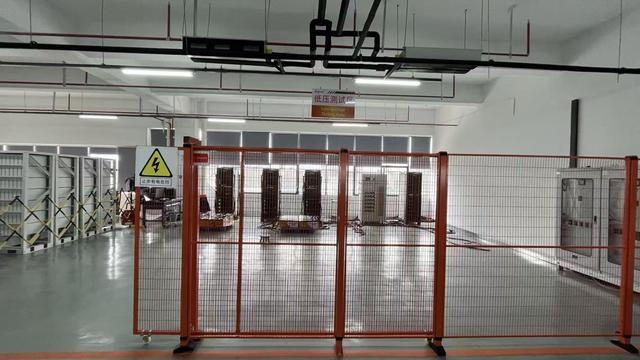
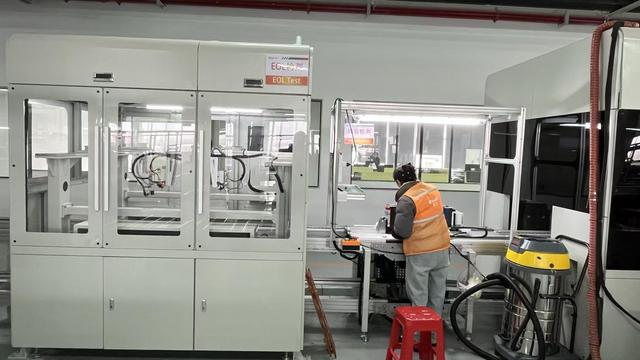
From our modern manufacturing base in Ningbo, China, we operate fully automated robotic assembly lines that guarantee precise stringing, double EL (electroluminescence) testing, and automated lamination. Our strict engineering practices ensure that every cell and module achieves maximum weatherproofing, physical load resilience, and optimal power yield.
Recognizing the regional climate risks of Hanoi—specifically seasonal typhoons, prolonged humidity, and temperature-induced power losses—we formulate our bill-of-materials (BOM) with premium EVA/POE encapsulation sheets, corrosion-resistant anodized aluminum alloy frames, and certified anti-PID solar cells.
Whether you require standard high-density monocrystalline arrays or ultra-high wattage double-glass bifacial modules to capture albedo reflectance on light-colored industrial metal roofs, GAF Solar provides end-to-end support, including:
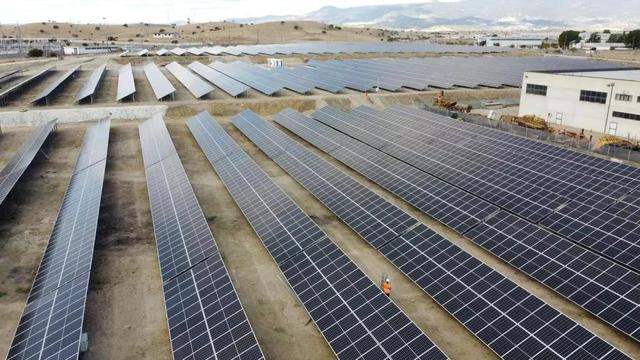
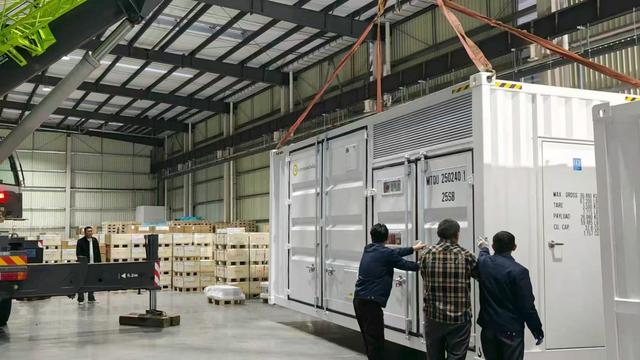
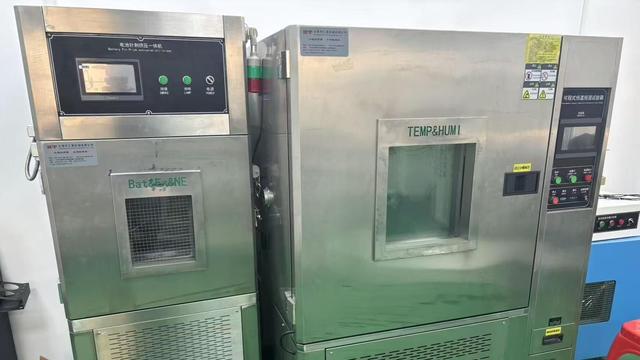
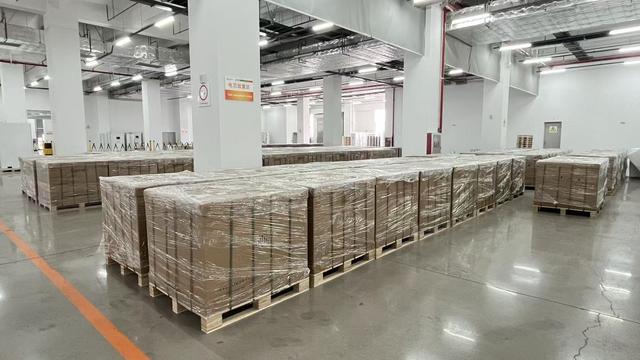
Visual documentation of GAF Solar's advanced production floor, strict testing chambers, and international logistics operations.
Standard P-type PERC modules are rapidly being replaced by N-type architectures because N-type cells yield substantial technical advantages in northern Vietnam's climate conditions. GAF Solar focuses on three advanced technologies: Tunnel Oxide Passivated Contact (TOPCon), Heterojunction (HJT), and Back Contact (BC).
These technologies address specific environmental challenges in Hanoi:
1. Low Degradation: N-type wafers are doped with phosphorus, eliminating the boron-oxygen complexes that cause Light-Induced Degradation (LID) in P-type modules. This ensures stable power output over a 30-year operational life.
2. Low-Light Performance: Hanoi experiences an average of 4-5 months of heavy cloud cover, haze, and rain during winter. GAF Solar's N-type cells feature optimized spectral responses that convert weak diffuse light into usable electricity more efficiently than standard silicon modules.
3. Low Temperature Coefficient: Hanoi's summer air temperatures regularly exceed 38°C, pushing rooftop temperatures past 65°C. PERC panels lose significant power under these conditions, whereas GAF TOPCon modules feature a low temperature coefficient of -0.30%/°C, preserving generation efficiency.
| Cell Parameter | P-Type PERC | N-Type TOPCon | N-Type BC | |
|---|---|---|---|---|
| Module Efficiency | 20.5% - 21.3% | 22.0% - 22.8% | 22.8% - 23.5% | 23.0% - 24.2% |
| Temp. Coefficient | -0.35% / °C | -0.30% / °C | -0.26% / °C | -0.29% / °C |
| Bifaciality Factor | 70% ± 5% | 80% ± 5% | 85% ± 5% | 65% ± 5% (Single-sided focus) |
| First-Year Degradation | ≤ 2.0% | ≤ 1.0% | ≤ 1.0% | ≤ 1.0% |
| Annual Degradation | ≤ 0.55% | ≤ 0.40% | ≤ 0.37% | ≤ 0.35% |
All GAF Solar panels supplied to Hanoi comply with Vietnamese and international standards:
Navigating grid-connection policies is essential for successful commercial solar installations in Vietnam. The regulatory landscape has shifted significantly with the introduction of the new Direct Power Purchase Agreement (DPPA) framework (Decree 80/2024/ND-CP), enacted in July 2024.
Under the DPPA decree, large energy users in industrial zones can procure green energy directly from private renewable generators via two models:
1. Physical Grid Connection: Generators and buyers connect directly via a dedicated line. This bypasses EVN grid limits, enabling 100% green supply for industrial sites.
2. Virtual/Financial DPPA: Energy is fed into the national grid and transacted through market-clearing mechanisms, simplifying procurement for distributed offices.
GAF Solar provides full technical documentation—including single-line diagrams, factory test certificates, and flash reports—to streamline the EVN application and technical review process, ensuring prompt grid-connection and commissioning.
Browse our complete list of monocrystalline, half-cut, and bifacial modules engineered for long-term output in industrial and utility-scale projects.
Northern Vietnam is prone to intense weather events, including seasonal monsoons and severe typhoons. Rooftop solar systems must be designed to withstand high winds and heavy rain.
To ensure structural integrity and protect your investment during major storms (such as Typhoon Yagi), GAF Solar recommends the following engineering standards for installations in the Hanoi area:
GAF Solar's engineering support team assists developers and contractors across Hanoi by providing CAD layouts, wind loading calculations based on regional building codes, and optimized cable routing configurations.
Request wind load tests, mechanical stress reports, and AutoCAD structural files.
Download DatasheetsKey information regarding logistics, grid connections, economic returns, and regional environmental resilience.
Contact our engineering and procurement team for custom commercial quotes, wind load reports, and regional shipping rates.
Send Inquiry Now GAF Solar