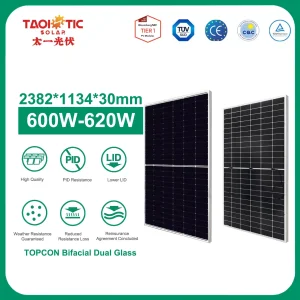
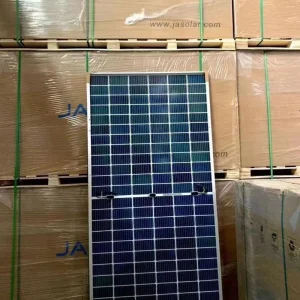
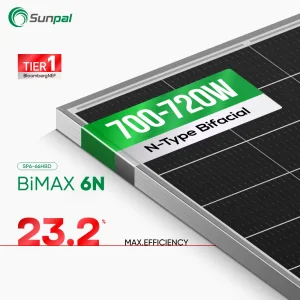
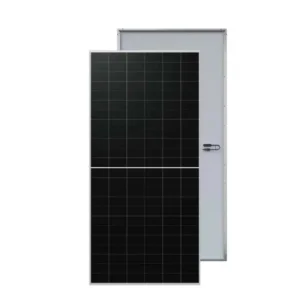
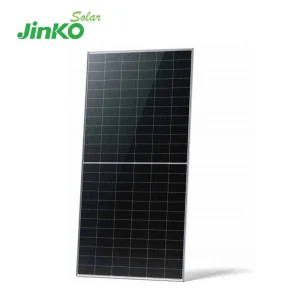
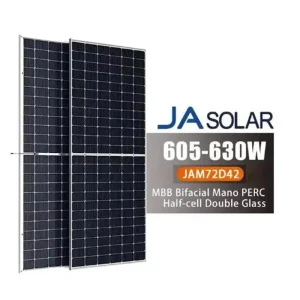
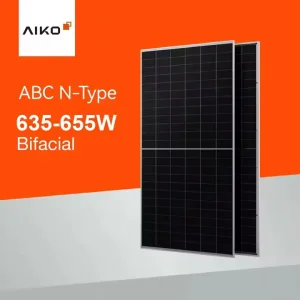
High-performance tier-1 solar panel specifications tailored to optimize Local Law 97 metrics and cold-climate albedo performance.
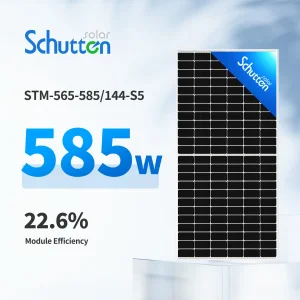
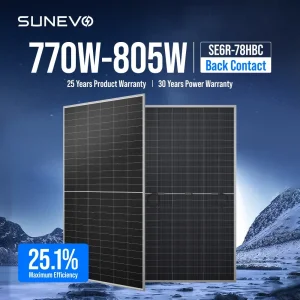
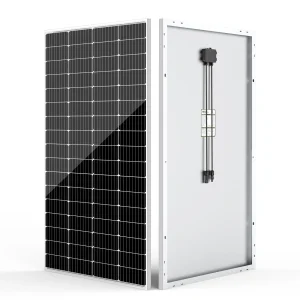
New York is undergoing one of the most comprehensive grid transitions in the Western hemisphere. Driven by the Climate Leadership and Community Protection Act (CLCPA), which mandates 70% renewable generation by 2030 and a zero-emission electric grid by 2040, the regulatory pressure on C&I owners has surged.
Commercial buildings in New York City represent a significant share of carbon emissions, prompting the implementation of Local Law 97 (LL97). Property owners face stiff financial penalties beginning in 2024 if they fail to meet carbon limits. Integrating high-performance photovoltaic (PV) assets directly offsets operational emissions, reducing exposure to compliance fees while building localized energy independence.
New York has transitioned from net metering to the VDER stack. This compensation structure pays developers based on when and where clean power is fed back to the grid. To maximize VDER payouts, C&I PV systems must utilize high-efficiency components—such as bifacial modules and modern tracking hardware—to capture early-morning and late-afternoon power generation peaks, yielding maximum value per kilowatt-hour generated.
Peak Cell Efficiency
Linear Power Warranty
Front Snow Load Resistance
EL Triple Inspection
Optimizing PV system architectures for the unique structural, environmental, and geographic conditions of NY State.
Flat roofs in the Outer Boroughs and Long Island require lightweight, high-density modules to stay within structural load limits. Utilizing TOPCon high-wattage panels maximizes the yield on limited roof areas, helping warehouse operators achieve carbon targets while leaving space for HVAC, safety pathways, and battery storage.
In agricultural corridors like the Hudson Valley and Finger Lakes, co-locating solar arrays with farming (agrivoltaics) is a key trend. Bifacial double-glass panels are optimal here, capturing reflected light from grass, soil, and snow below, which boosts rear-side generation by up to 25% while maintaining crop integration.
Northern and Western NY experience intense winter weather. Commercial arrays must handle heavy snow loads without risking structural cracking or micro-fractures in the silicon cells. Modules built with dual-glass reinforcement and heavy-duty anodized aluminum frames provide the physical strength required for these conditions.
How current and emerging photovoltaic innovations drive down the Levelized Cost of Energy (LCOE) for commercial operators.
The commercial solar market has evolved beyond traditional P-type PERC technology. Current deployments focus on N-type architectures, which offer several distinct advantages:
Over a 30-year operational life, solar modules face degradation from environmental factors. Selecting panels engineered to resist these effects preserves asset value:
N-type wafers are doped with phosphorus instead of boron, eliminating boron-oxygen complexes and preventing initial power drop-off upon sun exposure.
Controlled thermal processing minimizes structural defects that can trigger degradation under high operating temperatures.
How our integrated manufacturing hub in Ningbo, China ensures tier-1 quality control, cost efficiency, and reliable global delivery.
Ningbo GAF Solar Co., Ltd. is an established solar manufacturer specializing in monocrystalline, bifacial, and high-efficiency PV modules for residential, commercial, industrial, and utility-scale projects globally.
Operating out of Ningbo, China, the company runs modern manufacturing facilities featuring automated assembly lines and strict quality control standards. This central location in Ningbo offers deep integration with primary solar material suppliers (polysilicon, wafers, glass, frames) and direct access to major international shipping routes. This proximity minimizes logistical bottlenecks and helps stabilize pricing for overseas developers.
GAF Solar specializes in monocrystalline panels, bifacial modules, high-efficiency commercial solar projects, and tailored energy installations. Through rigorous testing and quality inspections, every module is designed to meet demanding international standards and performance requirements.
Beyond manufacturing standard modules, GAF Solar offers comprehensive OEM and ODM services. This enables EPC contractors, solar distributors, and project developers to request specific custom modifications, such as customized frame colors, specialized cable lengths, and custom module dimensions tailored for unique architectural specifications.
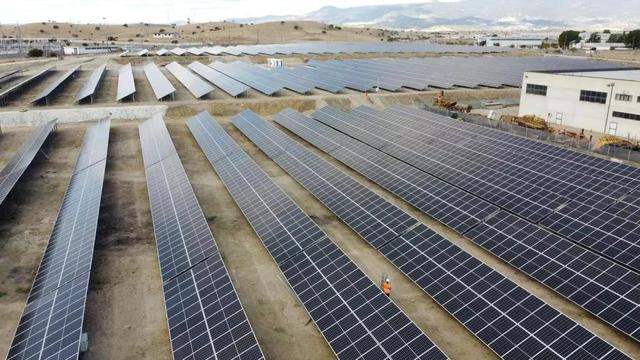
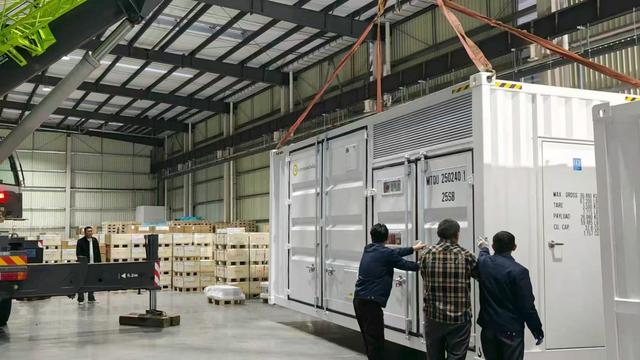
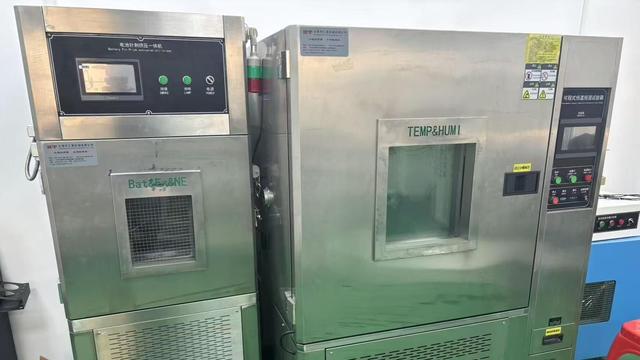
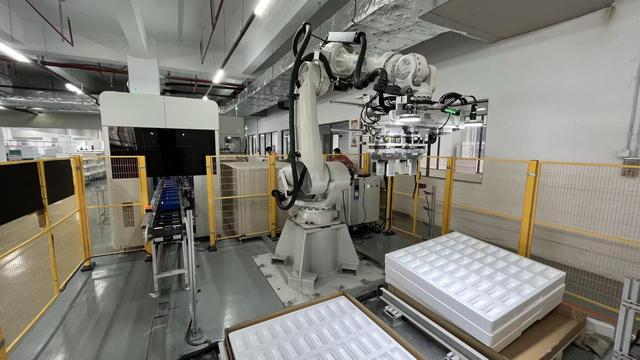
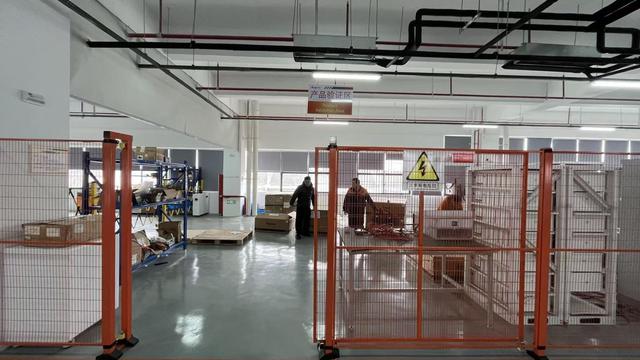
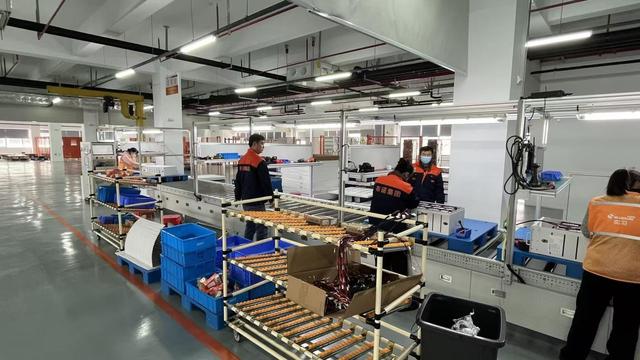
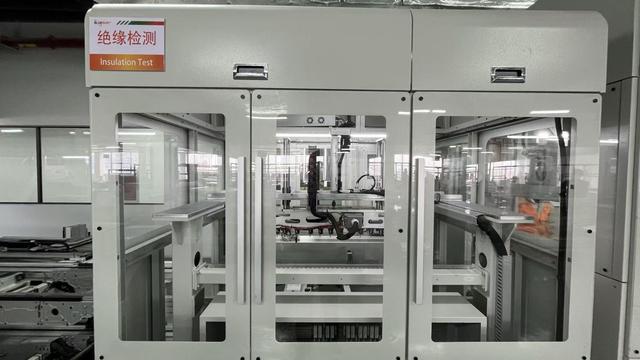
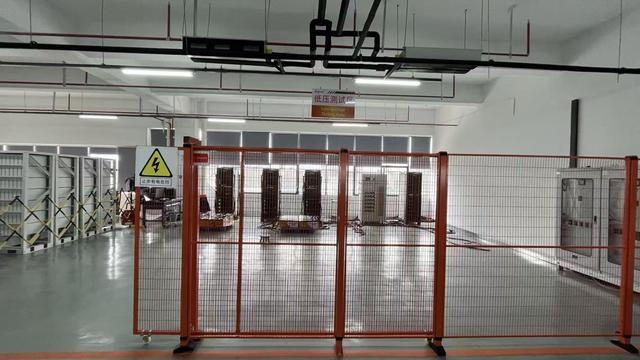
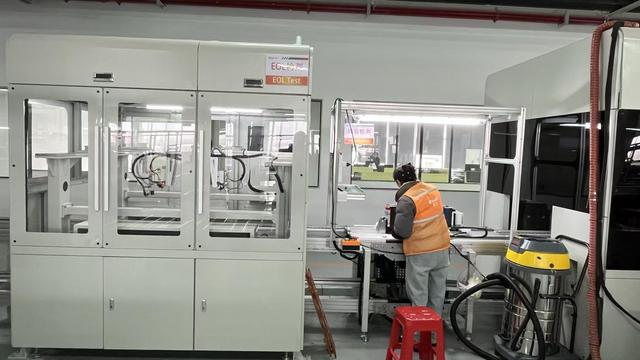
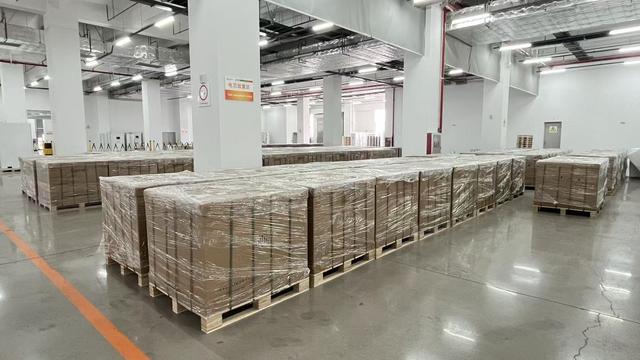
High-efficiency and specialized solar solutions engineered to optimize output under challenging site conditions.
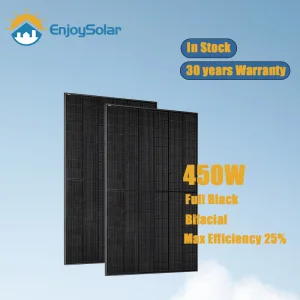
Ensuring projects meet national and regional regulatory requirements to streamline grid approval.
Interconnecting a commercial solar asset to local utilities like Con Edison, National Grid, or PSEG Long Island requires meeting strict electrical and safety regulations. These regulations are designed to maintain grid stability and protect service personnel during outages.
Requires roof-mounted PV systems to quickly reduce voltage within the array boundary to safe levels during an emergency, facilitating safer access for emergency responders.
These standards certify the electrical and mechanical safety of PV modules, verifying they can withstand high-voltage stresses and extreme weather conditions over their operational life.
Under the New York State Uniform Fire Prevention and Building Code, rooftop structures must meet regional wind-uplift and snow-load criteria.
| Design Parameter | Required Specification | GAF Solar Performance |
|---|---|---|
| Front Side Max Load (Snow) | 3600 Pascal (Pa) | 5400 Pascal (Pa) |
| Rear Side Max Load (Wind) | 1600 Pascal (Pa) | 2400 Pascal (Pa) |
| Hailstone Resistance | 25mm at 23 m/s | Certified (Class 4) |
Our high-efficiency modules are designed to provide consistent performance across diverse geographic and structural conditions.
Answers to common technical, financial, and regulatory questions from New York developers and property owners.
Get in touch with our engineering team to request detailed spec sheets, factory pricing, and customized configuration analyses.
Send Inquiry Now GAF Solar