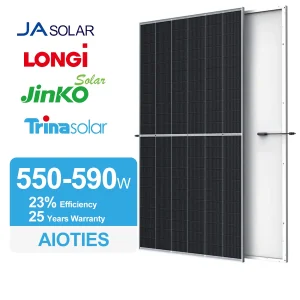
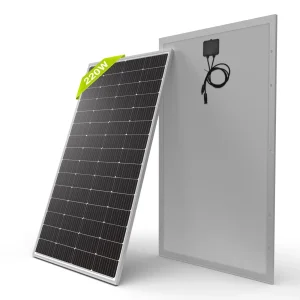
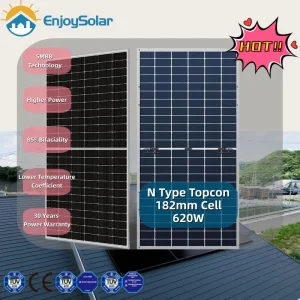
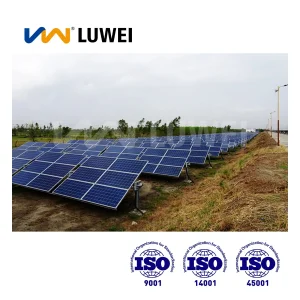
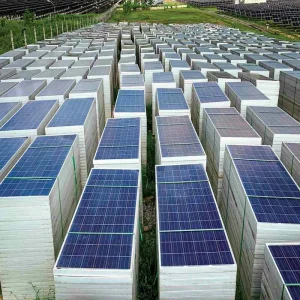
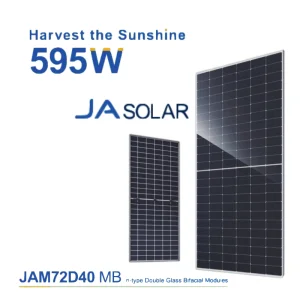
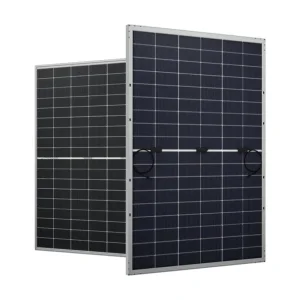
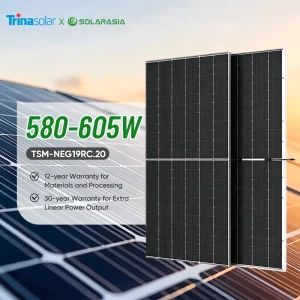
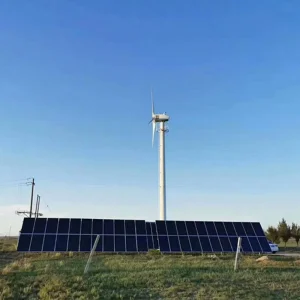
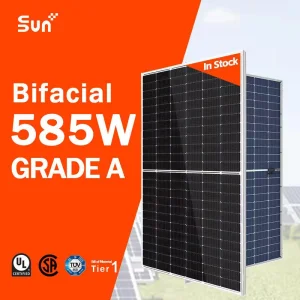
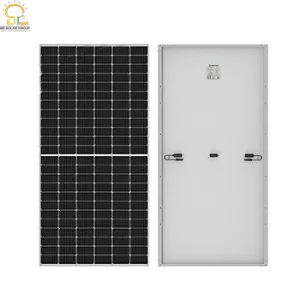
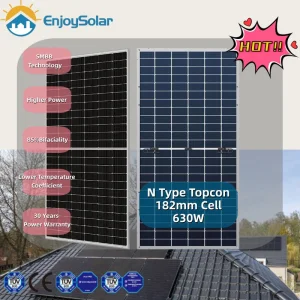
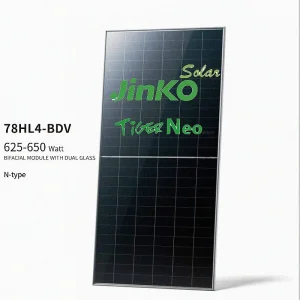
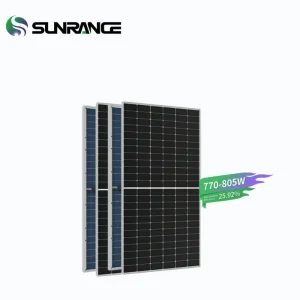
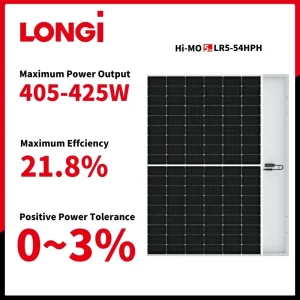
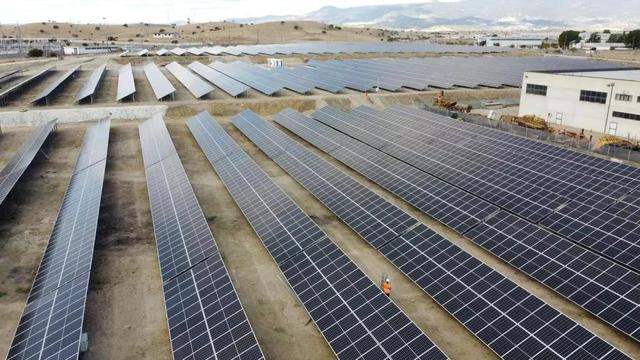
Engineered high-efficiency modules selected for performance under harsh tropical conditions, optimized for concrete foundations and ground mounting arrays.
Nigeria stands at the forefront of Africa's energy transition. With grid instability, frequent tariff adjustments, and the systemic phasing out of diesel subsidies, local Commercial and Industrial (C&I) businesses are rapidly turning to ground-mounted photovoltaic systems. Decentralized energy generation offers businesses in Lagos, Kano, Ibadan, and Port Harcourt a path to energy independence.
The Nigeria Electricity Act of 2023 has fully decentralized power generation, licensing, and distribution, unlocking major private investments in multi-megawatt ground-mounted mini-grids. Ground-mounted solar panel farms have become the most viable capital asset for large industrial centers requiring consistent, high-load capacities.
Unlike rooftop setups restricted by limited building designs, ground-mounted installations are versatile and built to withstand the unique climatic zones of sub-Saharan Africa.
In states like Kaduna, Kano, and Sokoto, high temperatures combined with dry, sandy winds demand robust modules. N-Type TOPCon bifacial modules, when paired with elevated concrete foundations, optimize power output by reflecting light from the sandy ground (albedo effect), while resisting dust accumulation.
Industrial clusters in Lagos (Ikeja, Lekki) and Ogun State require large, stable base-load systems. Megawatt-scale ground installations with steel framing systems resist humid, salt-heavy winds from the Atlantic, ensuring long-term structural integrity.
In Nigeria's Middle Belt, farmers deploy elevated ground structures. These structures allow crop planting underneath (Agrivoltaics) while providing continuous energy to solar water pumps, eliminating dependence on costly petrol pumps.
Mining fields in Nasarawa and Jos require self-sustaining power loops. High-power output 600W+ bifacial modules mounted on heavy-duty ground racks provide the localized grid power needed for heavy mineral extraction machinery.
Keeping Nigeria aligned with global advancements in clean energy generation.
Globally, ground-mounted solar utility projects are transitioning to N-Type TOPCon (Tunnel Oxide Passivated Contact) and HJT (Heterojunction Technology) solar cells. These high-density configurations offer key advantages over traditional P-type PERC structures:
Standard panels experience drop-offs in power output as ambient temperatures rise above 25°C. TOPCon cells lower this loss to -0.30%/°C, generating more total power during midday heat peaks in Nigeria compared to older module types.
Bifacial solar technology captures ambient light bouncing from the ground surface onto the back of the panel. This provides up to a 25% clean energy generation boost on sandy or concrete-surfaced mounting sites.
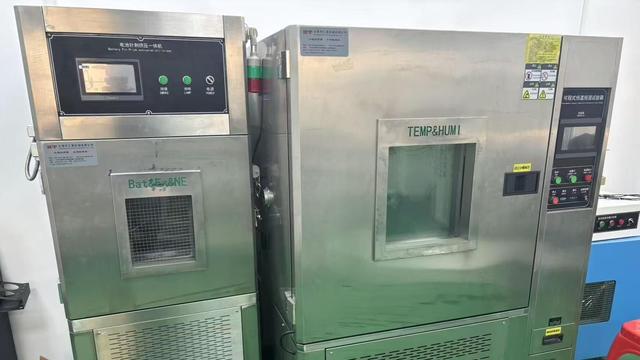
Additionally, anti-degradation technologies like Anti-PID (Potential Induced Degradation) prevent power losses in high-humidity climates. GAF Solar modules undergo rigorous high-temperature and high-humidity testing to guarantee a linear power output of over 87.4% even after 30 years of continuous operation.
Why sourcing directly from GAF Solar's Ningbo production hub streamlines project deployment in Nigeria.
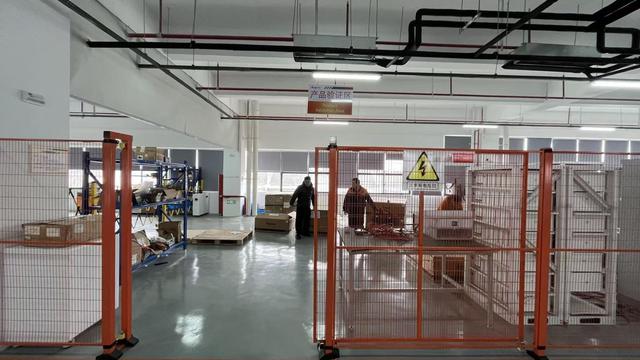
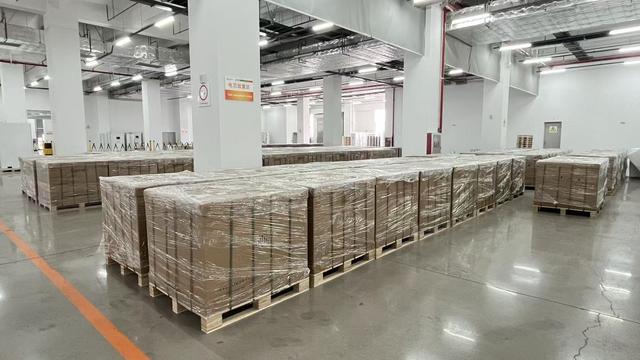
China's highly integrated solar manufacturing cluster provides unmatched cost efficiency, scale, and research-driven product refinement. Ningbo GAF Solar Co., Ltd. coordinates the entire process from cell manufacturing to global logistics from our modern manufacturing base in Ningbo, China.
Ningbo GAF Solar Co., Ltd. is a professional Solar Panel Manufacturer | Monocrystalline, Bifacial & High Efficiency PV Modules dedicated to providing reliable solar energy solutions for residential, commercial, industrial, and utility-scale applications worldwide. With a strong commitment to renewable energy innovation, the company delivers advanced photovoltaic products designed to maximize energy generation, efficiency, and long-term performance.
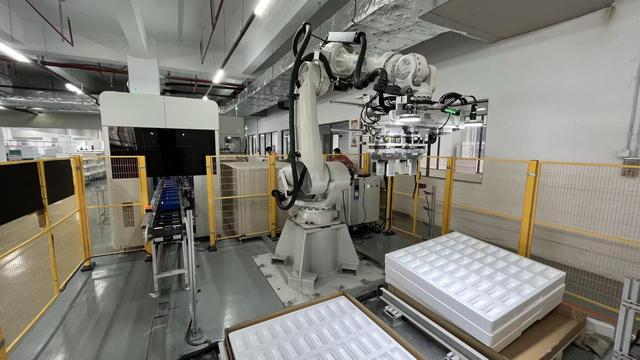
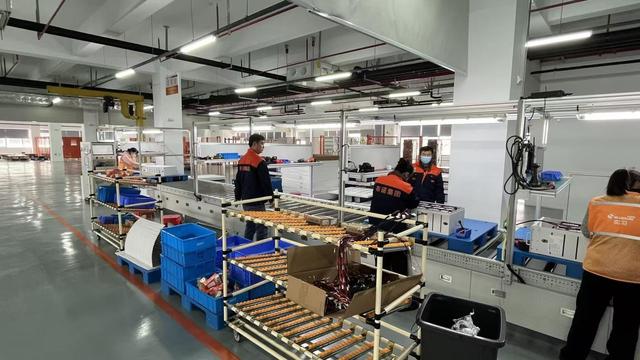
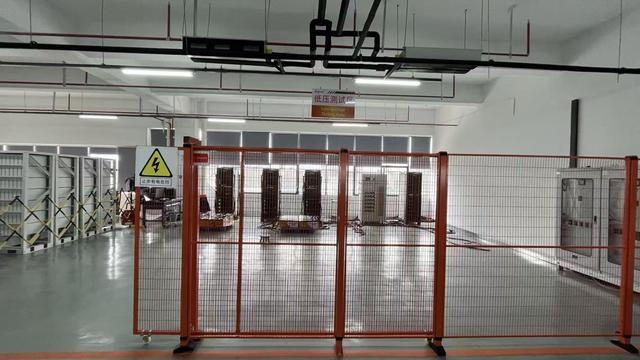
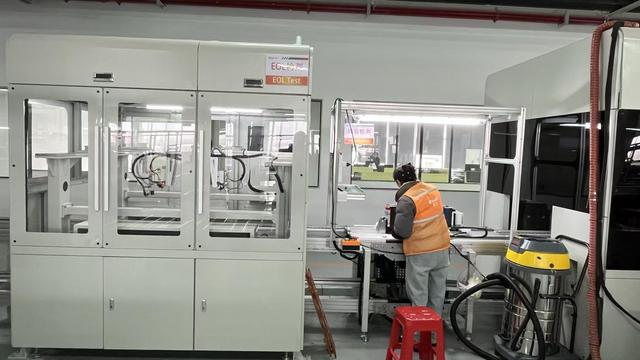
Based in Ningbo, China, GAF Solar operates modern manufacturing facilities equipped with advanced production technologies, automated assembly lines, and comprehensive quality control systems. The company specializes in the development and production of monocrystalline solar panels, bifacial solar modules, high-efficiency photovoltaic panels, rooftop solar solutions, commercial solar systems, industrial solar installations, and customized PV energy projects.
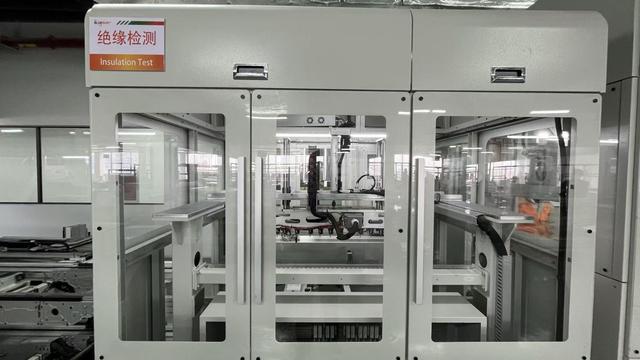
GAF Solar focuses on technological innovation and product reliability. By utilizing premium-grade solar cells, durable materials, and precision manufacturing processes, the company produces solar modules capable of delivering excellent power output, superior weather resistance, and long operational lifespans. Every product undergoes rigorous testing and quality inspections to ensure compliance with international standards and the demanding requirements of global energy markets.
In addition to manufacturing high-performance solar panels, GAF Solar offers comprehensive OEM and ODM services, supporting distributors, EPC contractors, solar developers, energy solution providers, and private-label brands. The company provides flexible customization options, professional technical support, and efficient project coordination from design and production to shipment and after-sales service.
Serving customers across North America, Europe, Southeast Asia, the Middle East, Africa, and Latin America, Ningbo GAF Solar Co., Ltd. has established a reputation for quality, reliability, and customer-focused service. Through continuous innovation and sustainable manufacturing practices, the company remains committed to accelerating the global transition toward clean, renewable energy and creating long-term value for partners around the world.
Essential insights for developers, EPC contractors, and procurement officers importing tier-1 solar technology.
Successfully executing utility-scale ground-mounted solar installations in Nigeria requires careful alignment with local regulatory and logistics frameworks. Key considerations for projects include:
All industrial solar panel shipments into Nigeria must be certified under the Standards Organisation of Nigeria Conformity Assessment Programme (SONCAP). This certification verifies that imported solar components meet strict safety and operational standards, helping prevent delays at key Lagos ports.
Under current fiscal policy directives aimed at accelerating clean energy access in Nigeria, deep-cycle solar components, photovoltaic panels, and solar-grade inverters enjoy favorable custom duty tariffs, making large-scale ground-mount installations more financially viable.
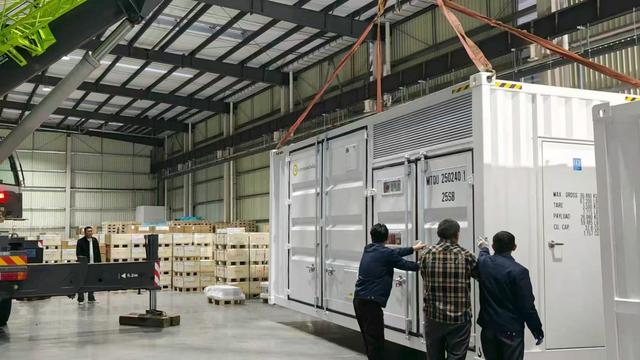
GAF Solar provides complete export documentation packs—including product test certifications, factory audit records, packing lists, and certified bills of lading—to ensure smooth clearance through customs agents at West African ports.
Select from our range of monocrystalline modules, structural racking, and high-power bifacial solar configurations optimized for commercial projects.
Answering key technical and commercial questions from installers, solar developers, and corporate procurement teams.
Ground-mounted arrays allow for precise tilt angle optimization and orientation adjustments (facing true South in Nigeria) to maximize daily solar generation. They are easier to clean and maintain, run cooler due to natural ventilation under the panels (improving temperature-related power loss coefficients), and avoid structural load issues associated with older warehouse roofs in industrial zones like Ikeja or Apapa.
Our panels are certified for sand-dust resistance under IEC standards. Furthermore, we use N-Type TOPCon cells with a lower temperature coefficient (-0.30%/°C) compared to standard mono-PERC cells, ensuring the panels produce more power even in temperatures above 40°C in Northern Nigeria.
Due to the deregulation of fuel prices and currency fluctuations affecting diesel costs, ground-mounted solar projects typically achieve a Levelized Cost of Energy (LCOE) below $0.06 per kWh over a 25-year lifespan. This represents a significant saving compared to diesel micro-grids, which often exceed $0.28 per kWh.
For sandy and light soils common in the North, ramming piles or concrete ballast blocks are recommended. For coastal soils in the South, concrete pier foundations provide the necessary resistance to high winds and soft ground shifts.
Yes. We offer comprehensive OEM/ODM services from our Ningbo factory, allowing distributors and developers to specify junction box configurations, frame colors, cable lengths, and custom module power configurations (ranging from 540W to over 650W) for local tenders.
 GAF Solar