High-efficiency solar solutions engineered to meet the demanding parameters of Israel's utility-scale, commercial, and agricultural grids.
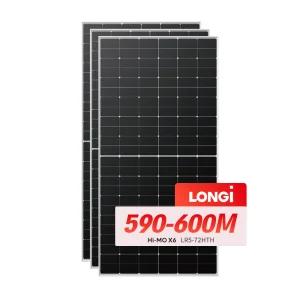
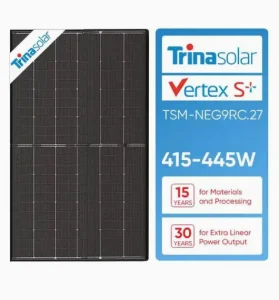
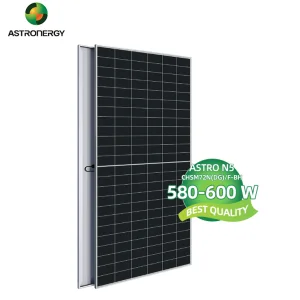
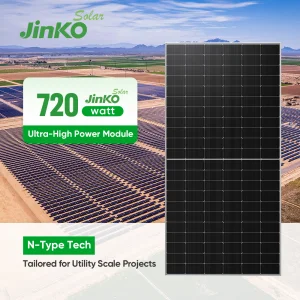
As a global leader in high-performance photovoltaic technology, Ningbo GAF Solar Co., Ltd. specializes in executing specialized manufacturing for demanding geographical markets. The State of Israel presents a compelling mix of micro-climatic opportunities and infrastructural requirements that demand precise PV design. To achieve low Levelized Cost of Energy (LCOE) targets in areas such as the Negev Desert, Galilee, and Ashdod's industrial coastal hubs, PV deployment must move beyond off-the-shelf assumptions.
Israel's National Energy Strategy targets 30% electricity generation from renewable sources by 2030. This has driven structural changes, including regulatory updates by the Israel Electric Corporation (IEC) and the Ministry of Energy. Notable trends include:
Deploying solar infrastructure in Israel requires addressing two major micro-climatic factors:
A. Thermal Degradation: In locations like the Arava Valley, ambient temperatures often exceed 40°C, and cell temperatures can reach up to 75°C. Under these conditions, conventional P-type PERC panels experience significant thermal degradation. Our N-type TOPCon monocrystalline cells feature a temperature coefficient of just -0.30%/°C. This preserves up to 3% more power output during peak heat events compared to standard P-type alternatives.
B. Soilage and Dust Accumulation: The Negev Desert has high levels of fine sand dust. Frequent dry cleaning is necessary to avoid hot-spot formation. GAF Solar modules are constructed with double-sided, high-transmission anti-reflective glass and IP68-rated junction boxes. This configuration withstands automated robotic waterless cleaning brushes without micro-cracking.
Globally, the solar industry has transitioned from P-Type PERC to N-Type TOPCon (Tunnel Oxide Passivated Contact) structures. This shift is driven by the performance characteristics of N-Type technology:
High-capacity solutions designed for logistics hubs, agriculture networks, and industrial microgrids.
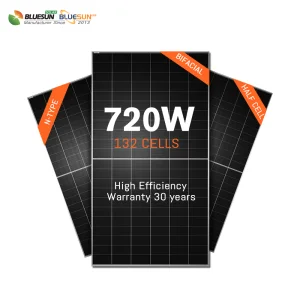
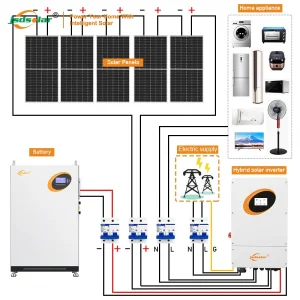
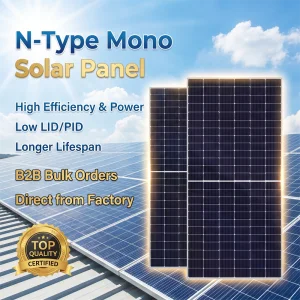
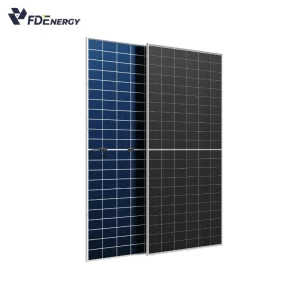
Tailoring modular design parameters to Israel's regional challenges and deployment models.
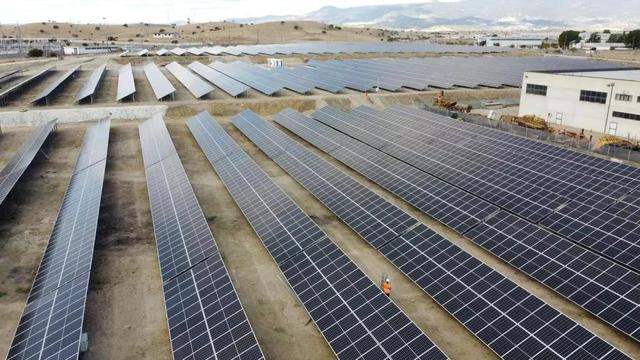
Utility-scale and microgrid projects require modules with low thermal degradation and high mechanical resistance. High ground albedo from sand increases the yield of our bifacial double-glass structures. Combined with sand-mist certification, these panels are built for long-term desert operation.
Projects along Israel's coastline, from Tel Aviv to Haifa, face high salinity and humidity. Our modules are certified for Level 6 Salt Mist and Ammonia Resistance, protecting silver metallization gridlines from chemical corrosion and preventing early module failures.
Dual-land usage in agricultural sectors requires customized light transmission profiles. GAF Solar works with project developers to provide varying transparency levels in our double-glass modules. This allows photosynthetically active radiation (PAR) to reach crops while generating electricity from the overhead structures.
The transition toward highly integrated energy systems in Israel is accelerating. To support this growth, our R&D pipeline focuses on three main technology pillars:
1. Perovskite-Silicon Tandem Modules: While TOPCon technology remains the current standard, we are developing silicon-tandem cells. These layer a perovskite thin-film over an N-type silicon base to capture different spectrums of solar light, aiming to break the 26.5% commercial efficiency threshold by late 2026.
2. Low-Temperature Coefficient Optimization: Ongoing optimization of busbar layouts (such as SMBB technology with 16 to 18 micro-busbars) reduces electrical resistance and shadow losses, helping modules operate reliably under high ambient temperatures.
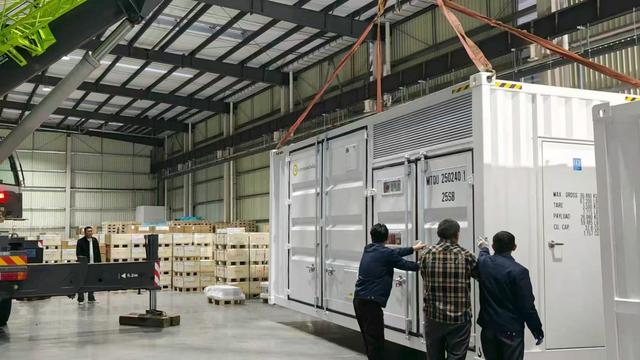
3. Battery Energy Storage System (BESS) Integration: Recognizing Israel's grid bottleneck, GAF Solar offers AC/DC coupled storage packages. These coordinate hybrid inverters with high-power modules to shift energy export to peak tariff periods.
Ningbo GAF Solar Co., Ltd. — Delivering high-performance, tier-one standard manufacturing processes globally.
Ningbo GAF Solar Co., Ltd. is a professional Solar Panel Manufacturer | Monocrystalline, Bifacial & High Efficiency PV Modules dedicated to providing reliable solar energy solutions for residential, commercial, industrial, and utility-scale applications worldwide. With a strong commitment to renewable energy innovation, the company delivers advanced photovoltaic products designed to maximize energy generation, efficiency, and long-term performance.
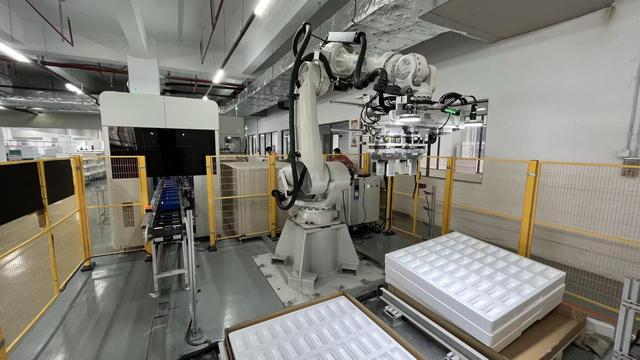
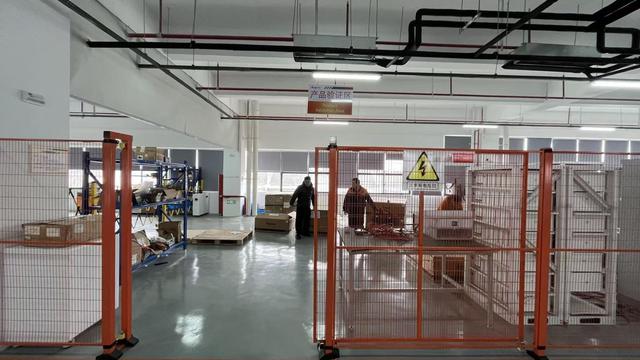
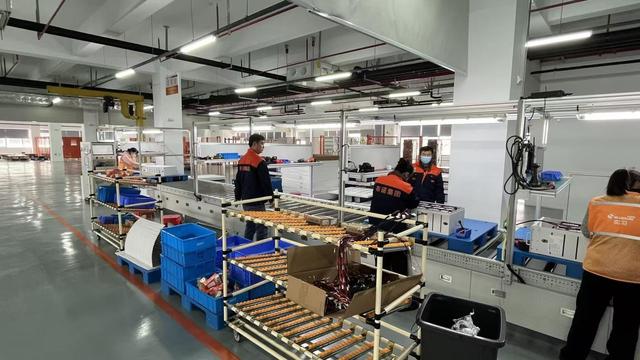
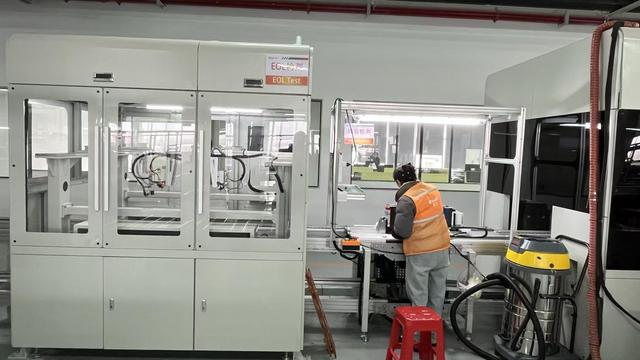
Based in Ningbo, China, GAF Solar operates modern manufacturing facilities equipped with advanced production technologies, automated assembly lines, and comprehensive quality control systems. The company specializes in the development and production of monocrystalline solar panels, bifacial solar modules, high-efficiency photovoltaic panels, rooftop solar solutions, commercial solar systems, industrial solar installations, and customized PV energy projects.
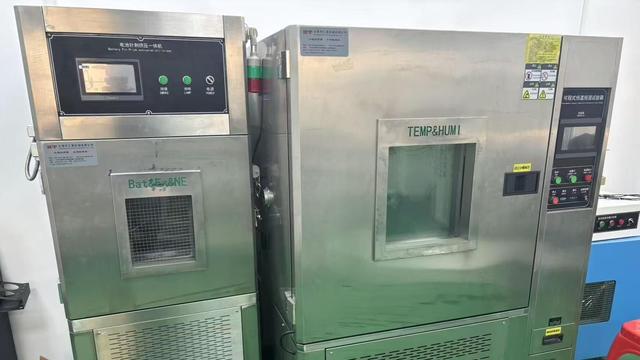
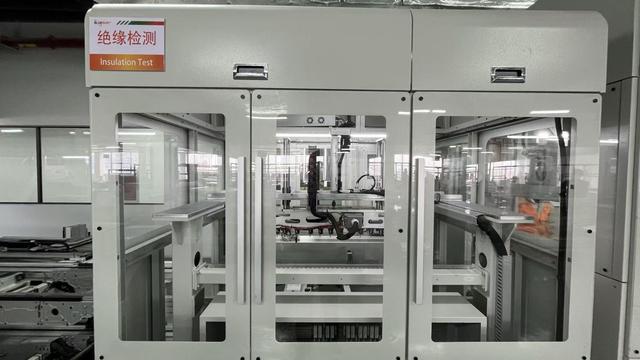
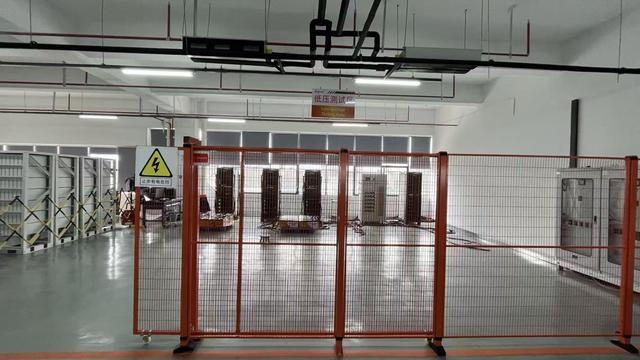
GAF Solar focuses on technological innovation and product reliability. By utilizing premium-grade solar cells, durable materials, and precision manufacturing processes, the company produces solar modules capable of delivering excellent power output, superior weather resistance, and long operational lifespans. Every product undergoes rigorous testing and quality inspections to ensure compliance with international standards and the demanding requirements of global energy markets.
In addition to manufacturing high-performance solar panels, GAF Solar offers comprehensive OEM and ODM services, supporting distributors, EPC contractors, solar developers, energy solution providers, and private-label brands. The company provides flexible customization options, professional technical support, and efficient project coordination from design and production to shipment and after-sales service.
Serving customers across North America, Europe, Southeast Asia, the Middle East, Africa, and Latin America, Ningbo GAF Solar Co., Ltd. has established a reputation for quality, reliability, and customer-focused service. Through continuous innovation and sustainable manufacturing practices, the company remains committed to accelerating the global transition toward clean, renewable energy and creating long-term value for partners around the world.
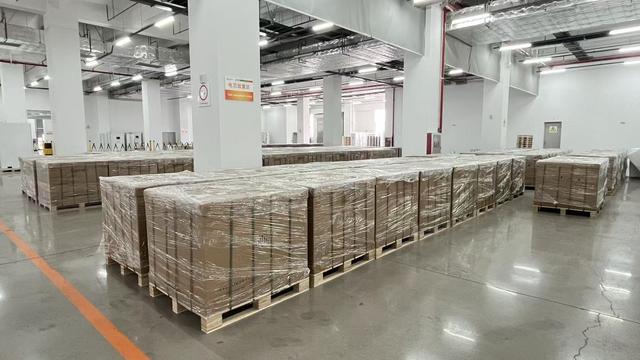
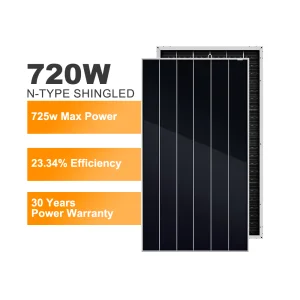
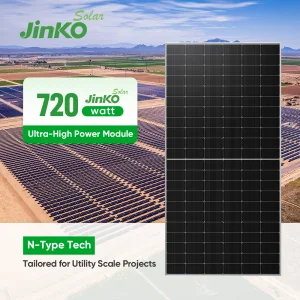
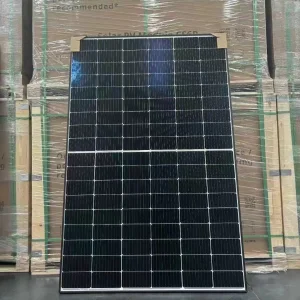
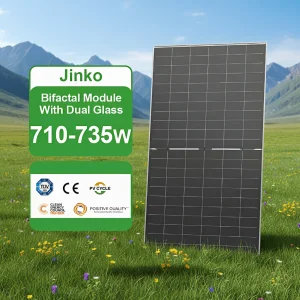
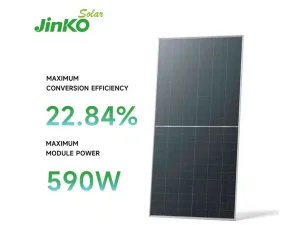
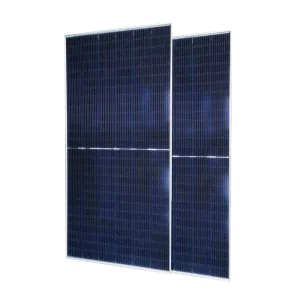
Explore the complete catalog of monocrystalline, TOPCon, and bifacial double-glass solar panels available for export to Israel.
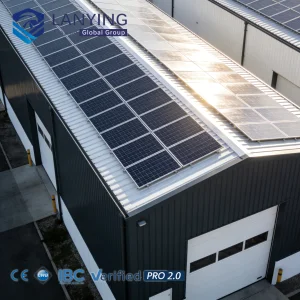
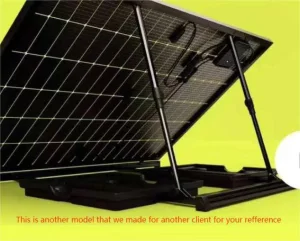
Important engineering and logistics questions answered for Israel-based developers, EPC contractors, and distributors.
Contact our technical support team for detailed specifications, mechanical drawings, or factory pricing for your upcoming commercial, industrial, or utility projects in Israel.
Send Inquiry Now GAF Solar