These highly flexible, lightweight, and weather-resistant modules are perfectly configured to perform under Northern Germany's diffuse light conditions.
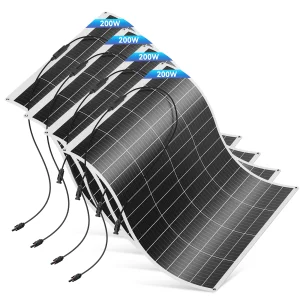
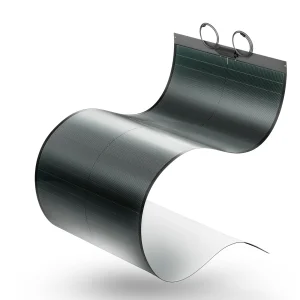
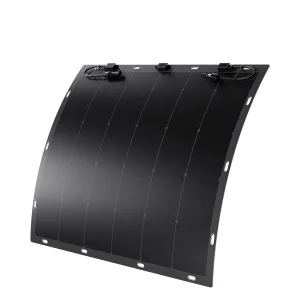
Navigating structural weight limits, strict aesthetic conservation laws, and maritime microclimates in the Free and Hanseatic City.
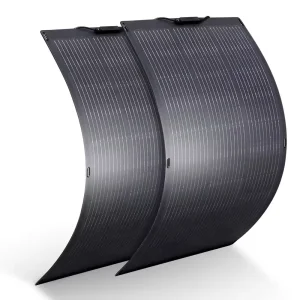
Under the Hamburg Climate Protection Act (HambClimPA), PV installations are mandatory on new buildings and major roof renovations. However, historic brick warehouses in the *Speicherstadt* and the *Kontorhausviertel* present strict load-bearing limits and aesthetic preservation codes. Our lightweight, ultra-thin CIGS modules offer a drill-free, low-profile solar solution that adheres to monument protection standards while maximizing energy generation.
The Port of Hamburg, Germany’s largest seaport, is aiming for comprehensive decarbonization. Shipbuilders and logistics operators require marine-grade solar systems capable of resisting constant salt-spray corrosion, high winds, and mechanical vibration. Our specialized flexible thin-film panels feature IP67/IP68 weatherproofing and dual-encapsulated polymers, making them suitable for deck integration, port cranes, and barges.
Northern Germany has a high percentage of overcast and cloudy days. Traditional monocrystalline silicon panels suffer steep efficiency losses when light angles are oblique or skies are cloudy. Thin-film CIGS (Copper Indium Gallium Selenide) and CdTe (Cadmium Telluride) technologies feature a wider spectral absorption range, allowing them to capture diffuse blue-green spectrum light and generate up to 15% more power annually under Hamburg’s typical skies.
An authoritative engineering breakdown of how advanced thin-film modules overcome mechanical and structural barriers in Baltic climates.
In high-latitude locations like Hamburg (approx. 53.5° N), solar elevation angles remain low throughout the autumn and winter. The air mass (AM) coefficient increases, scattering shorter wavelengths of light. Traditional silicon panels have a narrow spectral response centered around the infrared range. In contrast, CIGS and CdTe thin-film semiconductor layers are engineered with a tunable bandgap. This enables higher quantum efficiency in the shorter wavelengths of diffuse sunlight. When coupled with a low temperature coefficient (-0.31%/°C for CIGS vs. -0.39%/°C for standard crystalline silicon), these panels maintain optimal voltage outputs even during cold, low-insolation winter days.
Many commercial flat roofs in Hamburg’s industrial districts (such as Billbrook and Harburg) are built using lightweight trapezoidal sheet metal or TPO/PVC waterproof membranes. These structures often lack the load-bearing capacity required for traditional glass-backed solar panels, heavy aluminum mounting racks, and ballast blocks. Our adhesive thin-film panels weigh only 2.2 to 3.5 kg/m², representing a weight reduction of over 80% compared to conventional systems. By bonding the solar modules directly to the roofing membrane with specialized butyl adhesive, the structural load is minimized, wind-uplift risks are eliminated, and structural penetration is avoided. This maintains the roof's waterproofing integrity.
Proximity to the North Sea and the Elbe Estuary exposes PV systems in Hamburg to high levels of atmospheric humidity and salt particles. Salt crystallization can cause rapid degradation of standard metal-frame solar modules through galvanic corrosion and potential-induced degradation (PID). Ningbo GAF Solar Co., Ltd. uses premium ETFE (Ethylene Tetrafluoroethylene) fluoropolymer encapsulation. ETFE provides superior chemical resistance, UV stability, and self-cleaning properties, preventing dirt accumulation and salt crusting. Our products have passed IEC 61701 salt mist corrosion testing (Severity Level 6), verifying their long-term durability in industrial marine environments.
Providing clean energy solutions for residential, commercial, industrial, and utility projects worldwide.
Ningbo GAF Solar Co., Ltd. is a professional Solar Panel Manufacturer | Monocrystalline, Bifacial & High Efficiency PV Modules dedicated to providing reliable solar energy solutions for residential, commercial, industrial, and utility-scale applications worldwide. With a strong commitment to renewable energy innovation, the company delivers advanced photovoltaic products designed to maximize energy generation, efficiency, and long-term performance.
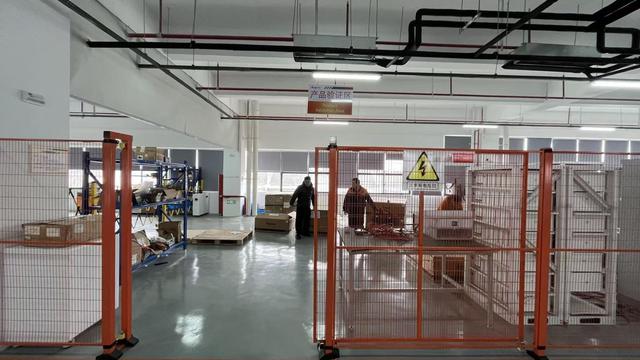
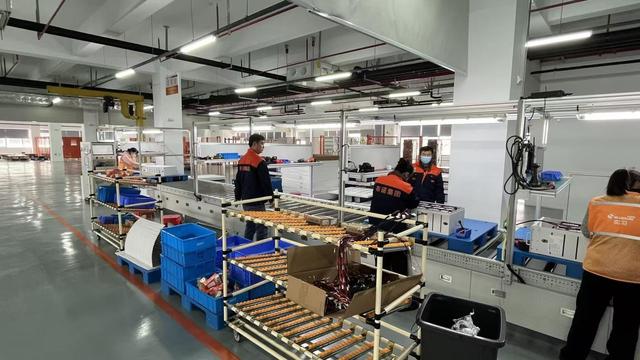
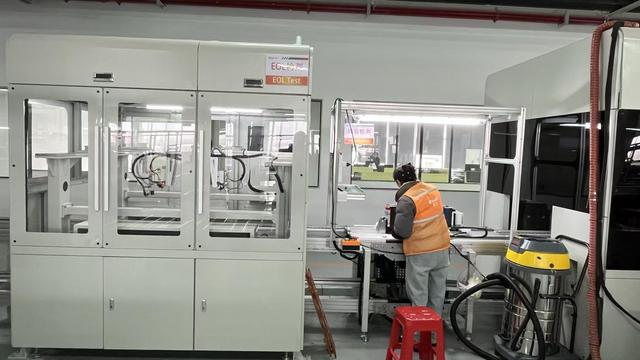
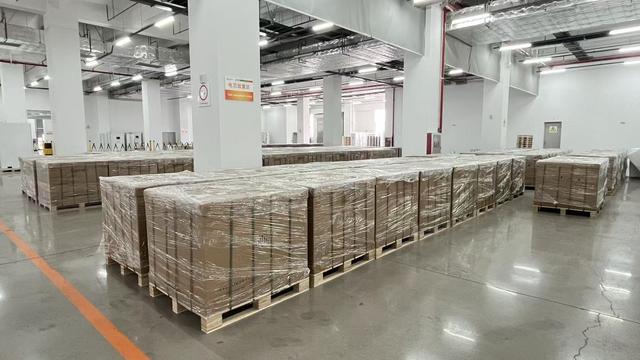
Based in Ningbo, China, GAF Solar operates modern manufacturing facilities equipped with advanced production technologies, automated assembly lines, and comprehensive quality control systems. The company specializes in the development and production of monocrystalline solar panels, bifacial solar modules, high-efficiency photovoltaic panels, rooftop solar solutions, commercial solar systems, industrial solar installations, and customized PV energy projects.
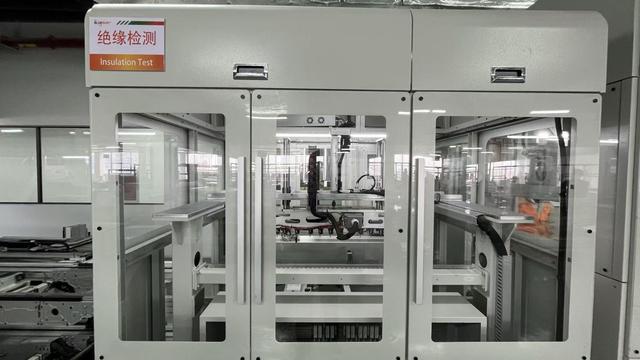
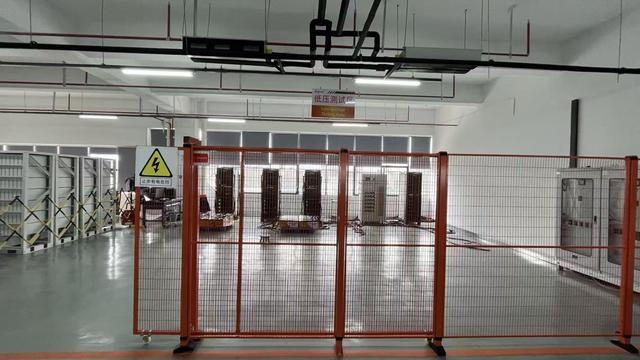
GAF Solar focuses on technological innovation and product reliability. By utilizing premium-grade solar cells, durable materials, and precision manufacturing processes, the company produces solar modules capable of delivering excellent power output, superior weather resistance, and long operational lifespans. Every product undergoes rigorous testing and quality inspections to ensure compliance with international standards and the demanding requirements of global energy markets.
In addition to manufacturing high-performance solar panels, GAF Solar offers comprehensive OEM and ODM services, supporting distributors, EPC contractors, solar developers, energy solution providers, and private-label brands. The company provides flexible customization options, professional technical support, and efficient project coordination from design and production to shipment and after-sales service.
Serving customers across North America, Europe, Southeast Asia, the Middle East, Africa, and Latin America, Ningbo GAF Solar Co., Ltd. has established a reputation for quality, reliability, and customer-focused service. Through continuous innovation and sustainable manufacturing practices, the company remains committed to accelerating the global transition toward clean, renewable energy and creating long-term value for partners around the world.
How GAF Solar products align with the strict regulatory requirements of Germany and the city of Hamburg.
Our flexible and high-efficiency bifacial solar systems conform to the criteria required for registration in the German Marktstammdatenregister (MaStR). This ensures smooth registration processes, enabling commercial and private operators to qualify for the German EEG feed-in tariffs or direct marketing incentives.
To ensure seamless connection to Stromnetz Hamburg's low-voltage grid, our complete solar kits (such as Balcony PV Stations) are designed to integrate with grid-compliant inverters. These kits are fully certified under VDE-AR-N 4105 and carry the CE mark, guaranteeing strict compliance with European safety standards.
The Hamburg Investment and Development Bank (IFB Hamburg) offers dedicated subsidies for solar installations and battery storage. Using GAF Solar's high-density CIGS systems and BIPV elements helps optimize project payback periods, making commercial building retrofits highly cost-effective.
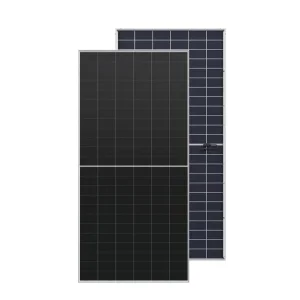
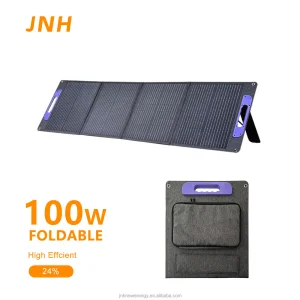
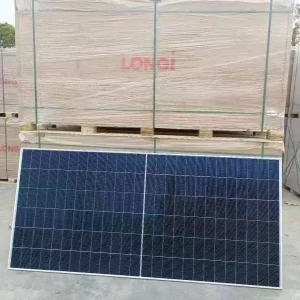
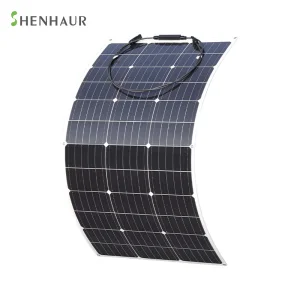
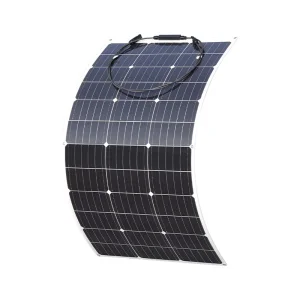
High-output bifacial modules, custom BIPV configurations, and portable solar systems designed for commercial and marine environments.
How next-generation thin-film solar modules are evolving to deliver higher power densities, improved durability, and circular lifecycles.
While current CIGS and monocrystalline thin-film modules offer practical solutions for lightweight and flexible installations, the industry is moving toward Perovskite-Silicon tandem technology. By layering a perovskite thin-film cell over a standard silicon base, solar modules can achieve theoretical efficiency limits beyond 30%. Ningbo GAF Solar Co., Ltd. is actively investing in research to stabilize perovskite coatings against moisture and thermal stress. This ensures these ultra-high-efficiency modules can endure the damp, high-humidity environments typical of coastal regions in Northern Europe.
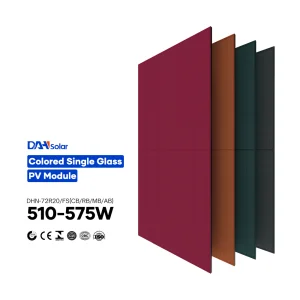
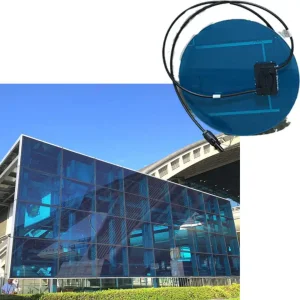
The future of urban energy generation lies in building surfaces. Instead of retrofitting solar panels onto existing roofs, modern building envelopes in Hamburg are increasingly using active photovoltaic materials. From customized, inkjet-printed CdTe glass facades to curved CIGS solar tiles that mimic classic historic roof surfaces, BIPV elements merge architectural aesthetics with functional energy production. Our custom BIPV solutions are engineered to replace traditional siding and roofing materials, reducing building weight, cutting overall installation costs, and contributing directly toward net-zero building certifications (DGNB/LEED).
In alignment with the European Union's Circular Economy Action Plan and WEEE directives, GAF Solar focuses on environmental sustainability throughout a module's lifecycle. Traditional solar panels rely on lead solder and contain materials that are challenging to recycle. Our next-generation thin-film modules are manufactured using lead-free junction boxes, minimal copper/indium materials, and recyclable polymers. We work closely with European recycling networks to ensure that our products can be disassembled, recovered, and recycled at the end of their operational lifespan, minimizing e-waste in the region.
Providing answers to common technical, structural, and regulatory questions from local contractors, architects, and port authority planners.
 GAF Solar