Explore our diverse catalog of high-efficiency N-type modules, flexible thin-film solutions, and complete solar system kits.
Peak Cell Efficiency
Countries Exported
Certified Quality
Performance Warranty
Ningbo GAF Solar Co., Ltd. is a professional Solar Panel Manufacturer | Monocrystalline, Bifacial & High Efficiency PV Modules dedicated to providing reliable solar energy solutions for residential, commercial, industrial, and utility-scale applications worldwide. With a strong commitment to renewable energy innovation, the company delivers advanced photovoltaic products designed to maximize energy generation, efficiency, and long-term performance.
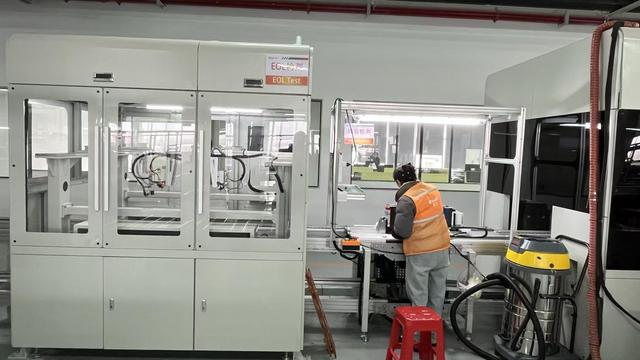
Based in Ningbo, China, GAF Solar operates modern manufacturing facilities equipped with advanced production technologies, automated assembly lines, and comprehensive quality control systems. The company specializes in the development and production of monocrystalline solar panels, bifacial solar modules, high-efficiency photovoltaic panels, rooftop solar solutions, commercial solar systems, industrial solar installations, and customized PV energy projects.
GAF Solar focuses on technological innovation and product reliability. By utilizing premium-grade solar cells, durable materials, and precision manufacturing processes, the company produces solar modules capable of delivering excellent power output, superior weather resistance, and long operational lifespans. Every product undergoes rigorous testing and quality inspections to ensure compliance with international standards and the demanding requirements of global energy markets.
In addition to manufacturing high-performance solar panels, GAF Solar offers comprehensive OEM and ODM services, supporting distributors, EPC contractors, solar developers, energy solution providers, and private-label brands. The company provides flexible customization options, professional technical support, and efficient project coordination from design and production to shipment and after-sales service.
Serving customers across North America, Europe, Southeast Asia, the Middle East, Africa, and Latin America, Ningbo GAF Solar Co., Ltd. has established a reputation for quality, reliability, and customer-focused service. Through continuous innovation and sustainable manufacturing practices, the company remains committed to accelerating the global transition toward clean, renewable energy and creating long-term value for partners around the world.
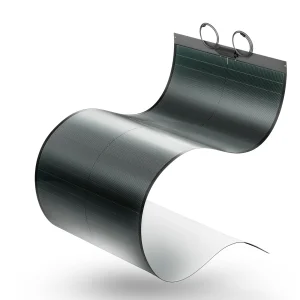
Integrating CIGS (Copper Indium Gallium Selenide) and flexible monocrystalline substrates, offering lightweight, bendable, and high-efficiency performance for complex structural surfaces.
Fully compliant with EU standards, including EN 61215 and EN 61730, ensuring high reliability, mechanical safety, electrical insulation, and simplified import processes.
From custom bending radii for RV/marine panels to custom-sized integrated building glass (BIPV), our design and manufacturing teams translate requirements into reliable PV units.
The global transition toward carbon neutrality has accelerated the demand for highly versatile solar materials. While traditional crystalline silicon panels remain a cornerstone of ground-mounted solar utility projects, thin-film solar cells have carved out a highly profitable and technologically vital niche. Their thin profile, low weight, flexibility, and superior low-light performance make them an indispensable solution for modern, complex architectural designs and mobile off-grid infrastructures.
Modern commercial and industrial (C&I) properties face unique challenges when adopting solar energy. Many older roofs or lightweight warehouse roofs built with corrugated sheet metal cannot support the load of traditional glass-and-aluminum framed monocrystalline modules. Thin-film modules, particularly those based on copper indium gallium selenide (CIGS) or lightweight flexible monocrystalline technology, solve this engineering hurdle. By distributing negligible weight (often less than 3 kg/m² compared to 15-20 kg/m² for traditional modules), they eliminate the need for costly structural reinforcements, significantly lowering the Levelized Cost of Energy (LCOE) and speeding up installation.
Furthermore, the aesthetic requirements of modern corporate buildings have driven the adoption of Building-Integrated Photovoltaics (BIPV). Architects no longer want bulky, visible rack-mounted panels on facades. Modern thin-film solutions can be seamlessly integrated into glass curtain walls, skylights, and cladding, turning structural surfaces into active energy generators without sacrificing architectural integrity.
Understanding the differences between these technologies is crucial for project managers and EPC developers. The choice of cell technology directly affects long-term energy yields, durability under extreme temperatures, and installation costs.
| Technology Type | Standard Efficiency Range | Temperature Coefficient | Weight & Flexibility | Key Commercial Use Case |
|---|---|---|---|---|
| N-Type TOPCon / Monocrystalline | 21.5% - 23.5% | -0.30% / °C to -0.34% / °C | Rigid, high weight (glass-backed), requires structural framing | Large industrial rooftops, ground-mounted utility systems |
| CIGS Thin-Film | 15.0% - 17.5% | -0.26% / °C to -0.30% / °C | Ultra-flexible, thin (< 2mm), ultra-lightweight, customizable shape | Curved facades, transportation roofs (RVs, buses, marine vessels) |
| Flexible Monocrystalline (e.g. Sunman Tech) | 19.0% - 21.0% | -0.34% / °C to -0.36% / °C | Semi-flexible, polymer-front sheet, frameless quick-bond backing | Low-load industrial metal roofs, quick-install commercial applications |
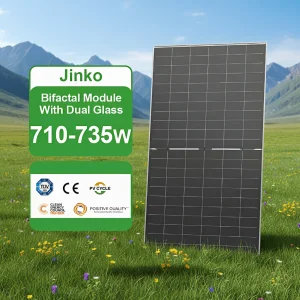
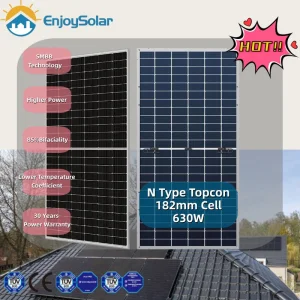
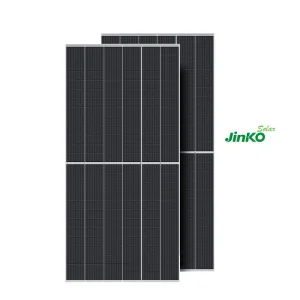
While crystalline modules like the Jinko Tiger Neo 3.0 or Longi TOPCon 630W deliver maximum raw efficiency per square meter, flexible thin-film variants excel in harsh environmental conditions. The lower temperature coefficient of CIGS means that in regions with high ambient temperatures (such as the Middle East or Saharan Africa), thin-film panels suffer less performance degradation, often matching or exceeding the net energy yield of crystalline modules over their operational lifetime.
As an established exporter, Ningbo GAF Solar Co., Ltd. ensures that all thin-film and crystalline modules comply with international testing standards. The CE Certification is a critical regulatory passport for the European Economic Area (EEA), verifying that the modules conform to rigorous safety, health, and environmental protection standards.
Our export-grade solar panels undergo strict evaluation processes:
By maintaining verified CE credentials, Ningbo GAF Solar streamlines customs clearances, mitigates compliance risks for importing distributors, and qualifies local installations for government-backed feed-in tariffs (FiTs) and renewable energy subsidies.
Many modern distribution centers and cold-storage facilities utilize light-gauge corrugated steel roofs. These structures are often not rated for the dead load of traditional heavy solar arrays. Using ultra-lightweight flexible thin-film or polymer-composite monocrystalline modules (such as our 450W flexible thin-film with magnetic-backed or adhesive backing) allows EPC contractors to bond panels directly to the roof ribs. This eliminates penetrations, preserves waterproofing warranties, and keeps the installation weight below 3.5 kg/m².
RVs, yachts, trailers, and shipping containers require robust, vibration-resistant power sources. Traditional glass panels are susceptible to cracking from mechanical shocks and twist forces. Flexible thin-film cells, such as CIGS kits, adapt to the curvature of vehicle roofs and decks. Their high tolerance to partial shading (caused by boat masts, satellite dishes, or foliage) ensures a steady power supply to on-board battery storage systems, even under compromised sunlight conditions.
In dense urban centers, roof space is limited, but vertical facade space is abundant. Building-Integrated Photovoltaics (BIPV) turn vertical glass facades and balconies into clean energy generators. Double-glass transparent bifacial panels and thin-film glazing options let natural light through while capturing solar energy. This assists municipal projects in meeting modern Net-Zero Energy Building (NZEB) mandates.
The next horizon for thin-film photovoltaic systems is the commercialization of Perovskite-Silicon Tandem cells. By layering a thin perovskite film over a standard crystalline or silicon base, the cell can capture a broader spectrum of sunlight (with perovskite absorbing blue/green light and silicon capturing red/infrared light). This technology has already broken lab efficiency records, exceeding 30%.
Ningbo GAF Solar keeps track of these technological advancements. Our production lines are built to accommodate these developments, ensuring that our clients receive up-to-date technologies. Through continuous research and development, we aim to maintain a leading position in the thin-film export market, providing reliable solar products that offer a high return on investment.
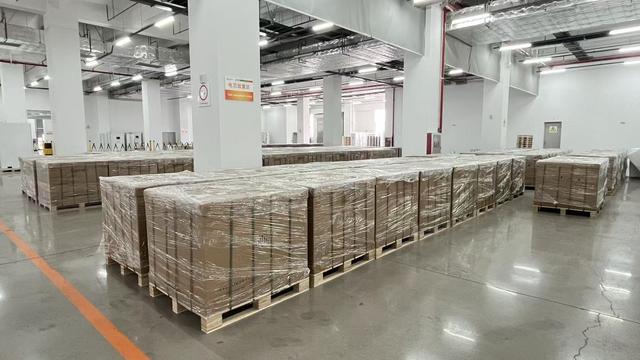
Take a virtual tour of our production facilities, testing rooms, and export shipping divisions, where every panel undergoes rigorous quality checks before shipment.
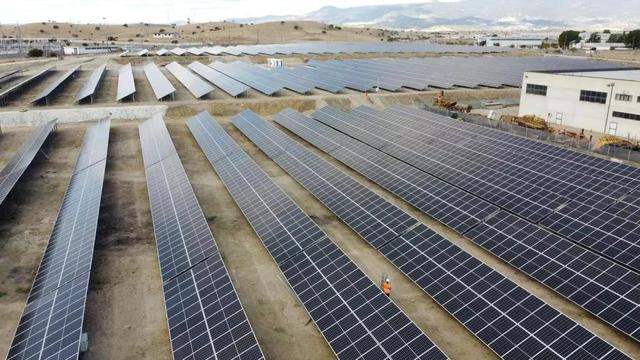
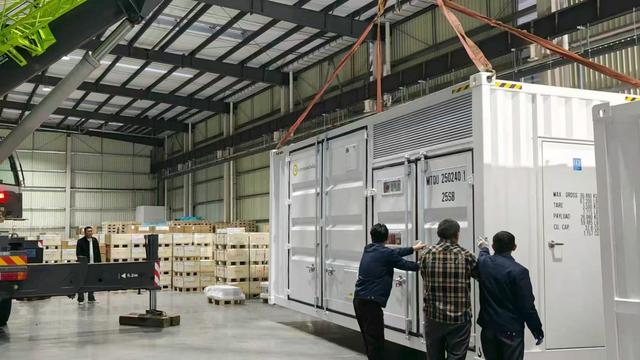
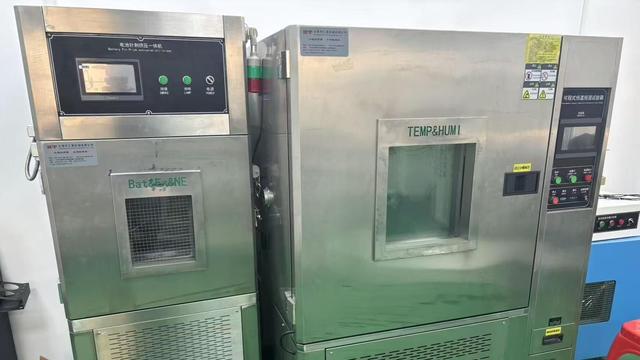
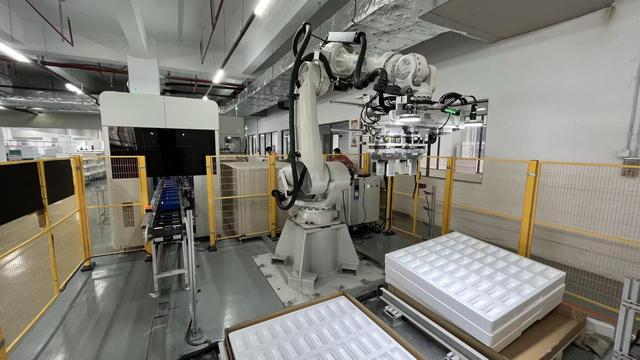
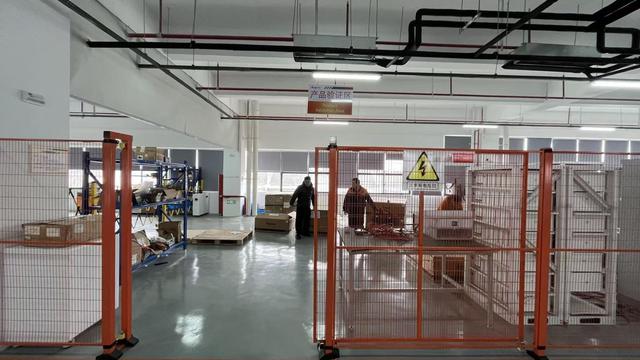
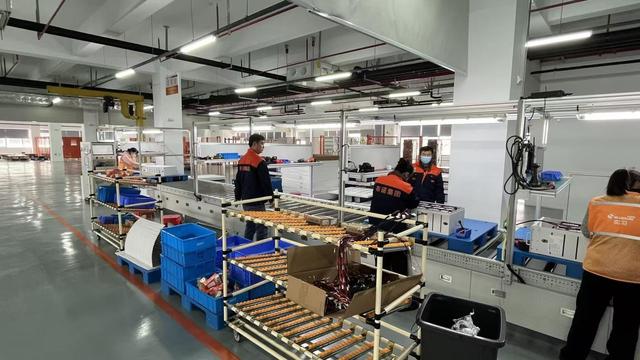
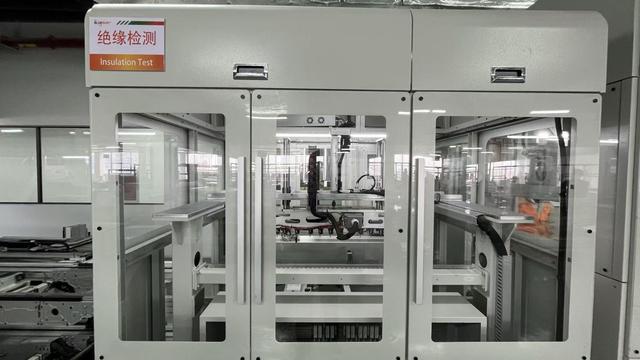
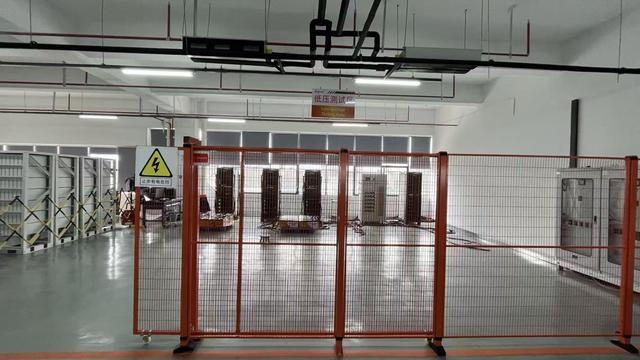
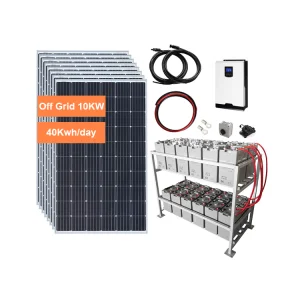
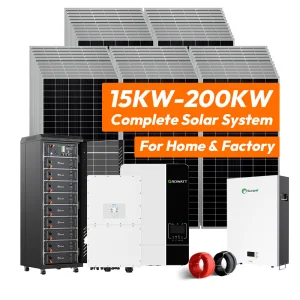
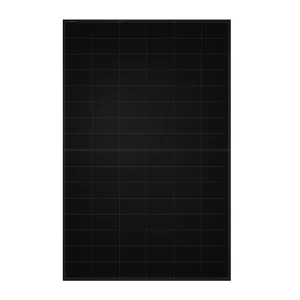
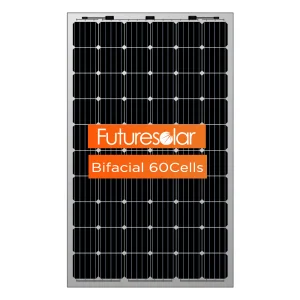
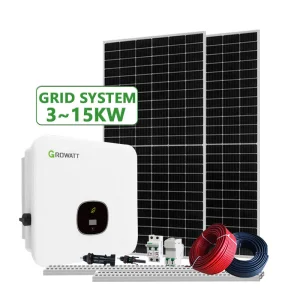
High-performance solar configurations designed for domestic, marine, agricultural, and factory installations.
 GAF Solar