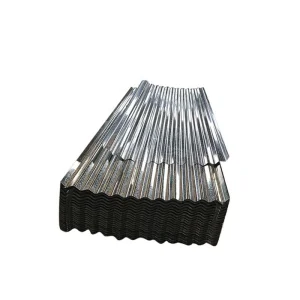
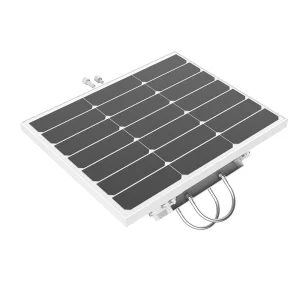
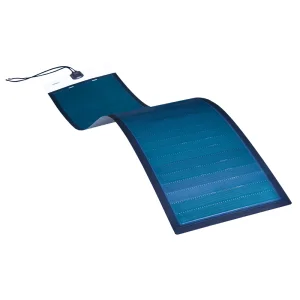
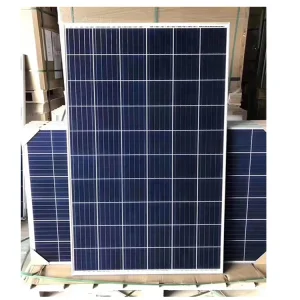
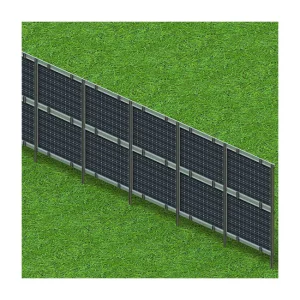
Explore our leading technological solutions, ranging from high-capacity residential modules to specialized architectural building-integrated photovoltaics (BIPV).
Ningbo GAF Solar Co., Ltd. stands at the forefront of the global energy transition as a premier Solar Panel Manufacturer | Monocrystalline, Bifacial & High Efficiency PV Modules. With deep engineering lineage based in Ningbo, China, we operate with a singular objective: to design, engineer, and export highly sophisticated photovoltaic modules that optimize levelized cost of energy (LCOE) across diversified environments.
Our products serve residential rooftops, commercial and industrial (C&I) campuses, agricultural projects, and utility-scale grids globally. Powered by state-of-the-art automation and strict adherence to international standards, GAF Solar bridges the gap between premium design customizability and high-volume, reliable manufacturing. Whether it's our ultra-lightweight flexible monocrystalline sheets or our 800W+ bifacial giants, each product encapsulates our relentless pursuit of solar cell efficiency and structural longevity.
In the highly competitive solar landscape, modern module architecture is defined by cell passivation, light capture, and thermodynamic optimization. GAF Solar systematically transitions beyond conventional P-type PERC technology to lead the implementation of N-type silicon architectures. This transition yields profound performance increases, minimizing degradation while securing a lower temperature coefficient.
Integrating Tunnel Oxide Passivated Contact (TOPCon) and Heterojunction (HJT) architectures to limit recombination loss, achieving cell conversion rates exceeding 25.5%.
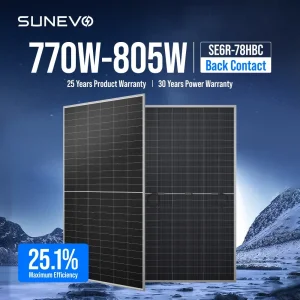
Deploying Back Contact (BC) layouts to eliminate front gridlines, boosting aperture efficiency and setting the foundation for future Perovskite-Silicon tandems.
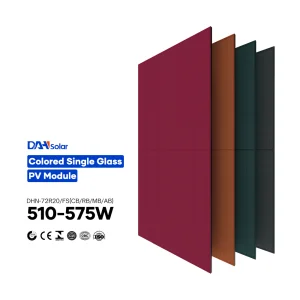
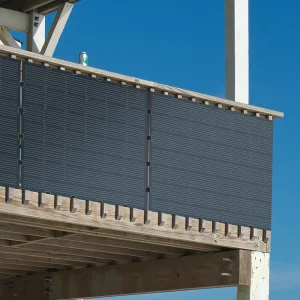
Translating passive building shells into active clean generators via color-matched, load-bearing building integrated PV (BIPV) layouts engineered for modern architecture.
GAF Solar modules minimize optical shading using Round Wire Ribbon (RWR) and multi-busbar (9BB to 18BB) technologies. These design practices shorten the path distance electrons travel, mitigating series resistance losses. Furthermore, our double-glass bifacial panels feature a high bifaciality factor (up to 85%), utilizing diffuse and reflected albedo light from the reverse side to generate up to 25% extra energy compared to traditional mono-facial panels.
No single PV design fits all contexts. GAF Solar systematically addresses global industrial challenges by customizing electrical layouts and physical architectures for diverse installation surfaces.
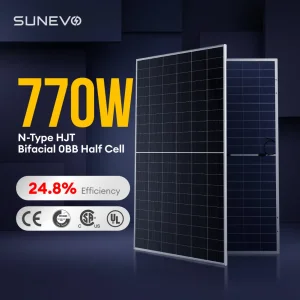
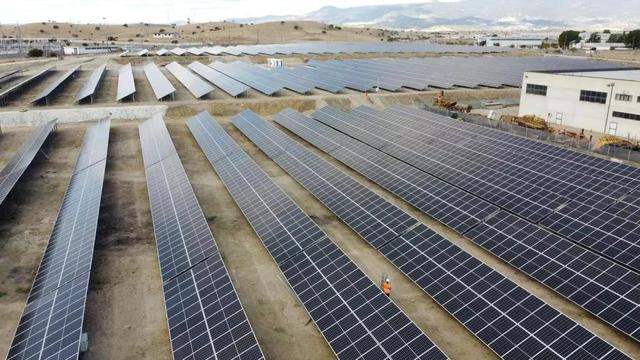
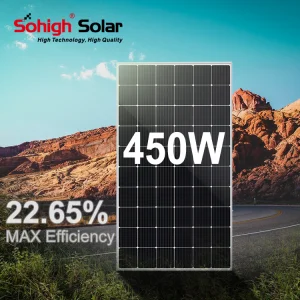
For large ground-mounted arrays and vast industrial rooftops, maximizing daily generation window while reducing racking and cabling expenses is key. Our ultra-high-capacity modules (up to 805W, N-type bifacial) optimize string configurations, enabling developers to run higher voltage arrays up to 1500V. This significantly reduces overall Balance of System (BoS) costs and speeds up installation timelines.
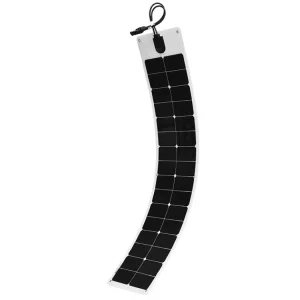
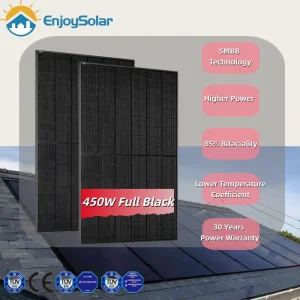
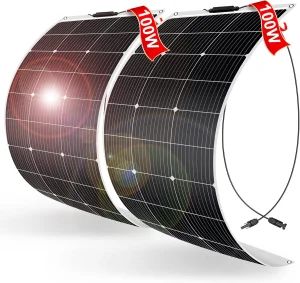
Residential urban areas demand premium visual integration and strict weight-bearing limitations. GAF Solar offers all-black monocrystalline modules that blend into modern roofs, maintaining clean lines while delivering high density outputs. Furthermore, our flexible ETFE-encapsulated arrays address low-load structural configurations like metal trapezoidal roofs and curved balconies without compromising system integrity.
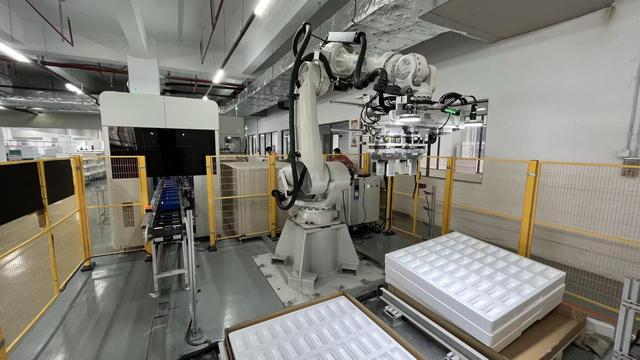
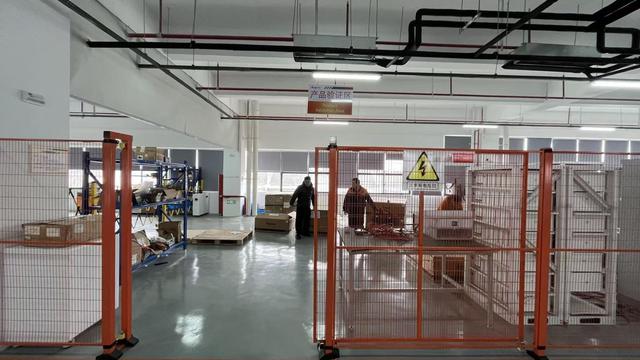
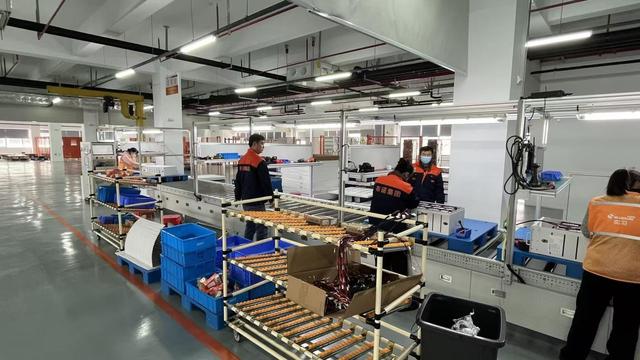
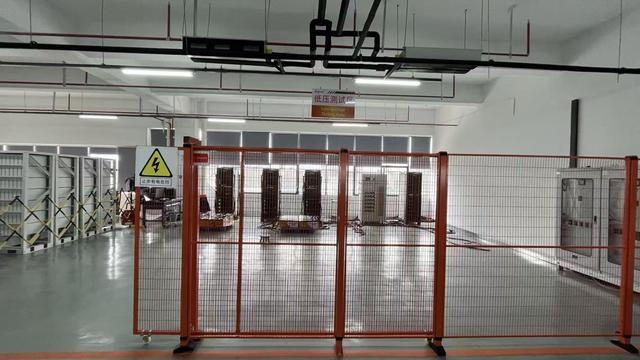
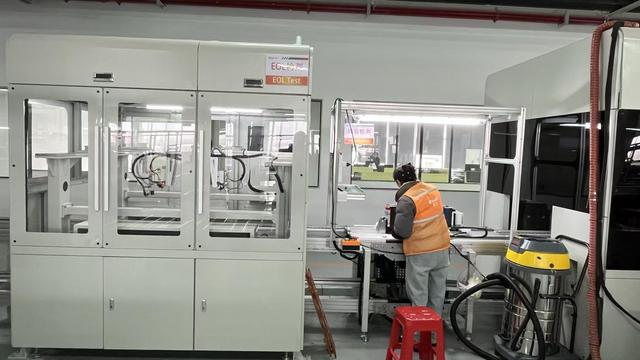
Our advanced manufacturing plants in Ningbo leverage vertical integration and high automation to maintain consistent product quality. By sourcing premium raw materials and utilizing fully automated robotic assembly lines, we optimize manufacturing tolerances to ensure high-performance reliability.
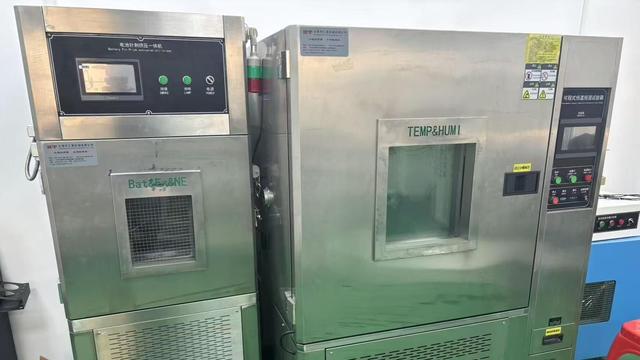
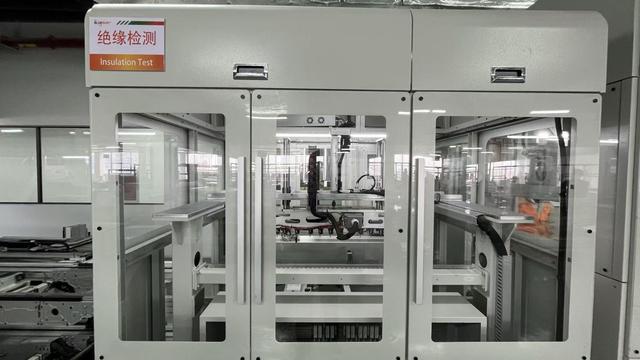
Every single GAF Solar module undergoes double Electroluminescence (EL) testing, ensuring micro-crack detection pre- and post-lamination, alongside flash testing calibration.
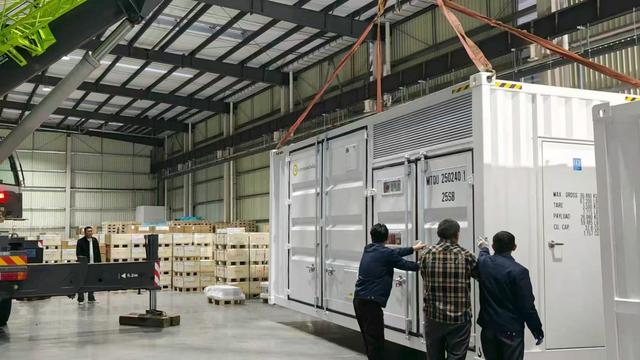
Located minutes from Ningbo-Zhoushan port, one of the world's busiest container hubs. This offers major logistics advantages, reducing transit damage and shipping costs.
From silicon ingots and backsheets to POE/EVA protective films and tempered glass, our components are trace-monitored through our MES factory software.
A solar panel design is only as viable as its ability to integrate with localized electrical networks and pass municipal code inspections. GAF Solar focuses heavily on compliance, ensuring our entire line of solar panel designs holds international standardizations (IEC 61215, IEC 61730, UL 1703, CE, MCS). This eases approval processes for engineering, procurement, and construction (EPC) contractors globally.
To combat local harsh weather conditions, our panels undergo dynamic mechanical load testing up to 5400Pa for snow load and 2400Pa for wind resistance. We use high-integrity encapsulant technology (EVA/POE) to protect cell grids from Potential Induced Degradation (PID) and LeTID. Our panels are also certified for salt-mist and ammonia corrosion resistance, making them ideal for coastal zones and agricultural applications.
We provide complete OEM/ODM solutions to streamline procurement for developers, distributors, and private brands. We tailor electrical outputs, sheet sizes, visual design profiles, and cable interfaces to match target specifications.
From all-black backsheets and custom frames to colored BIPV profiles, we align our product designs with specific aesthetic and architectural requirements.
Customized busbar designs, specialized junction box placement, and custom lead-wire configurations to simplify installation and optimize compatibility.
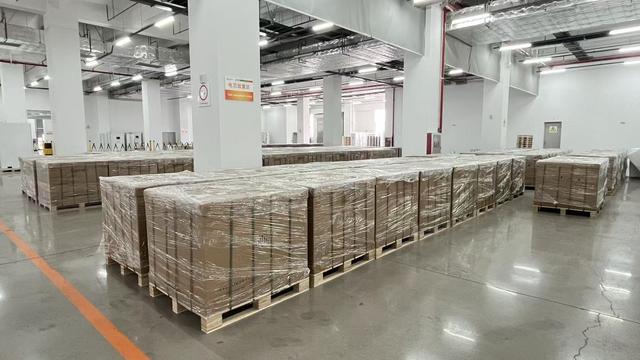
Vertical stack packing, reinforced corner guards, and humidity-controlled packaging protect modules during maritime and long-haul transport.
Get answers to critical technical questions regarding panel designs, warranties, efficiency metrics, and sourcing logistics.
N-type TOPCon (Tunnel Oxide Passivated Contact) cell designs feature zero Light-Induced Degradation (LID) compared to traditional P-type PERC structures. This is due to phosphorus doping, which eliminates the boron-oxygen defect. TOPCon modules offer higher bifaciality (up to 85%), a superior temperature coefficient (-0.30%/°C to -0.34%/°C), and greater power generation per unit area under low-light conditions, leading to higher long-term energy yields.
Our 30-year linear warranty guarantees that module power output degrades at a highly predictable, minimized rate over time. In year one, power output remains above 98% (with less than 2% degradation). From years 2 through 30, the annual power loss is capped under 0.45%. This ensures that at the end of the 30-year operational period, the panel retains at least 87.4% of its original nameplate capacity, protecting the investment's financial viability.
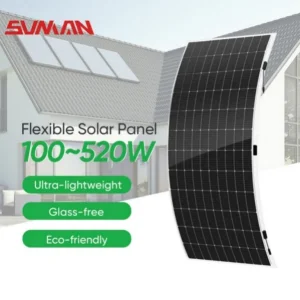
Yes, flexible panels are ideal for weight-sensitive or curved residential roofs where standard glass modules cannot be deployed. Weighing up to 70% less than traditional dual-glass modules, they can be directly bonded using peel-and-stick adhesive backings or secured with grommets. This setup reduces the mechanical load on the roof structure and eliminates the need for aluminum racking rails, saving installation time.
Our facilities are located near the Ningbo-Zhoushan port system, which streamlines exporting logistics. This proximity allows for direct factory-to-dock container packing, minimizing transport delays and extra handling. It also reduces inland freight costs, provides more flexible shipping schedules, and lowers overall freight rates for global shipments.
We perform two automated Electroluminescence (EL) inspections on every panel during manufacturing (pre- and post-lamination) to check for micro-cracks or grid anomalies. For transport, modules are packed vertically with protective corner caps and thick foam cushioning in heavy-duty, moisture-resistant crates. This setup prevents mechanical vibration and shock damage during maritime shipping, ensuring they arrive ready for installation.
Review our specialized solar product lines, engineered to meet specific performance and installation criteria across global projects.
 GAF Solar