Direct supply options featuring cutting-edge photovoltaic configurations, customized OEM manufacturing, and superior albedo performance.
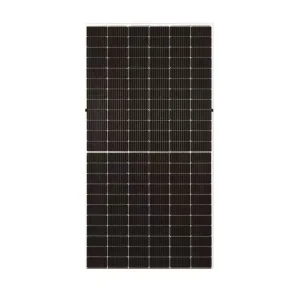
BX-1 All Black Polycrystalline Silicon PV-Thermal Integrated Machine (585W) Dual Energy Hot Water Power Solar Panel 125mmx125mm
Explore Product Details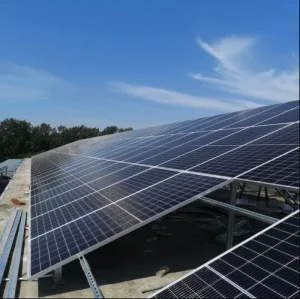
Factory Direct Sale Cheap Price Commercial Aluminum Waterproof Outdoor High Quality Portable Solar Panel
Explore Product Details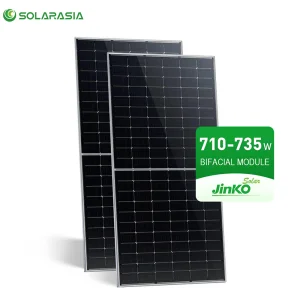
Jinko n Type Solar Panels 710 w 715w 720 w 725w 730w 735w Topcon Bifacial Monocrystalline Solar Panel for Rooftop
Explore Product Details
BIPV Solar Panels for House Roof Photovoltaic Sunroom Double Glass CdTe 320W High Efficiency 1.92m D-JD01
Explore Product Details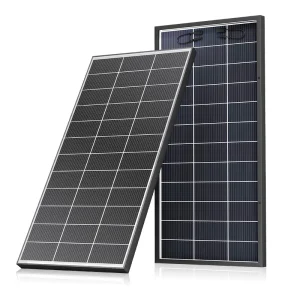
Cheap Powerful Complete Solar Panels Bifacial Solar Panel China Home Use PV Module Bifacial Solar Power Panel for Home
Explore Product Details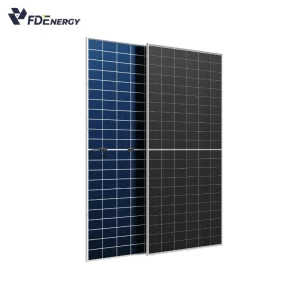
Manufacture 720w Double Glass Bifacial Solar Power Panel Topcon Support Oem Solar Pv Module Solar Panels for Industrial Use
Explore Product Details
Envoltura Pvc Grado Alimentici 12inch*2000ft APTO PARA CONTACTO CON ALIMENTOS Extra Grande PELICULA PLASTICO ADHERENTE
Explore Product Details
off Grid Mono PV Module Solar Panel Generator Field Exploration Power Station
Explore Product DetailsAnalyzing E-E-A-T factors, decarbonization indices, and technological integration across top-tier clean energy production facilities.
The global energy landscape is undergoing an unprecedented structural transition. Volatility in fossil fuel markets, coupled with urgent mandates to restrict global warming within 1.5°C above pre-industrial levels, has propelled solar photovoltaics (PV) to the forefront of global utility and commercial power strategies. Historically, evaluating solar technology was restricted to calculating the Levelized Cost of Energy (LCOE). Today, a holistic paradigm shift has taken place: modern procurement managers look beyond raw power production, prioritizing the carbon footprint of the manufacturing cycle, supply chain traceability, and the circular economy footprint of the components.
In this new era, "Eco-Friendly" is no longer a marketing euphemism. It refers to highly quantifiable indicators, including Cradle-to-Gate Life Cycle Assessments (LCA), Embodied Carbon Metrics, and adherence to restricted-substance standards (such as RoHS and REACH). Tier-1 manufacturers and top-tier OEM suppliers are integrating closed-loop waste recycling, water stewardship schemes, and green logistics hubs to ensure the solar components themselves do not compromise the decarbonization objectives of the projects they power.
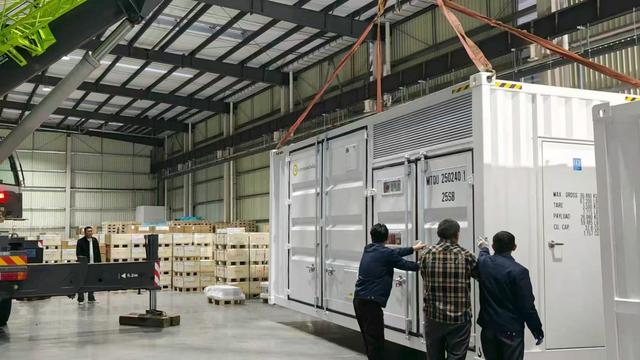
Positioned strategically within Ningbo, China—one of the world's premier shipping and technological logistics corridors—Ningbo GAF Solar Co., Ltd. stands as a benchmark for high-efficiency solar panel manufacturing. The factory specializes in the research, development, and scalable production of monocrystalline silicon, high-efficiency bifacial modules, and tailor-made building-integrated photovoltaics (BIPV).
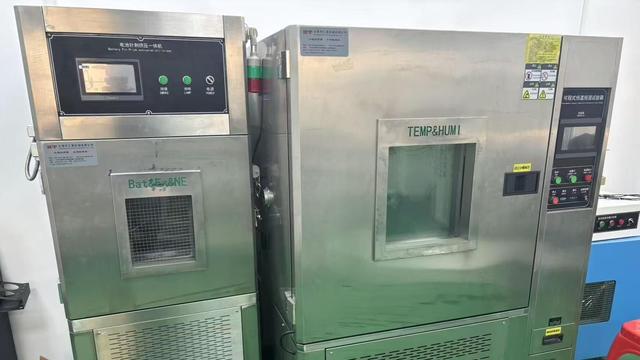
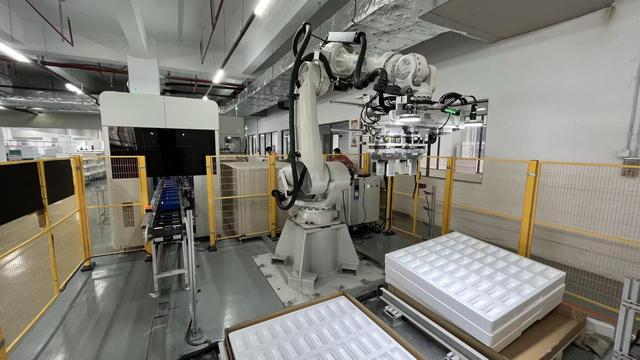
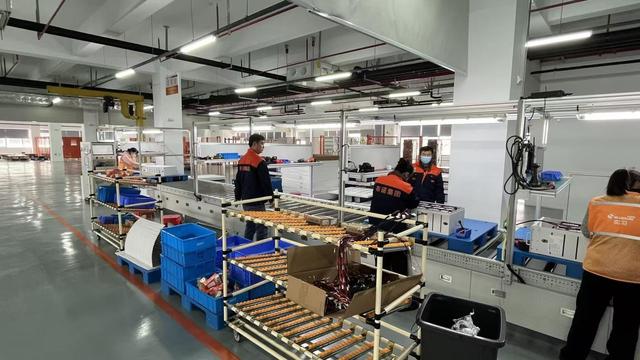
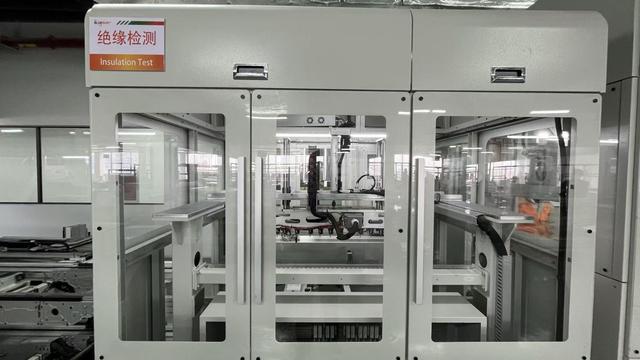
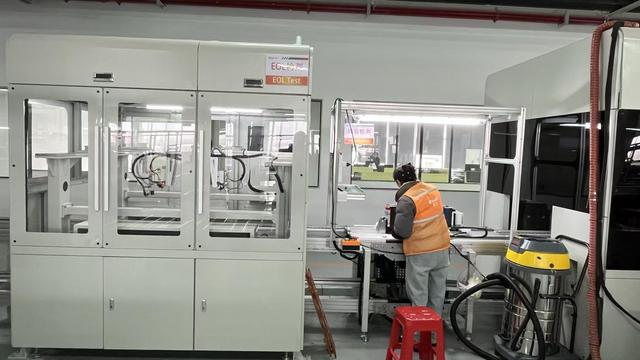
GAF Solar's manufacturing infrastructure incorporates automated assembly systems, advanced robotic soldering, non-destructive laser cutting, and triple-stage Electroluminescence (EL) inspections. By implementing real-time quality control at every phase of the ingot-to-module pipeline, the facility minimizes micro-cracks and guarantees long-term resistance to Potential Induced Degradation (PID) and Light Induced Degradation (LID).
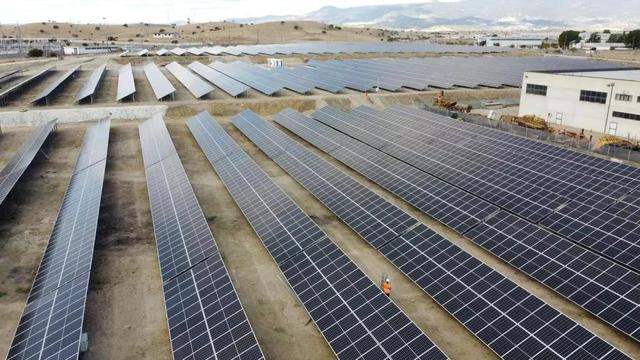
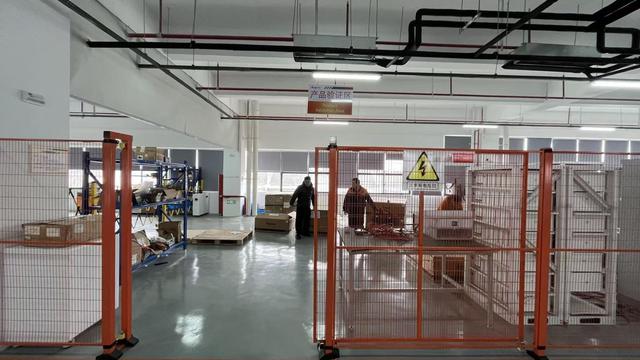
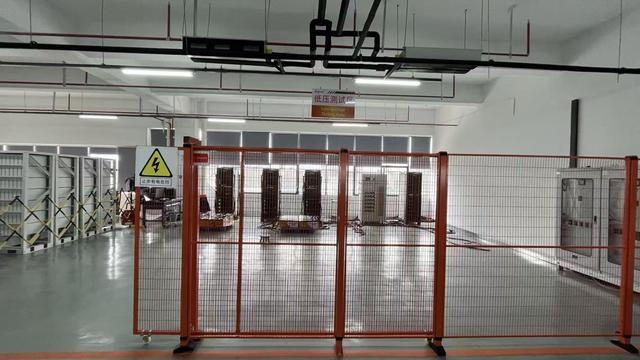
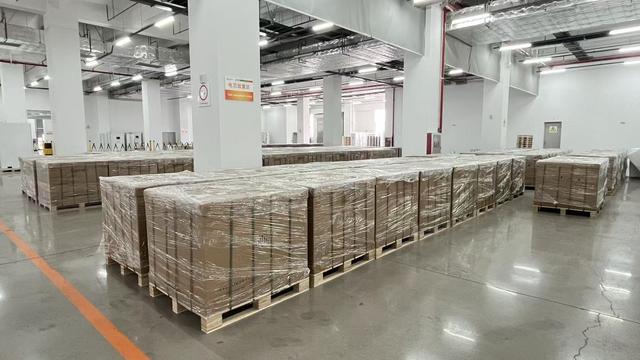
The following gallery illustrates the state-of-the-art production environments, precision alignment systems, warehouse logistics, and quality assurance divisions deployed by GAF Solar:
The photovoltaic industry has rapidly completed its transition from p-type PERC (Passivated Emitter and Rear Cell) structures to n-type technologies. This transition is motivated by physical limits: p-type cells face intrinsic limitations in efficiency capping around 24.5%, and they suffer from Boron-Oxygen defect-induced degradation. By pivoting to n-type substrates (doped with Phosphorus instead of Boron), factories have effectively eliminated Light-Induced Degradation (LID), yielding solar cells with higher conversion ceilings and lower temperature coefficients.
Tunnel Oxide Passivated Contact (TOPCon) introduces an ultra-thin silicon oxide tunnel layer followed by highly doped polycrystalline silicon. This drastically reduces surface recombination, pushing industrial module efficiencies beyond 22.5% - 23.5% and maintaining excellent low-light response curves.
By combining crystalline silicon with amorphous silicon thin films, HJT achieves high open-circuit voltages (Voc) and a superior temperature coefficient (-0.26%/°C). The symmetrical structure makes HJT ideal for high-albedo bifacial applications.
Building-Integrated Photovoltaics (BIPV) utilize materials like Cadmium Telluride (CdTe) or tailored crystalline silicon glazed tiles. These elements replace traditional building facade materials, transforming skyscrapers and roofs into active power generators.
Procuring solar modules on an industrial scale requires navigate a complex web of international policies. Large-scale utility projects in Europe, North America, and parts of Asia are bound by stringent environmental and labor supply-chain guidelines. The European Union's Carbon Border Adjustment Mechanism (CBAM) and corporate ESG reporting mandates demand that suppliers offer transparent documentation regarding the origin of raw polysilicon, metallurgical grade silicon, and local carbon output during production.
When evaluating suppliers, global purchasing officers look for specific certifications to mitigate operational risk:
Standard solar designs do not fit every deployment scenario. Commercial buildings with load-restricted roofs require lightweight, frameless, or flexible monocrystalline options that conform to curved structures. Similarly, heavy-duty industrial parks benefit from bifacial dual-glass setups that leverage ground albedo reflectivity (yielding up to 25% additional power from the backside of the panel).
Additionally, PVT (Photovoltaic-Thermal) hybrid setups represent a significant leap forward in co-generation. By capturing thermal energy from the rear of the solar cell to heat water, these integrated machines lower the operating temperature of the PV junction. This increases electrical conversion efficiency while simultaneously generating thermal output for space heating or industrial process water.
The decade ahead belongs to high-density integration. Over the next five years, the solar industry expects to commercialize Perovskite-Silicon Tandem Cells, aiming for laboratory conversion efficiencies above 30%. Tandem configurations layer a perovskite thin-film cell over a silicon base, capturing blue light wavelengths at the top layer while allowing red and near-infrared wavelengths to pass through to the silicon base below.
Concurrently, microgrid integration and smart power electronics will play a defining role. Suppliers are increasingly partnering with battery storage integrators to bundle high-efficiency modules with high-voltage lithium iron phosphate (LFP) energy storage systems. This changes the PV system from an intermittent generator into a dispatchable, baseload clean energy asset.
This technical FAQ addresses key questions for project engineers, procurement managers, and developers sourcing high-efficiency eco-friendly solar equipment:
Optimized solutions for off-grid operations, residential installations, and architectural modifications requiring flexible materials.
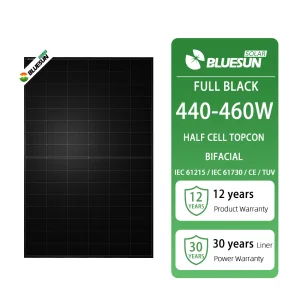
Bluesun Solar Panels Full Black Panel Eu Stock 450W 455W 460W 465W 470W All Black Pv Bifacial Glass Solar Panels With Battery
Explore Product Details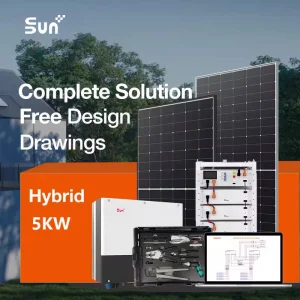
SUNPLUS 15KW On-Grid Bifacial Solar System 580W Solar Panels 23.4% Efficiency Anodized Aluminum Alloy Frame Battery Storage for
Explore Product Details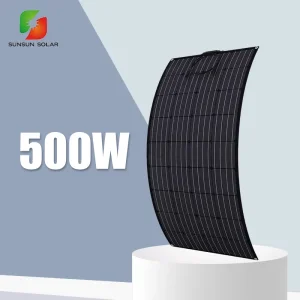
500W 520W 40V ETFE Flexible Frameless Full Black Monocrystalline Silicon Solar Panel for Balcony RV Boat for Outdoor Use
Explore Product Details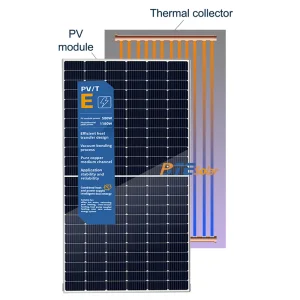
BTE High Efficiency Photovoltaic Thermal Pvt Hybrid Solar Panel for 450W to 1000W
Explore Product Details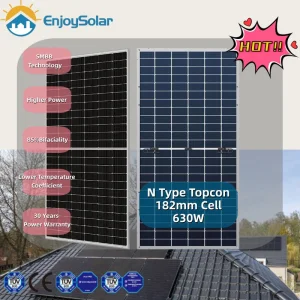
Longi Solar Panel Price N Type Topcon 590W 600W 615W 630W Bifacial for Ground Mounted Solar Power System
Explore Product Details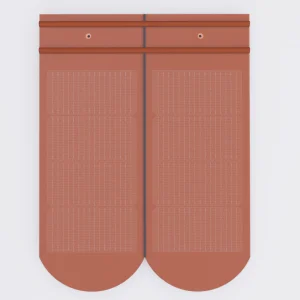
SANGNI Wholesale BIPV 25W Solar Roof Panels System Solar Roof Tiles With Panel Fixings
Explore Product Details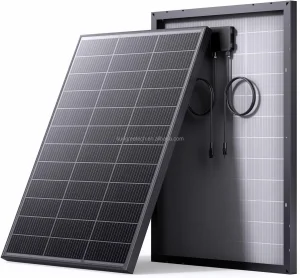
Solar Panels 100 Watt 12 Volt High-Efficiency Monocrystalline PV Module Power Charger for RV Marine Rooftop Farm Battery
Explore Product Details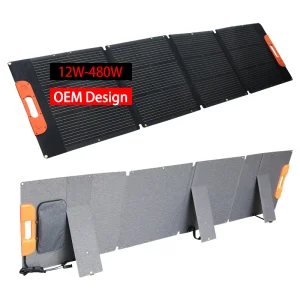
220W Outdoor Portable Foldable Solar Panels Solar Panels Portable Folding Solar Panel Portable for Camping/Outdoor
Explore Product Details GAF Solar