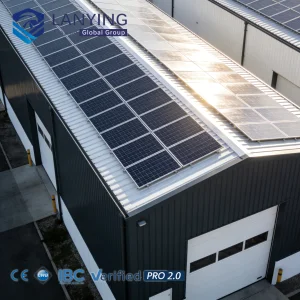
Explore our premium collection of energy efficiency products engineered by Ningbo GAF Solar Co., Ltd. for modern residential, commercial, and utility-scale projects.
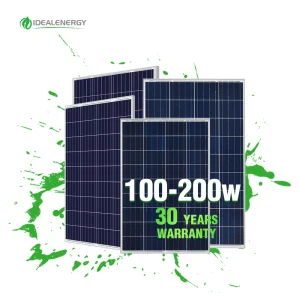
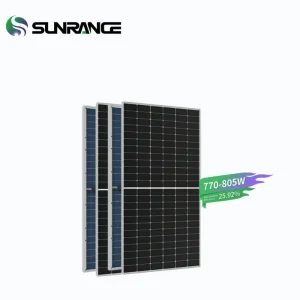
Ningbo GAF Solar Co., Ltd. is a globally distinguished Solar Panel Manufacturer, specializing in the development of Monocrystalline, Bifacial & High-Efficiency PV Modules. Dedicated to offering advanced renewable solutions, we support commercial developers, residential homeowners, and utility operators across five continents.
Based in the manufacturing powerhouse of Ningbo, China, GAF Solar integrates automated product assembly lines with multi-tier optical quality inspections. Our technological catalog covers monocrystalline modules, high-density bifacial systems, flexible and rollable thin-film panels, and innovative PVT (Photovoltaic Thermal) collectors. Through rigorous engineering, our systems achieve high weather durability, extreme mechanical resilience, and class-leading conversion metrics designed to reduce levelized cost of energy (LCOE).
China's photovoltaic manufacturing ecosystem represents the absolute peak of modern technological scale, supply integration, and quality assurance workflows. Ningbo GAF Solar Co., Ltd. combines these domestic advantages with premium engineering practices to deliver unmatched value to global procurement officers.
From polysilicon purification and monocrystalline ingot pulling to wafer slicing, glass tempering, and automated module assembly—our regional ecosystem in Ningbo, China ensures that raw material volatility is suppressed. This integration yields stable lead times and protects partners from erratic market disruptions.
Operating from Ningbo, one of the world's premier deep-water shipping terminals, enables us to lower transport costs, minimize port delays, and manage container logistics directly. This translates to reduced localized transit damage and streamlined Customs clearance pathways.
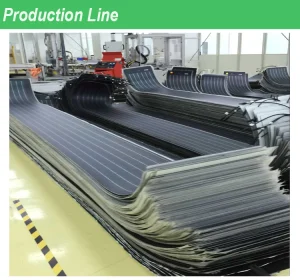
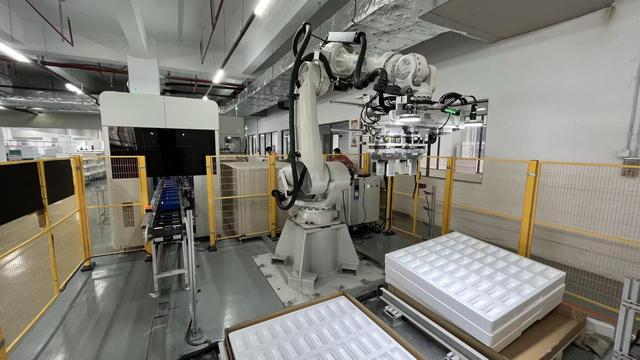
Advanced Chinese production lines leverage robotic stringing, non-destructive laser cutting, and double-electroluminescence (EL) testing to detect micro-cracks before lamination. GAF Solar maintains a zero-tolerance policy for micro-defects, ensuring structural consistency.
Industrial solar energy has shifted from standard ground-mounted panels to application-specific setups that integrate with building structures, vehicles, and thermal recovery loops.
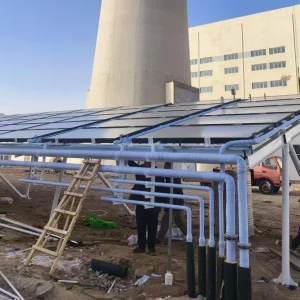
Photovoltaic-Thermal (PVT) panels represent the pinnacle of space-saving efficiency. The Lebria PVT Hybrid System combines electricity generation with a hydronic heat exchanger. By pumping heat-transfer fluid behind the silicon cells, the system extracts excess heat. This dual-action mechanism cools the PV cells (restoring their voltage curves) while simultaneously delivering domestic hot water at over 55°C, yielding up to 300% more total energy per square meter than standard PV modules.
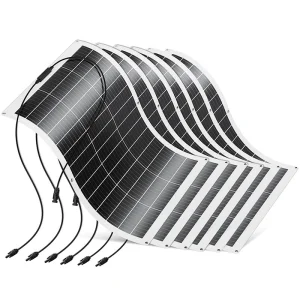
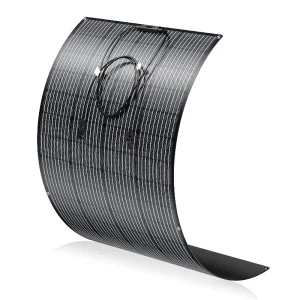
Commercial roofing structures frequently suffer from load-bearing limitations that prevent traditional glass panel installations. Our FLEX Adhesive Thin-Film Panel line and rollable amorphous silicon units resolve this engineering constraint. Weighing under 3 kg/m² and utilizing high-bond butyl adhesive backing, these modules apply directly to TPO or EPDM roofs without structural penetration. This minimizes installation labor and completely preserves the underlying waterproofing layers.
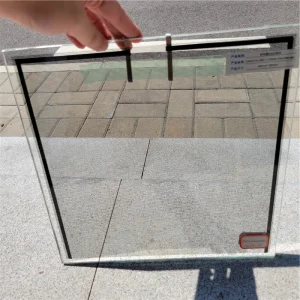
Building Integrated Photovoltaics (BIPV) are reshaping modern facade engineering. By embedding micro-patterned monocrystalline cells or semi-transparent thin-films between architectural glass layers, our see-through glass modules transform windows, skylights, and glass curtain walls into clean power assets without sacrificing daylight entry or building aesthetics.
Empowering partners through optimized manufacturing, reliable engineering support, and customizable product catalogs.
No single energy solution fits all environments. GAF Solar configures systems for specific spatial, structural, and climatic applications.
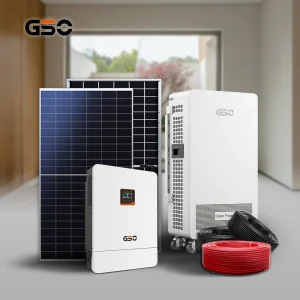
Large-scale industrial plants deploy on-grid solar systems to reduce expensive peak electricity bills. By pairing high-output modules (like the Sunrange 800W) with prefabricated warehouse structures, enterprises create zero-emission manufacturing facilities, qualifying for regional green energy tax credits.
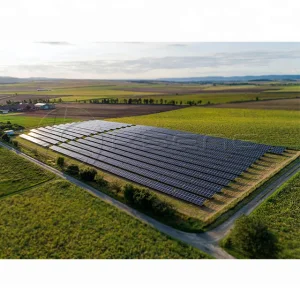
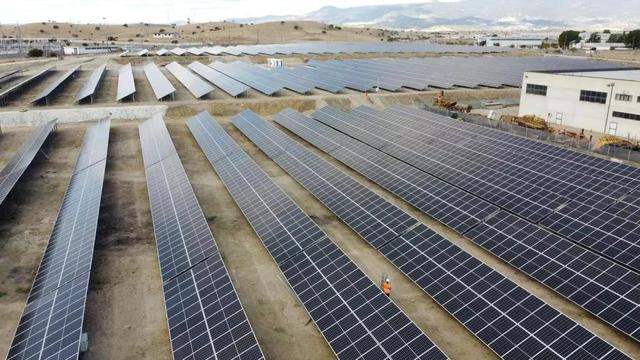
Dual-use land configurations are key for farming regions. Our 1 MW Agricultural PV Mounting Systems allow solar panels to be elevated, leaving enough clearance for tractors, livestock grazing, and crop growth. The panels provide partial shade, which reduces water evaporation, boosting agricultural yields while generating clean energy.
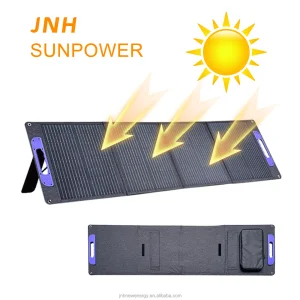
For RVs, marine yachts, and remote locations, lightweight and waterproof monocrystalline panels provide complete off-grid reliability. Combined with smart lithium battery kits, these modules offer durable, self-sustaining power for off-grid operations in harsh environments.
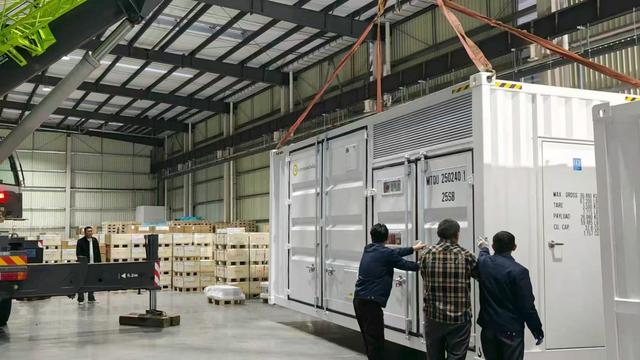
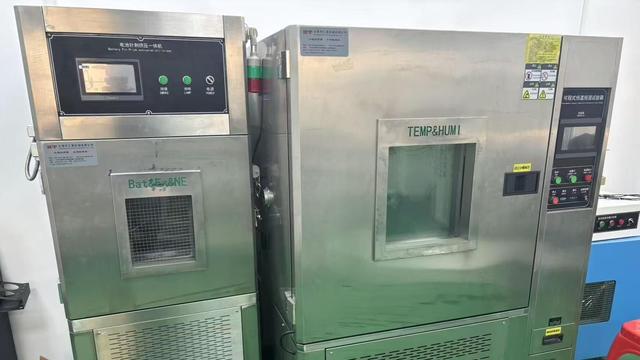
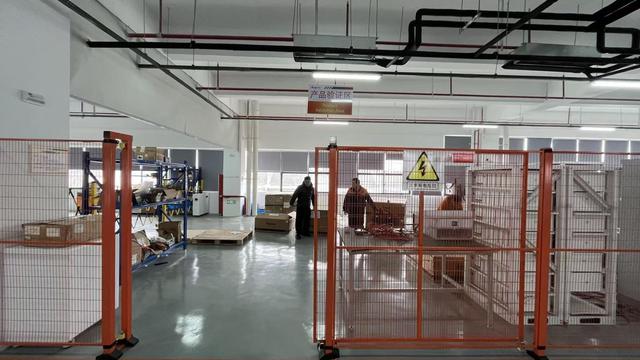
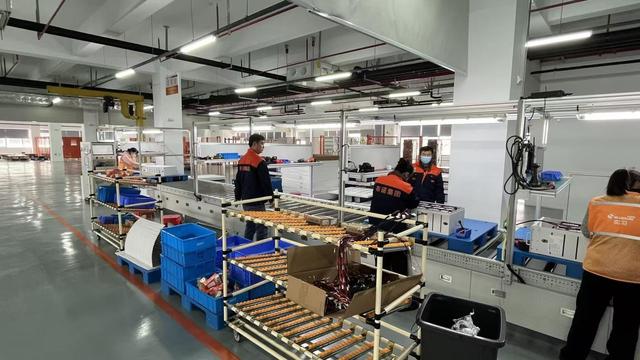
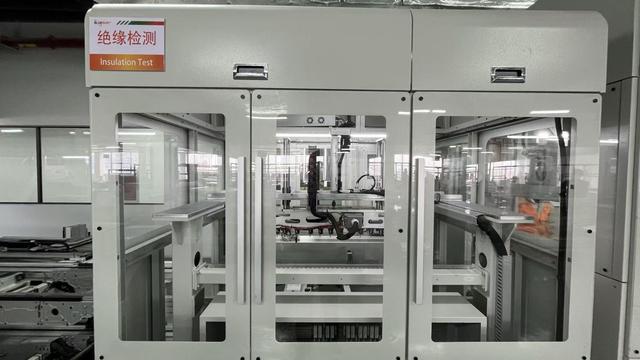
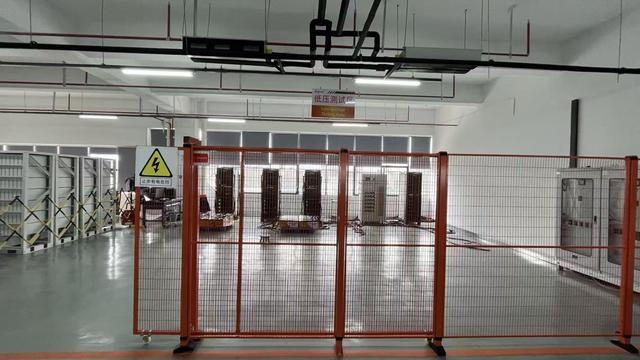
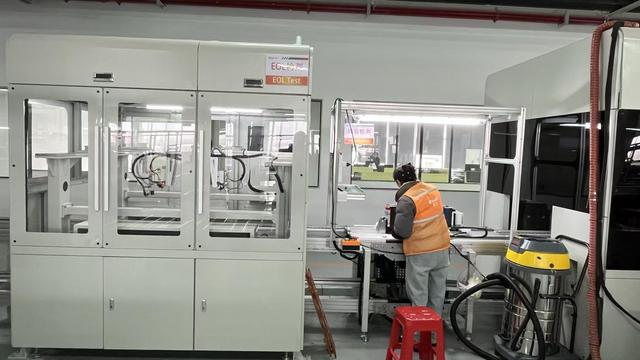
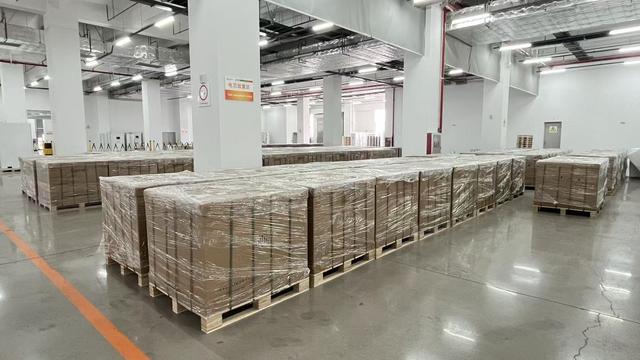
Reliability is earned through disciplined manufacturing protocols. GAF Solar’s advanced facility features automated stringers, high-pressure lamination, and automated optical testing. Every manufacturing step is strictly documented to support our 25-year performance warranties.
Providing transparent, technical, and practical insights to assist project managers and sourcing directors.
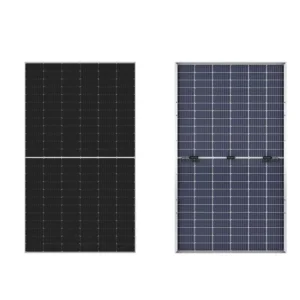
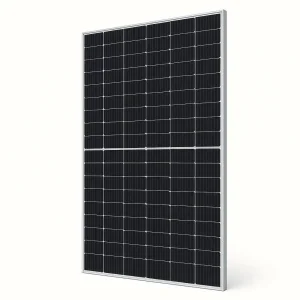
A: N-type Topcon cells are doped with phosphorus, which makes them immune to Light Induced Degradation (LID). They also feature a lower temperature coefficient (-0.30%/°C) and a higher bifaciality factor (up to 85%), delivering greater energy yield over their service life, especially in high-temperature or low-light conditions.
A: Yes. Our FLEX adhesive panels feature a factory-applied butyl-based self-adhesive backing. They can be bonded directly onto flat TPO, EPDM, or asphalt roofs once the surface is clean. This installation method requires no mechanical penetrations, completely avoiding the risk of roof leaks while lowering installation times and labor costs.
A: A Photovoltaic-Thermal (PVT) module combines PV electricity generation with water heating. Solar panels lose conversion efficiency as they heat up. The back-mounted hydronic exchanger in a PVT module absorbs this heat, cooling the solar cells to help maintain peak electrical output. Simultaneously, the collected heat energy warms water for industrial, commercial, or domestic use.
A: Our products undergo testing to withstand mechanical loads up to 5400 Pa (front snow load) and 2400 Pa (rear wind load). Our marine-grade flexible and monocrystalline modules are treated to prevent salt-mist, ammonia, and PID (Potential Induced Degradation) issues, ensuring reliable performance in coastal environments.
A: Yes. We offer comprehensive OEM and ODM services. We customize dimensions, frame colors, junction box layouts, wire lengths, and electrical output profiles to meet the specific requirements of EPC contractors, distributors, and private brands.
A: Every module undergoes two electroluminescence (EL) tests—once before lamination and once after final assembly—to ensure there are no micro-cracks. We also perform IV-curve tests and high-voltage isolation tests. All systems ship with comprehensive test reports to ensure complete accountability.
Discover our high-efficiency industrial kits, portable generators, BIPV transparent glass modules, and structural energy-saving building designs.
 GAF Solar