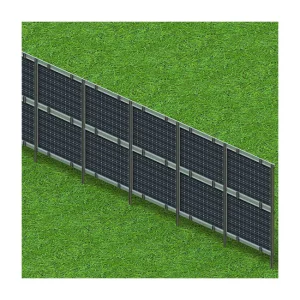
Explore our foundational photovoltaic modules, hybrid storage arrays, and precision structural mounting solutions designed for multi-tier configurations.
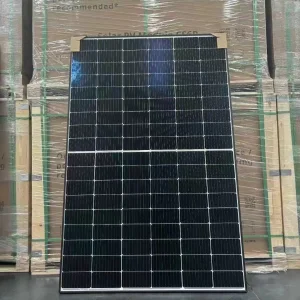
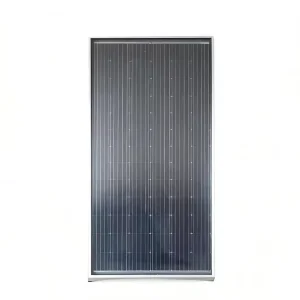


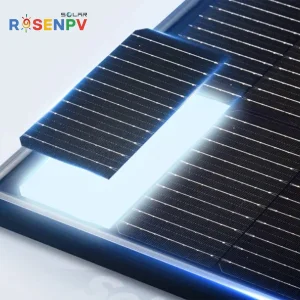
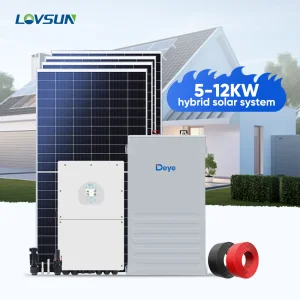
As a global energy paradigm transition gathers unprecedented momentum, the demand for high-efficiency, tier-1 standard infrastructure becomes paramount. Ningbo GAF Solar Co., Ltd. stands at the forefront of this industrial transformation. We are a professional, vertically integrated Solar Panel Manufacturer specializing in Monocrystalline, Bifacial, & High-Efficiency PV Modules, dedicated to delivering state-of-the-art clean energy solutions for residential, commercial, industrial, and large utility-scale applications globally.
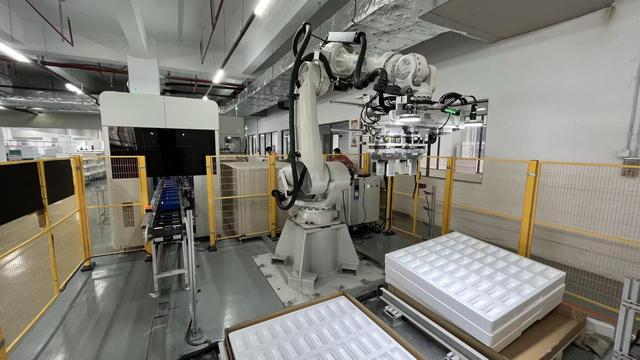
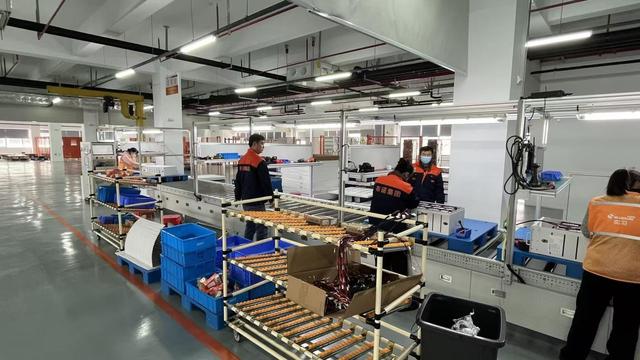
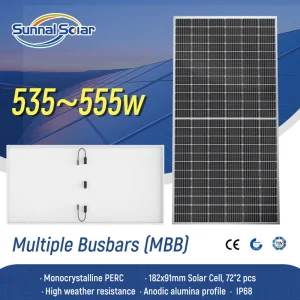
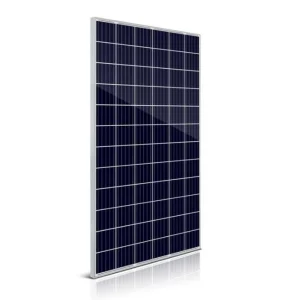
Based in the manufacturing and logistics hub of Ningbo, China, GAF Solar operates highly automated facilities built in alignment with Industry 4.0 paradigms. Our production lines feature multi-busbar (MBB) positioning system arrays, non-destructive laser cutting configurations, and full-spectrum EL (Electroluminescence) testing systems. By utilizing premium-grade solar cells, advanced encapsulants, and robust physical frameworks, our monocrystalline and bifacial portfolios yield outstanding power output densities, high weather resistance, and minimized degradation parameters over an extended operational life cycle.
"Our technological core revolves around lowering the Levelized Cost of Energy (LCOE) for project developers while maximizing lifetime returns across diverse climatic conditions—ranging from high-humidity coastal zones to hyper-arid desert regions."
Through robust investment in R&D, GAF Solar supplies customized OEM and ODM services to global distributors, EPC contractors, utility developers, and private-label brands. From initial layout design and technical configuration mapping to high-volume manufacturing, ISO-compliant quality inspections, and complex international logistics coordination, we ensure seamless supply chain resilience for modern, green field, and brownfield deployments.
Analyzing key structural shifts in global grids, energy policies, and technological solutions driving decarbonization.
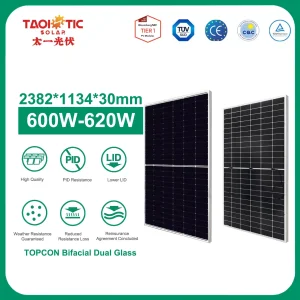
Global utility companies are accelerating transition plans from thermal generation to high-power PV generation. Transitioning to N-Type TOPCon and Bifacial configurations ensures that energy capture is maximized from both direct sunlight and ground albedo, bringing down the Levelized Cost of Energy (LCOE) and optimizing return on investment (ROI).
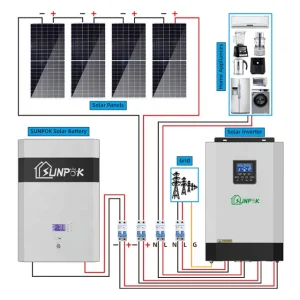
As grid connection bottlenecks grow, commercial and industrial (C&I) properties are pairing solar installations with energy storage systems (BESS). Hybrid solutions bypass grid constraints, capture surplus energy during peak solar noon, and discharge during high-tariff evening hours, securing power autonomy and operational reliability.
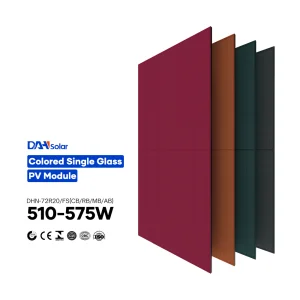
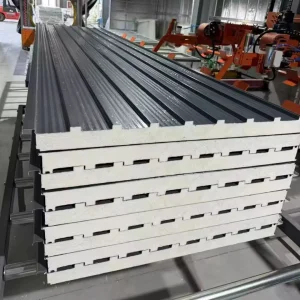
Building-Integrated Photovoltaics (BIPV) convert traditional envelope structures, such as roofs, walls, and fences, into active power generators. The use of specialized glazed thermal glass modules and colored PV panels allows architects to fulfill net-zero building directives while maintaining high architectural design aesthetics.
Corporate sustainability officers and EPC (Engineering, Procurement, and Construction) leaders operate in a highly dynamic regulatory and structural environment. Transitioning to renewable platforms is no longer merely a corporate social responsibility (CSR) directive; it is a critical operational hedge against volatile energy prices. However, key vulnerabilities remain across project development lifecycles.
Specifically, developers face challenges around supply chain tracing, varying tariff structures (such as anti-dumping duties and localized manufacturing requirements), and site-specific structural issues. For instance, high-latitude commercial projects require modules optimized for low-light performance, while desert installations demand PID (Potential Induced Degradation) resistance and resilient anti-soiling coatings. Understanding these nuances is why GAF Solar designs systems that address mechanical strength, electrical longevity, and thermal stability in unison.
The solar sector is currently executing a fundamental shift in cell chemistry. P-type silicon wafers, which dominated the market for over a decade, are rapidly approaching their theoretical efficiency threshold of 24.5%. N-type technologies, primarily Tunnel Oxide Passivated Contact (TOPCon) and Heterojunction (HJT), present structural advantages including a near-zero Light Induced Degradation (LID) rate and a lower temperature coefficient (-0.30%/°C compared to P-type’s -0.35%/°C).
This temperature coefficient advantage translates into higher output in hot climates. Furthermore, N-type cells offer bifaciality factors up to 85%, allowing developers to generate significantly more electricity from the rear side of the module when installed on high-reflective surfaces like white gravel, concrete, or snow. By using N-type configurations, GAF Solar modules reduce overall system BOS (Balance of System) costs, requiring fewer mounting structures, cables, and combiners for the equivalent energy footprint.
For spatial constraints where traditional ground-mounted systems are impractical, innovative engineering applications must be deployed:
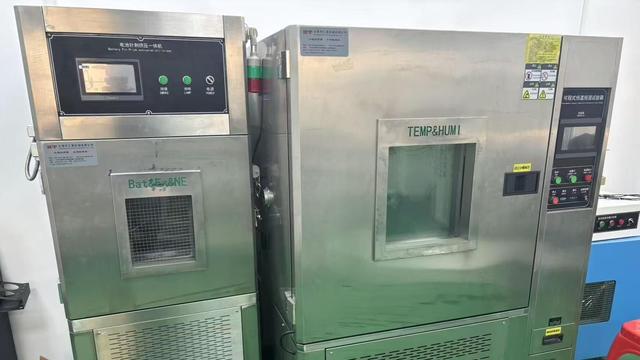
To enter international markets, compliance is key. Ningbo GAF Solar maintains rigorous quality testing frameworks in line with IEC 61215 and IEC 61730 guidelines. Our products undergo rigorous testing protocols including triple-standard damp heat testing, thermal cycling, and mechanical loading. In addition, we coordinate with local testing laboratories to secure CE, TUV, UL, MCS, and clean energy certifications to streamline regional grid interconnection processes. Our tracking policies also support trace-back transparency to ensure all silicon inputs meet global supply-chain compliance demands.
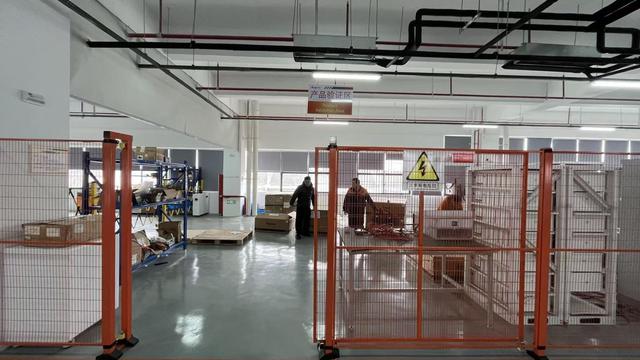
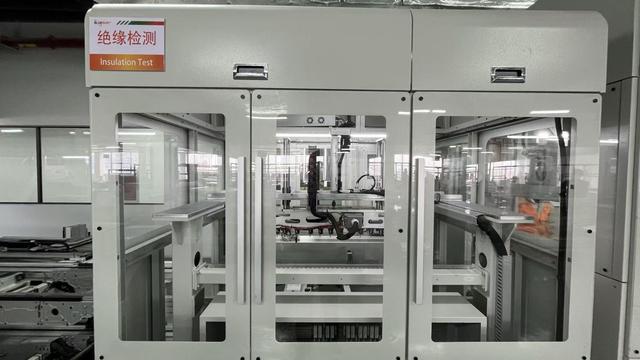
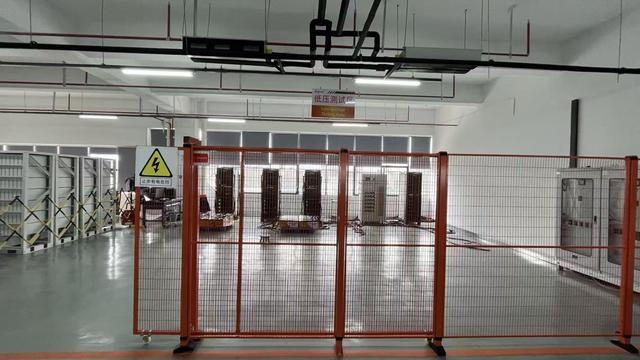
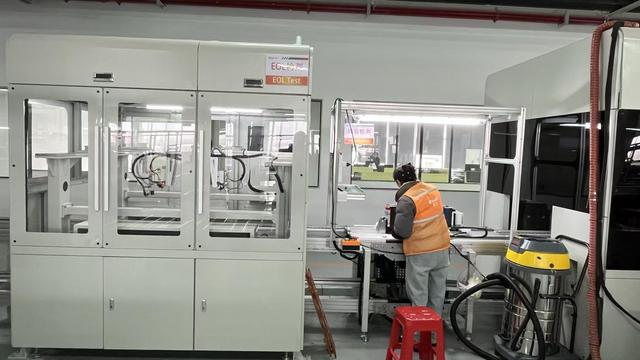
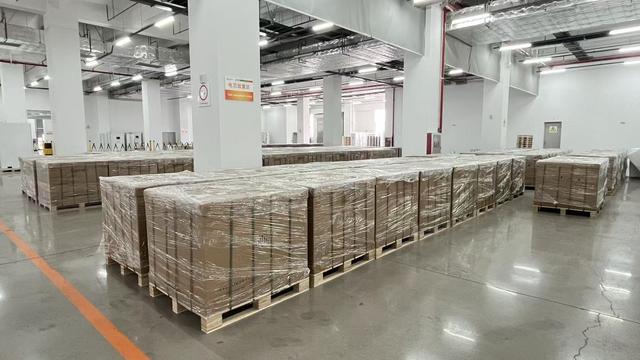
Direct view inside our automated cell stringing, lamination, and quality control processes based in Ningbo, China.
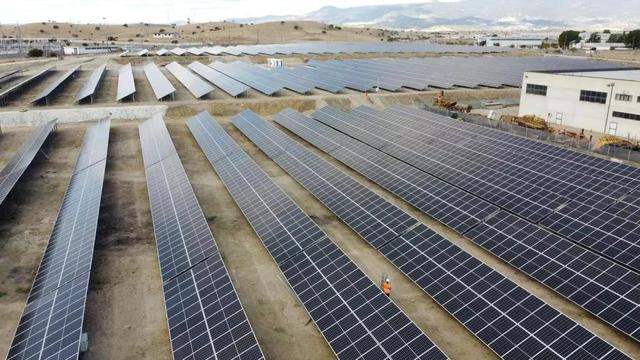
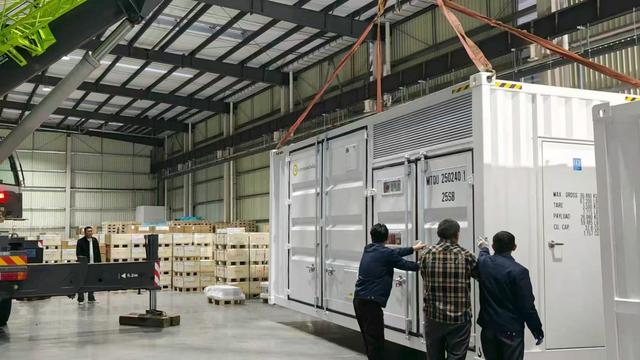
A strategic vision detailing cell efficiency benchmarks, material science upgrades, and smart grid orchestration protocols over the next decade.
The industry's ultimate efficiency leap lies in stack technology. Combining low-cost, high-bandgap Perovskite top layers with N-Type Silicon bottom layers allows cells to capture different spectra of sunlight, elevating laboratory efficiency thresholds beyond 30% while retaining structural reliability.
Future iterations prioritize sustainable manufacturing pipelines. By adopting lead-free materials, fluorine-free backsheets, and circular recycling structures, GAF Solar ensures that modules are easily recycled at the end of their 30-year operational lifespan, reducing downstream environmental footprints.
Next-generation commercial systems integrate with cloud management systems to form Virtual Power Plants. By leveraging AI prediction models for battery health, real-time demand response, and grid-arbitrage, clean energy nodes contribute dynamically to regional grid stabilization while maximizing asset yields.
Addressing core mechanical, performance, and commercial concerns for international developers and EPC agencies.
A: N-type TOPCon (Tunnel Oxide Passivated Contact) cells use phosphorus-doped silicon substrates, which eliminate Light Induced Degradation (LID) caused by boron-oxygen complexes. This leads to a lower temperature coefficient (-0.30%/°C vs -0.35%/°C for P-Type), a higher bifaciality factor (up to 85%), and improved performance under low-light conditions. This directly lowers the Levelized Cost of Energy (LCOE) and enhances energy generation over time.
A: Our OEM and ODM structures support customized cell dimensions, special glass surface treatments, varied structural backsheets, custom frame colors (such as full-black designs), and tailored cable configurations. We also supply custom-configured mounting systems and integrated inverter-battery combinations to streamline local system design and implementation.
A: Standard PV panels convert roughly 15-22% of sunlight into electricity, with the rest lost as heat. PVT modules integrate a thermal heat exchanger underneath the solar cells. This system extracts thermal energy to heat water or assist heat pumps, boosting total energy efficiency to around 80% and cooling the PV cells to optimize their electrical output.
A: Every batch of GAF Solar modules undergoes a strict quality control sequence. This includes triple electroluminescence (EL) imaging inspections, flash testing for output calibration, and regular laboratory testing for thermal cycling, mechanical loads (5400 Pa front / 2400 Pa rear), damp heat exposure, and PID (Potential Induced Degradation) resistance.
A: Operating from Ningbo, China, GAF Solar has direct access to one of the world's largest container shipping ports. We handle transport logistics, custom documentation, export compliance, and offer local warehousing in key international hubs to facilitate rapid delivery times for distributors and EPC developers.
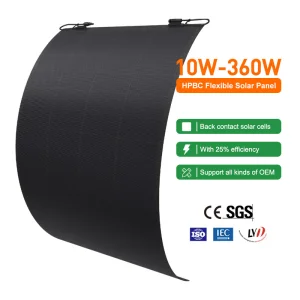
Explore our high-output residential solar panel systems, flexible modules, and aesthetic building-integrated solutions.
 GAF Solar