Explore our highly certified, high-wattage monocrystalline and flexible photovoltaic solutions optimized for global off-grid distribution.
Analyzing key microgrid paradigms, Levelized Cost of Energy (LCOE) targets, and international market expansion strategies.
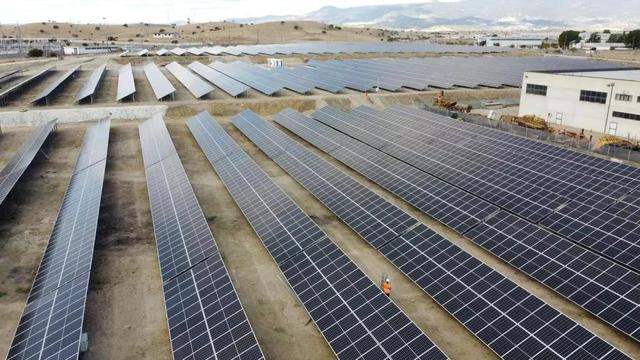
Worldwide energy consumption profiles indicate an unprecedented acceleration in the demand for off-grid electrification. Industrial activities situated in remote geographies—such as mining compounds, maritime transport lanes, telecommunication clusters, and agricultural zones—lack direct accessibility to centralized national grids. In these regions, high-efficiency solar cells function as primary power generators, lowering operating expenditure by reducing dependency on costly, emission-intensive diesel generators.
Modern microgrid architectures require off-grid solar cells capable of high voltage performance, minimizing system balancing losses. Incorporating large-format monocrystalline modules alongside intelligent, hybrid inverters establishes stable load balancing. Developers focus heavily on securing cells with low temperature coefficients to avoid performance degradation during peak thermal exposure across major arid expansion regions like the Middle East and Sub-Saharan Africa.
Levelized Cost of Energy (LCOE) serves as the primary metric for commercial feasibility. By shifting technology pathways from conventional passivated emitter and rear cell (PERC) nodes to advanced Tunnel Oxide Passivated Contact (TOPCon) architectures, utility-scale developers increase efficiency benchmarks beyond 22.5%. Higher efficiency cell structures directly result in reduced balance-of-system (BOS) requirements, lowering structural rack expenditures, shipping configurations, and cabling demands.
A deep exploration into semiconductor technologies, bifaciality coefficients, and light-induced degradation countermeasures.
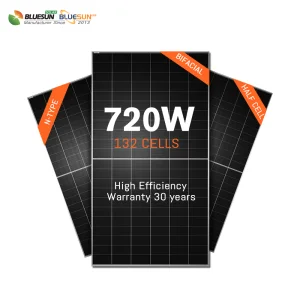
The transition toward N-type silicon substrates represents a structural change in cell manufacturing. N-type structures, doped with phosphorus, eliminate boron-oxygen complexes responsible for Light-Induced Degradation (LID). This results in lower degradation patterns over a 25-to-30-year operational span. Additionally, TOPCon cells exhibit a superior bifaciality coefficient of 80–85% compared to typical PERC levels of 70%, translating to increased rear-side energy harvest on high-albedo installations.
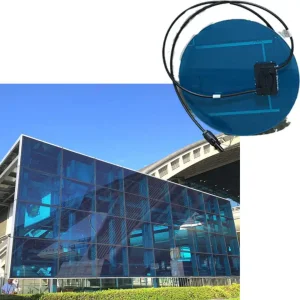
Cadmium Telluride (CdTe) thin-film technology remains a cornerstone for Building-Integrated Photovoltaics (BIPV). CdTe panels exhibit high absorption capability, performing optimally under diffuse, low-light environments typical of vertical building facades or overcast regions. The customizable aesthetics, through inkjet-printed variations, allow contemporary architectural integration without compromising structural integrity or thermal insulating values.
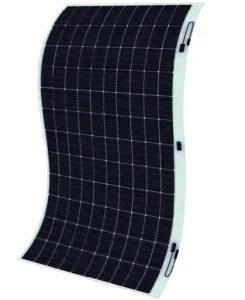
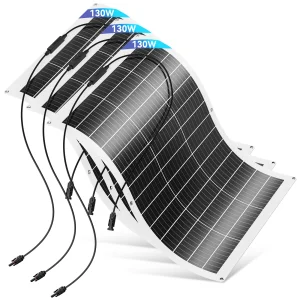
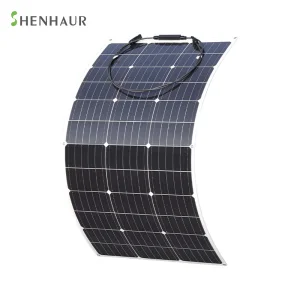
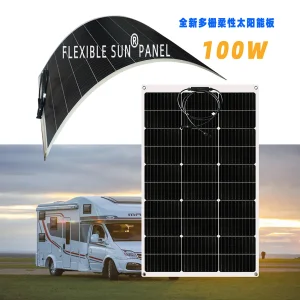
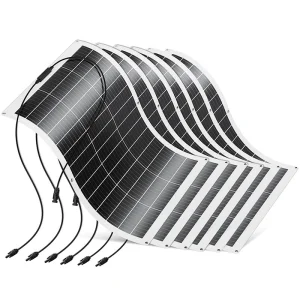
Flexible PV modules utilize thin-sliced monocrystalline silicon wafers encapsulated within high-performance polymers (ETFE/PET). Incorporating 182mm multi-busbar (MBB) solar cells reduces internal mechanical stress, preventing micro-cracks under bending conditions. These modules provide lightweight power generation for non-planar geometries, including yacht decks, RV roofs, and structural membrane setups.
Connecting industry-leading manufacturing lines in Ningbo, China with key distribution networks globally.
Ningbo GAF Solar Co., Ltd. is a professional Solar Panel Manufacturer | Monocrystalline, Bifacial & High Efficiency PV Modules dedicated to providing reliable solar energy solutions for residential, commercial, industrial, and utility-scale applications worldwide. With a strong commitment to renewable energy innovation, the company delivers advanced photovoltaic products designed to maximize energy generation, efficiency, and long-term performance.
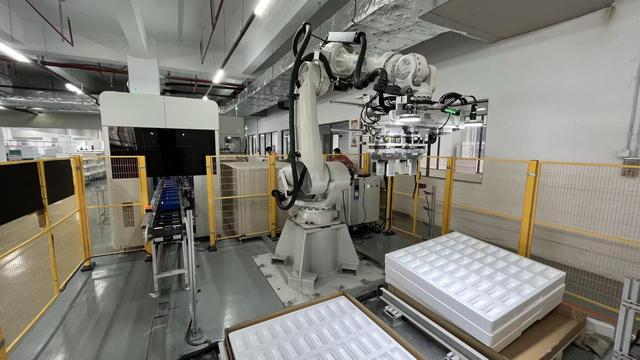
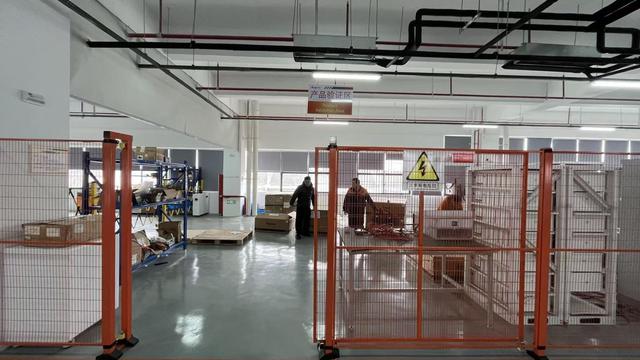
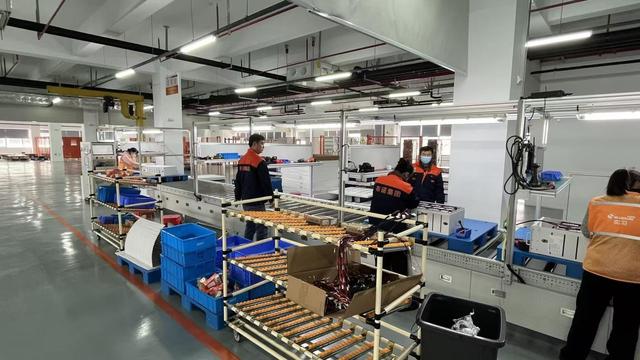
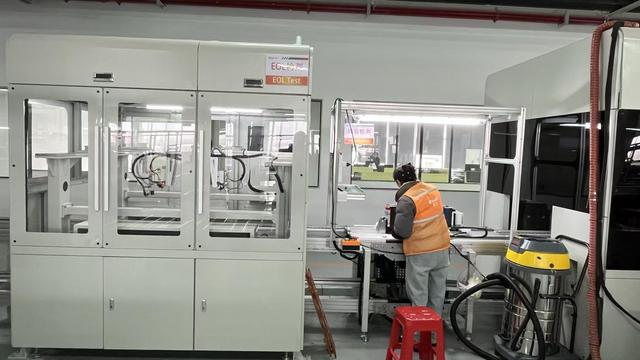
Based in Ningbo, China, GAF Solar operates modern manufacturing facilities equipped with advanced production technologies, automated assembly lines, and comprehensive quality control systems. The company specializes in the development and production of monocrystalline solar panels, bifacial solar modules, high-efficiency photovoltaic panels, rooftop solar solutions, commercial solar systems, industrial solar installations, and customized PV energy projects.
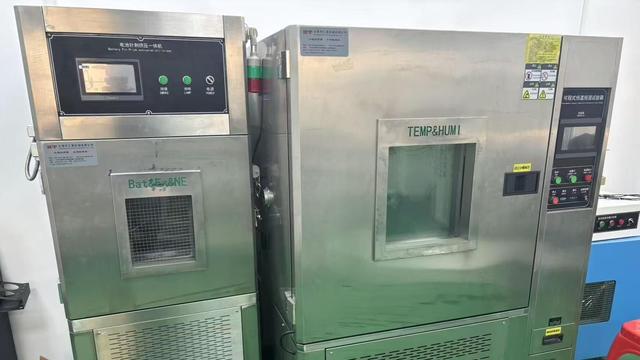
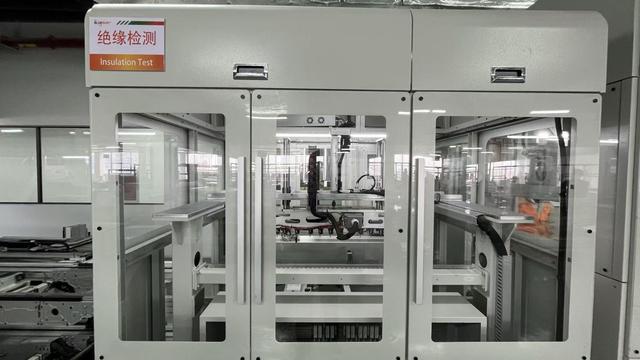
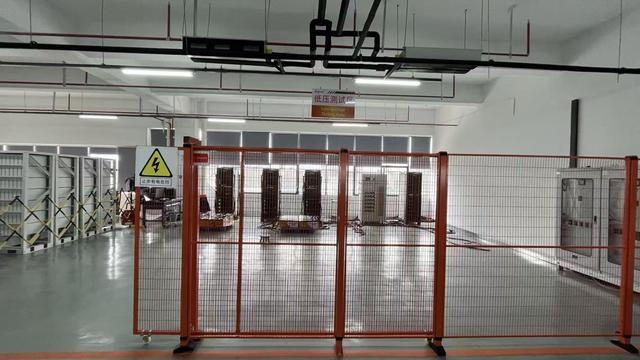
GAF Solar focuses on technological innovation and product reliability. By utilizing premium-grade solar cells, durable materials, and precision manufacturing processes, the company produces solar modules capable of delivering excellent power output, superior weather resistance, and long operational lifespans. Every product undergoes rigorous testing and quality inspections to ensure compliance with international standards and the demanding requirements of global energy markets.
In addition to manufacturing high-performance solar panels, GAF Solar offers comprehensive OEM and ODM services, supporting distributors, EPC contractors, solar developers, energy solution providers, and private-label brands. The company provides flexible customization options, professional technical support, and efficient project coordination from design and production to shipment and after-sales service.
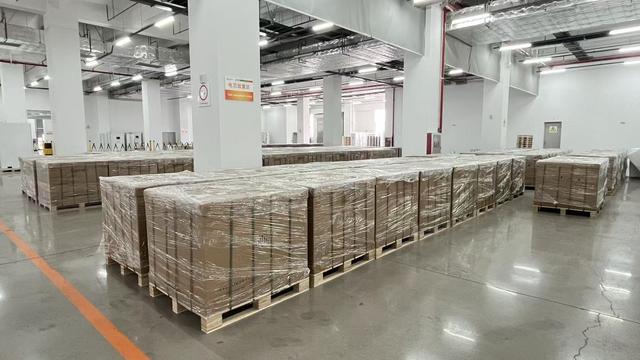
Serving customers across North America, Europe, Southeast Asia, the Middle East, Africa, and Latin America, Ningbo GAF Solar Co., Ltd. has established a reputation for quality, reliability, and customer-focused service. Through continuous innovation and sustainable manufacturing practices, the company remains committed to accelerating the global transition toward clean, renewable energy and creating long-term value for partners around the world.
Engineered off-grid PV infrastructures addressing agricultural, commercial, and extreme environment demands.
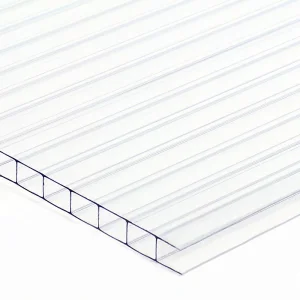
Integrating clear hollow polycarbonate sheets with high-transmittance double glass bifacial solar panels creates an optimized greenhouse ecosystem. By letting in photosynthetically active radiation (PAR) while harvesting unused energy from the frame, operators run internal climate controllers, automatic drip irrigation pumps, and environmental sensor suites off-grid, minimizing dependence on localized utilities.
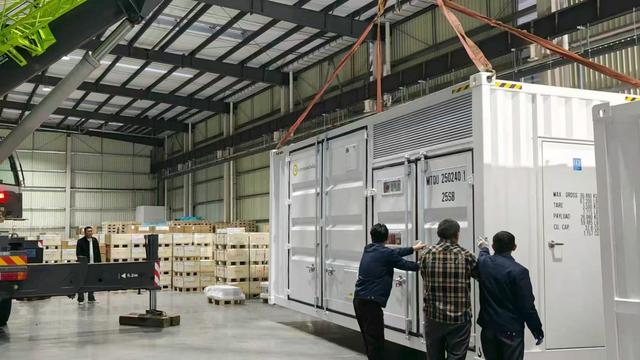
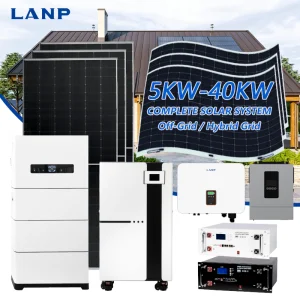
Complete hybrid off-grid kits solve complex power availability issues for remote commercial stations. Bundling custom-tiered inverters (5KW to 40KW), scalable lithium iron phosphate (LiFePO4) battery packs, and high-wattage monocrystalline solar cell modules ensures round-the-clock power. These configurations are pre-wired and plug-and-play ready, reducing installation errors on-site.
Extreme locations demand specialized resilience. Waterproof, thin-film flexible panels are engineered to withstand continuous salt spray, high wind loads, and thermal expansion on yacht decks, buoys, and offshore platforms. For telecom towers, solar-powered systems paired with industrial battery banks ensure up to 99.99% system uptime, even in remote locations.
Testing solar module longevity under extreme climates, heavy snow loading, and desert conditions.
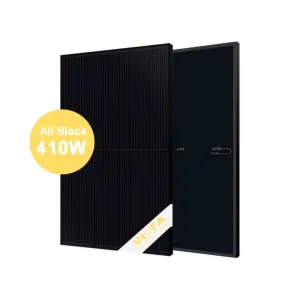
In regions such as the MENA zone, ambient temperatures frequently exceed 45°C, raising solar module internal temperatures to over 75°C. Conventional solar panels suffer from significant voltage drop-off. Utilizing N-type TopCon modules, which feature a low thermal coefficient, ensures sustained power output under extreme heat. These modules also feature anti-soiling glass treatments that prevent fine sand adhesion, keeping cleaning costs low.
Coastal and marine environments subject equipment to constant salt mist corrosion, high humidity, and physical stress from waves. Flexible monocrystalline panels address these challenges through encapsulation with fluoropolymer materials (like ETFE). Combined with waterproof, IP68-rated junction boxes, these modules prevent moisture ingress, ensuring stable performance for yacht hulls, remote lighthouses, and coastal monitoring arrays.
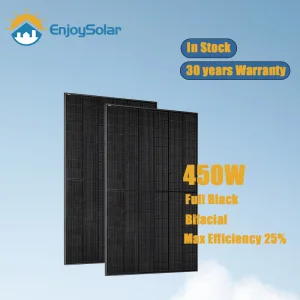
For installations in northern Europe or mountain regions, mechanical resilience against heavy snow loads is critical. Double-glass bifacial panels feature a rigid structural design certified to withstand up to 5400Pa of front-side snow load. Their bifacial architecture utilizes reflected light from the surrounding snow (high albedo) to generate additional energy from the backside, warming the panel and accelerating snow shedding.
Addressing the core technical, regulatory, and engineering questions of global off-grid PV procurement managers.
Off-grid solar cells operate within self-contained systems independent of the utility network. Architecturally, they require battery storage (such as LiFePO4 chemistry) and charge controllers (MPPT) to manage the charging cycle and supply power during non-solar hours. On-grid systems feed generated power directly into the utility network, using grid-tied inverters without battery storage. Off-grid modules require lower thermal degradation coefficients and higher efficiency performance due to physical space limits in remote locations.
N-Type TOPCon (Tunnel Oxide Passivated Contact) cell technology reduces the Levelized Cost of Energy (LCOE) through several factors: 1. Higher Efficiency: With cell efficiencies exceeding 22.5%, they generate more power per square meter, reducing balance-of-system (BOS) costs. 2. Lower Degradation: Near-zero Light-Induced Degradation (LID) ensures higher long-term energy yields. 3. Better Temperature Coefficient: A low coefficient of -0.30%/°C maintains high power output at elevated temperatures. 4. Higher Bifaciality: A bifaciality index of up to 85% allows the rear side of the panel to harvest reflected light, increasing overall yield in microgrid environments.
Flexible monocrystalline modules offer several key advantages for mobile and marine applications: 1. Adaptability: They conform to curved surfaces (such as yacht decks, RV roofs, and tents) without requiring heavy mounting structures. 2. Lightweight Design: Weighing under 2.5 kg/m², they minimize structural load. 3. Durability: Encapsulated in advanced ETFE/PET polymers, they withstand mechanical flexing, foot traffic, and salt spray corrosion without developing micro-cracks. 4. High Efficiency: They utilize premium monocrystalline cells, delivering high power outputs despite their slim profile.
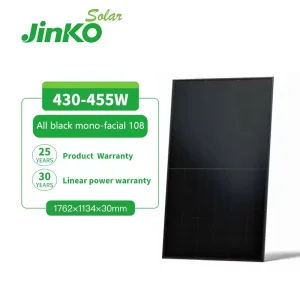
Bulk procurement managers should prioritize the following performance specifications: 1. Cell Efficiency: Look for modules above 21% to minimize land and rack expenditures. 2. Temp Coefficient: For hot climates, select panels with a rating close to -0.30%/°C. 3. Mechanical Load Ratings: Ensure certifications for front-side snow loads (5400 Pa) and back-side wind loads (2400 Pa). 4. Warranty Terms: Look for a 25-to-30-year linear performance warranty. 5. PID Resistance: Verify that cells are certified Potential Induced Degradation (PID) free through international testing agencies.
Ningbo GAF Solar Co., Ltd. implements comprehensive quality control measures across the production cycle: 1. Advanced Automation: Automated assembly lines minimize human error in cell welding and lamination. 2. Strict Testing: Every module undergoes dual Electroluminescence (EL) testing to detect micro-cracks before shipping. 3. Certified Standards: Modules comply with CE, IEC, and other international quality standards. 4. Material Quality: Utilizing premium solar cells and EVA encapsulation ensures long-term outdoor durability in demanding environments.
From residential hybrid kits to specialized BIPV panels and architectural hollow sheets.
 GAF Solar