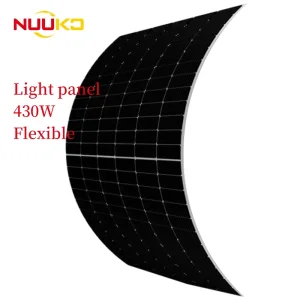
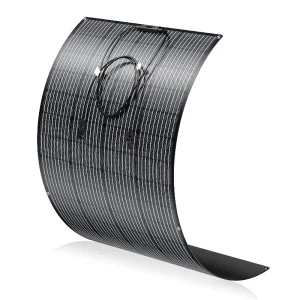
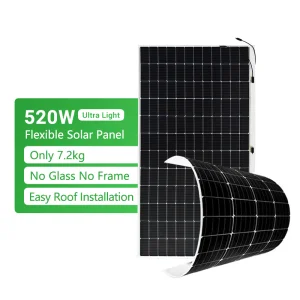
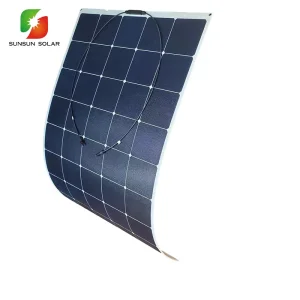
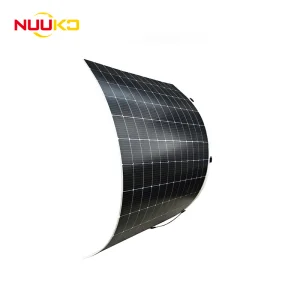
Engineered to withstand the demanding marine conditions of Ise Bay and Nagoya Port, our top-tier solar solutions deliver superior performance and outstanding mechanical load resistance.
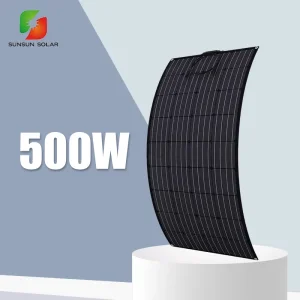
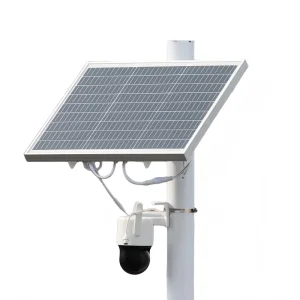
| Feature Parameter | ETFE Marine Solar Modules | Standard PET Solar Panels | Rigid Tempered Glass Panels |
|---|---|---|---|
| Salt Spray Corrosion Resistance | Excellent (IEC 61701 Severity 6) | Low (Degrades within 12-18 months) | Moderate (Framed galvanic risk) |
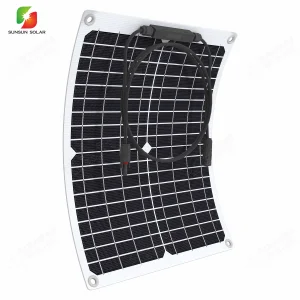
| Bending & Flexibility | Flexible (Up to 30 degrees) | Semi-flexible (Prone to cell micro-cracks) | Rigid (No flex capacity) |
| Weight Ratio | Ultra-light (~1.8 - 2.2 kg/m²) | Light (~2.0 - 2.5 kg/m²) | Heavy (~10 - 12 kg/m²) |
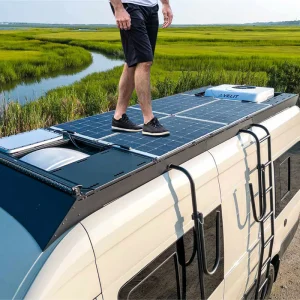
| Durability & Foot Traffic | Walkable (Reinforced structure) | Non-walkable | Non-walkable (Risk of shatter) |
| Transmittance Efficiency | 95% (High direct & diffuse capture) | 88% (Quickly clouds under UV) | 92% (High reflection at angles) |
These specialized solar configurations are optimized for marine hulls, extreme environments, and off-grid utility operations in local waterways and export vessels.
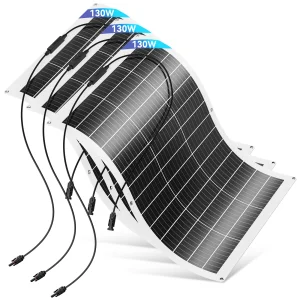
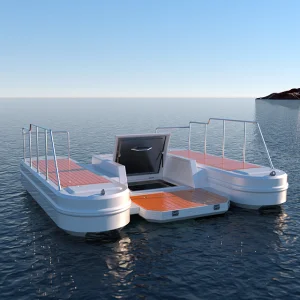
Ultra-thin profile prevents tripping hazards. Walkable surface allows integration on primary traffic routes.
ETFE encapsulation paired with tinned copper cabling prevents wire oxidation and electrical leakage.
Optimized diode layouts minimize power loss when sails, masts, or rigging cast shadows over sections of the array.
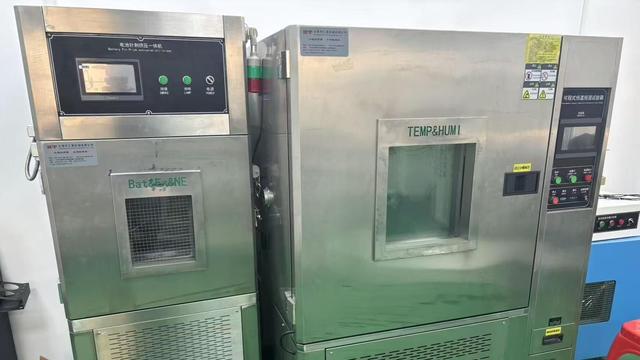
Ningbo GAF Solar Co., Ltd. is a professional Solar Panel Manufacturer | Monocrystalline, Bifacial & High Efficiency PV Modules dedicated to providing reliable solar energy solutions for residential, commercial, industrial, and utility-scale applications worldwide. With a strong commitment to renewable energy innovation, the company delivers advanced photovoltaic products designed to maximize energy generation, efficiency, and long-term performance.
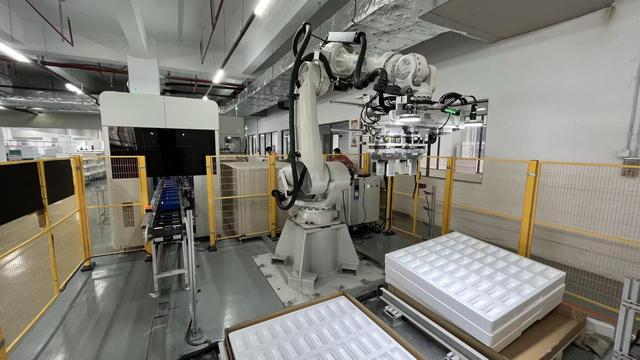
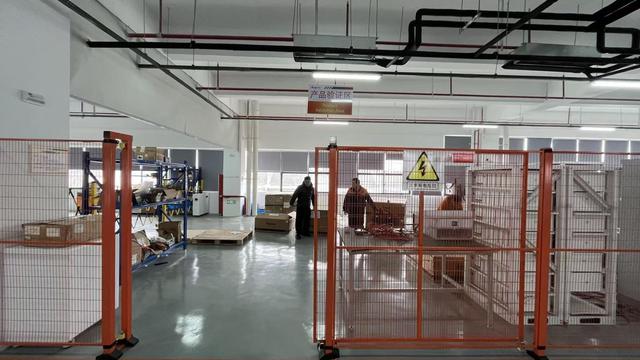
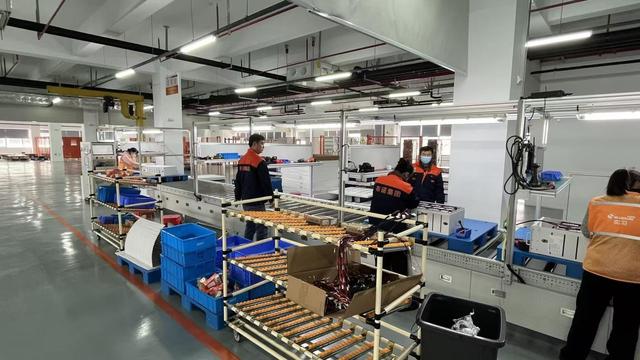
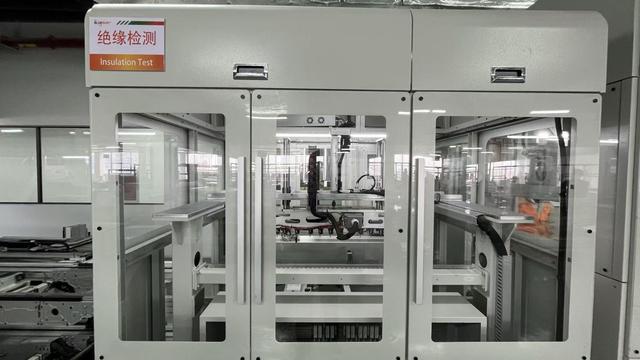
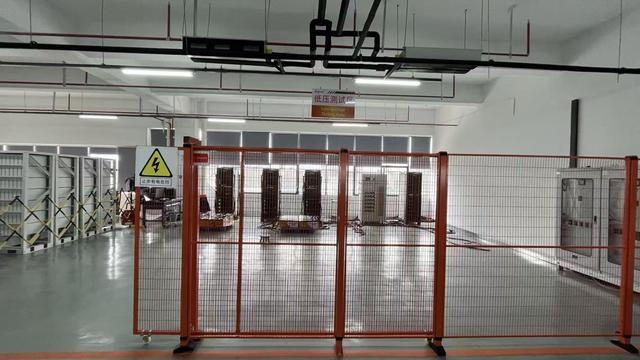
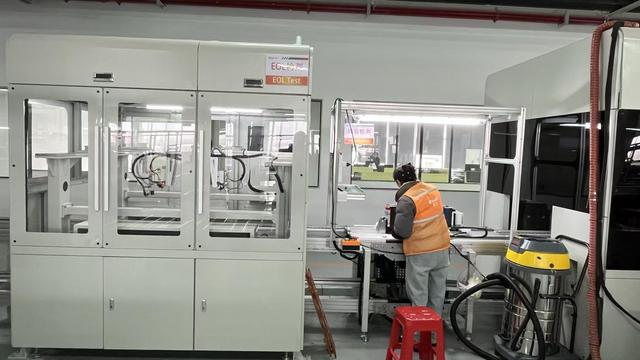
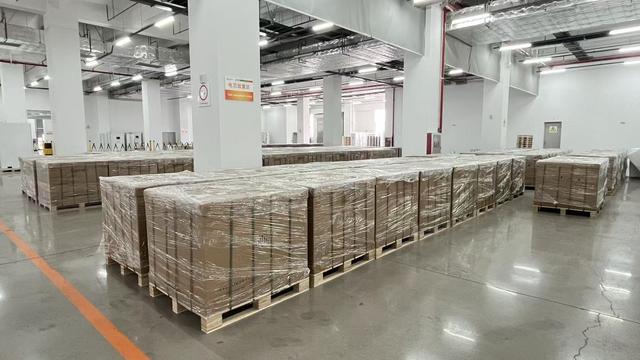
Based in Ningbo, China, GAF Solar operates modern manufacturing facilities equipped with advanced production technologies, automated assembly lines, and comprehensive quality control systems. The company specializes in the development and production of monocrystalline solar panels, bifacial solar modules, high-efficiency photovoltaic panels, rooftop solar solutions, commercial solar systems, industrial solar installations, and customized PV energy projects.
GAF Solar focuses on technological innovation and product reliability. By utilizing premium-grade solar cells, durable materials, and precision manufacturing processes, the company produces solar modules capable of delivering excellent power output, superior weather resistance, and long operational lifespans. Every product undergoes rigorous testing and quality inspections to ensure compliance with international standards and the demanding requirements of global energy markets.
In addition to manufacturing high-performance solar panels, GAF Solar offers comprehensive OEM and ODM services, supporting distributors, EPC contractors, solar developers, energy solution providers, and private-label brands. The company provides flexible customization options, professional technical support, and efficient project coordination from design and production to shipment and after-sales service. Serving customers across North America, Europe, Southeast Asia, the Middle East, Africa, and Latin America, Ningbo GAF Solar Co., Ltd. has established a reputation for quality, reliability, and customer-focused service.
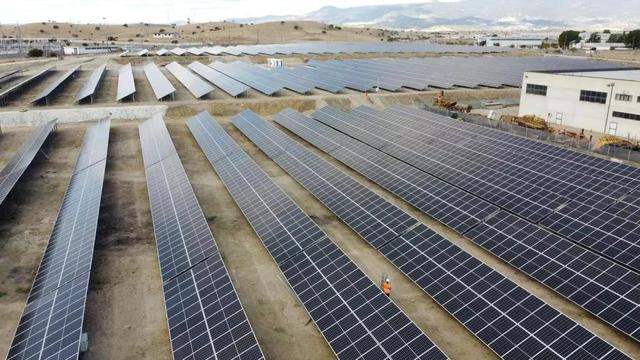
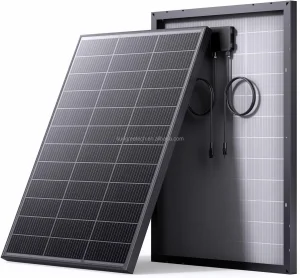
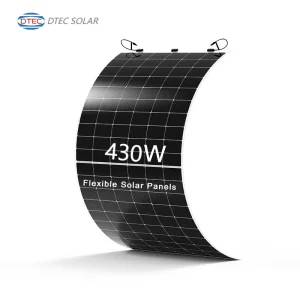
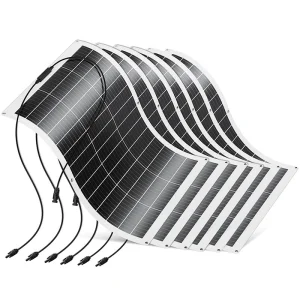
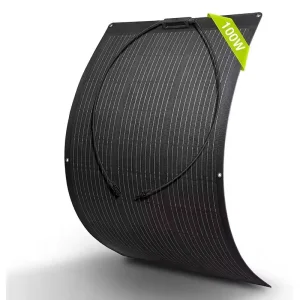
Explore our complete catalog of marine-grade photovoltaic modules. Developed with ETFE laminates, high-efficiency monocrystalline solar cells, and robust moisture barriers for long operational life.
Answering critical engineering questions regarding the deployment, operation, and maintenance of high-performance marine solar panels in offshore environments.
Marine-grade solar panels use ETFE (Ethylene Tetrafluoroethylene) encapsulation rather than standard glass or PET. ETFE is chemically inert, resistant to UV light, and does not degrade when exposed to seawater. Our panels undergo testing according to IEC 61701 (Severity 6) standards. Additionally, the junction boxes are rated IP68 and filled with potting compound to prevent moisture from reaching the electrical connections, while tinned copper cabling is used to prevent internal corrosion.
Yes, our walkable series uses reinforced ETFE sheets and specialized structural layers that distribute localized load pressure. This prevents localized stress on the silicon cells, helping to avoid micro-cracks during normal foot traffic. For optimal durability, these panels should be glued flat to a solid, even surface using marine-grade structural adhesive, avoiding any hollow spots underneath.
Partial shading is common in marine installations due to rigging, masts, and sails. If unmanaged, shading a single cell can reduce the output of the entire string. We design our marine panels with integrated bypass diodes that segment the panel into independent circuits. This allows unshaded sections to continue generating power, maintaining overall system output even under partial shadow conditions.
An MPPT (Maximum Power Point Tracking) controller is recommended for marine applications. Compared to PWM controllers, MPPT technology tracking is more precise, converting excess voltage into charging current. This increases energy harvest by up to 30%, which is helpful on boats where deck space is limited and maximizing solar yield is critical.
 GAF Solar