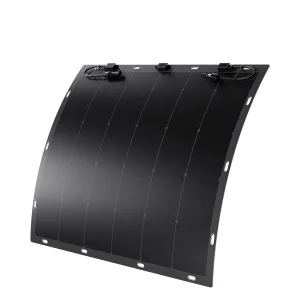
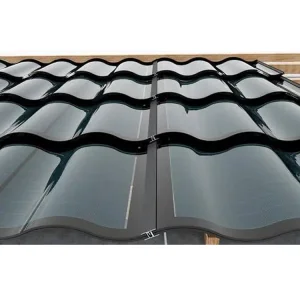
Engineered for immediate integration into Saudi commercial, residential, and maritime deployments.
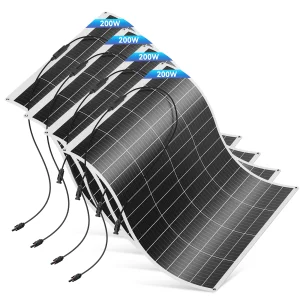
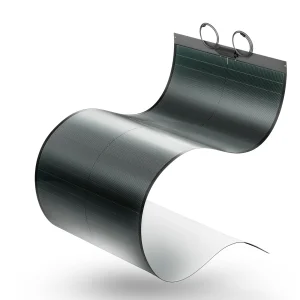
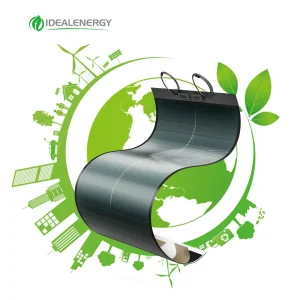
Saudi Arabia is currently undergoing one of the most radical energy transitions in modern history. Guided by the ambitious blueprints of Saudi Vision 2030 and the National Renewable Energy Program (NREP), the Kingdom aims to diversify its power grid, targeting 50% of its electricity generation from renewable energy sources by 2030. This translates to deploying over 58.7 GW of clean energy capacity. However, realizing this vision in the Arabian Desert presents severe climatological obstacles that traditional crystalline silicon (c-Si) solar modules struggle to withstand.
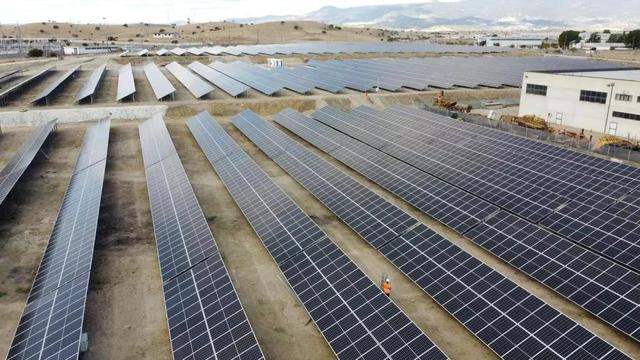
Extreme temperatures, high solar irradiance combined with intense UV index, and pervasive sand and dust accumulation (soiling) present a hostile environment for solar components. Under these harsh conditions, Thin-Film Solar Panels emerge not merely as an alternative, but as a technological necessity. Their unique physical properties, including low temperature coefficients, mechanical flexibility, and excellent spectral response under diffuse sunlight, make them the premier choice for major industrial, commercial, and utility-scale projects throughout Riyadh, Jeddah, Dammam, and NEOM.
Traditional silicon-based solar panels suffer from significant power degradation as temperatures rise. In the Saudi desert, ambient summer temperatures frequently surpass 48°C, which can push solar cell operating temperatures well past 75°C. At these extreme levels, standard crystalline silicon panels—which typically have a temperature coefficient of -0.40% per °C—can experience a real-world power output drop of up to 20% to 25%.
By contrast, advanced Thin-Film solar modules, particularly those utilizing Copper Indium Gallium Selenide (CIGS) and Cadmium Telluride (CdTe) technologies, feature a much lower temperature coefficient of just -0.20% to -0.28% per °C. This thermal resilience ensures that thin-film arrays deployed in harsh environments maintain a high, stable energy yield, significantly outperforming traditional solar installations in total annual kilowatt-hour (kWh) output.
Understanding the molecular and structural differences between thin-film technologies is critical for procurement officers and EPC (Engineering, Procurement, and Construction) contractors in Saudi Arabia. Each technology addresses specific architectural and environmental demands across the Middle East market.
CIGS technology offers the highest efficiency among commercial thin-film options, approaching 16% to 22% in advanced modules. CIGS cells perform exceptionally well in diffuse light and partial shade. Their multi-junction-like absorption behavior captures a broader solar spectrum, converting scattered light from dusty and overcast desert skies into usable power.
CdTe is the leading thin-film technology for utility-scale applications. Its high absorption coefficient allows it to absorb 99% of incident light with a layer only a few micrometers thick. Its robust performance in high-temperature regions makes it a staple for vast desert installations where structural durability and low cost per watt are critical.
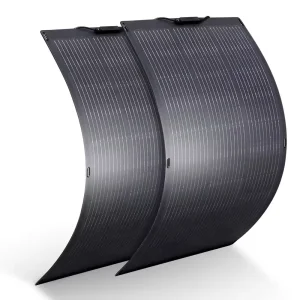
Combining the high efficiency of crystalline silicon with the mechanical flexibility of thin-film polymers, FTM modules utilize ultra-thin silicon wafers embedded in resilient, weather-resistant ETFE layers. This provides high efficiency (up to 24.4%) alongside rollable, lightweight, and impact-resistant physical properties.
Desert dust and fine particulate matter accumulate quickly on solar panels, blocking sunlight and creating localized shadows. Traditional modules can experience hot spots and cell failure under uneven shading. In contrast, thin-film modules feature linear cell geometry and integrated bypass diodes, allowing them to remain operational even when partially covered by dust or sand. This reduces the frequency of cleaning cycles and lowers maintenance costs (O&M) in dry regions.
The development of new urban centers and megaprojects in Saudi Arabia requires building-integrated and highly flexible solar systems. Standard solar arrays are often unsuitable for these modern architectural designs due to weight and structural limits.
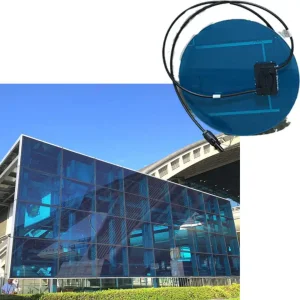
NEOM’s linear urban structure, "The Line," relies on vertical mirror facades and advanced glass elements. Applying traditional solar panels to these architectural surfaces is not feasible due to load limits and design constraints. Customized BIPV modules, including CdTe panels and colored photovoltaic glass (such as orange/red BIPV modules), integrate directly into building envelopes. They serve as aesthetic facades, thermal barriers, and active clean energy generators simultaneously, helping developers achieve carbon-neutral building certifications.
Many modern industrial logistics warehouses and distribution centers across Jeddah and Dammam feature low-load-bearing corrugated metal rooftops. Installing heavy crystalline panels with steel mounting racks can exceed structural safety limits. Flexible thin-film adhesive panels solve this challenge. Weighing less than 3 kg/m² (compared to 15-20 kg/m² for glass panels), they adhere directly to TPO or metal roof membranes without penetrations, preserving waterproofing and avoiding structural stress.
Under the Red Sea Project and Amaala developments, luxury tourism demands clean, off-grid energy. Marine environments expose solar hardware to extreme humidity, salt spray, and physical movement. Standard glass panels are prone to micro-cracking and salt corrosion. Flexible, IP67/IP68-rated thin-film solar kits adapt easily to curved yacht decks, catamaran hulls, and floating offshore resorts, providing reliable power in corrosive coastal conditions.
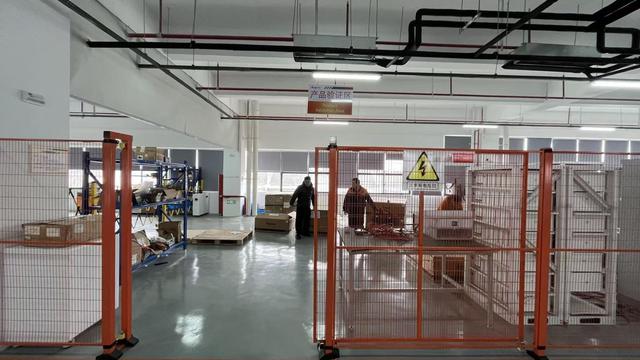
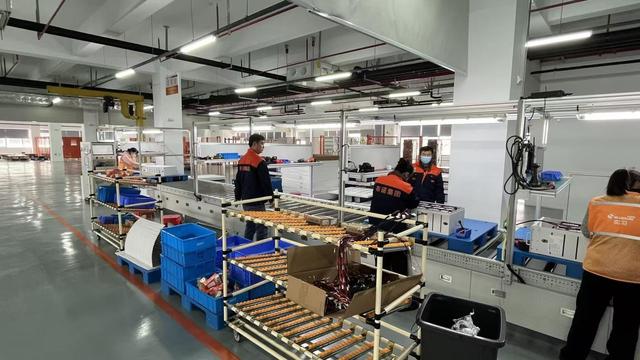
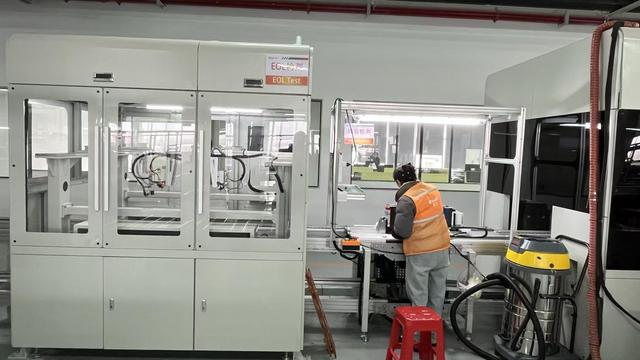
The global transition to solar energy depends on robust manufacturing and reliable supply chains. Ningbo, China, serves as a major manufacturing hub for high-efficiency solar modules, housing automated factories that produce advanced thin-film materials.
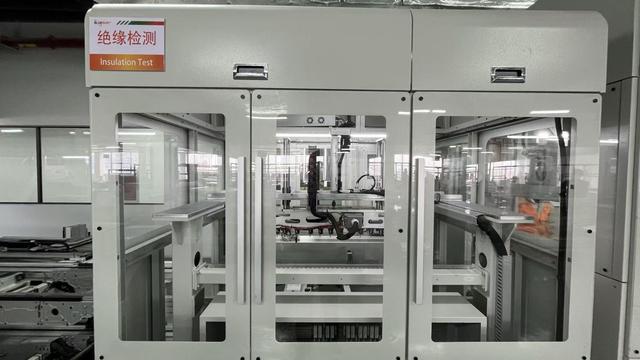
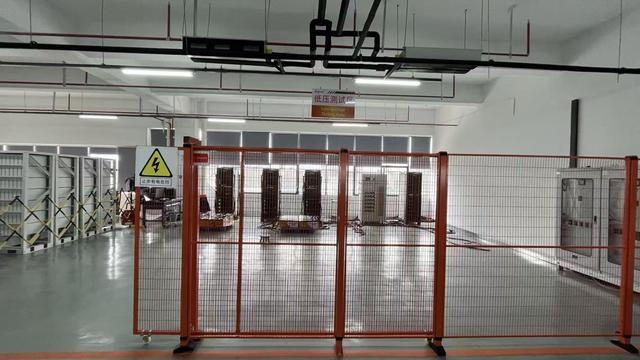
China's Industry 4.0 manufacturing framework integrates robotics, automated quality control, and data-driven supply chain management. This allows factories to optimize thin-film deposition, polymer lamination, and electrical testing at scale. As a result, developers in Saudi Arabia benefit from high-quality, certified panels that meet SASO (Saudi Standards, Metrology and Quality Organization) requirements, along with reliable shipping from the Port of Ningbo to Jeddah Islamic Port and Dammam King Abdulaziz Port.
Ningbo GAF Solar Co., Ltd. is a professional Solar Panel Manufacturer | Monocrystalline, Bifacial & High Efficiency PV Modules dedicated to providing reliable solar energy solutions for residential, commercial, industrial, and utility-scale applications worldwide. With a strong commitment to renewable energy innovation, the company delivers advanced photovoltaic products designed to maximize energy generation, efficiency, and long-term performance.
Based in Ningbo, China, GAF Solar operates modern manufacturing facilities equipped with advanced production technologies, automated assembly lines, and comprehensive quality control systems. The company specializes in the development and production of monocrystalline solar panels, bifacial solar modules, high-efficiency photovoltaic panels, rooftop solar solutions, commercial solar systems, industrial solar installations, and customized PV energy projects.
GAF Solar focuses on technological innovation and product reliability. By utilizing premium-grade solar cells, durable materials, and precision manufacturing processes, the company produces solar modules capable of delivering excellent power output, superior weather resistance, and long operational lifespans. Every product undergoes rigorous testing and quality inspections to ensure compliance with international standards and the demanding requirements of global energy markets.
In addition to manufacturing high-performance solar panels, GAF Solar offers comprehensive OEM and ODM services, supporting distributors, EPC contractors, solar developers, energy solution providers, and private-label brands. The company provides flexible customization options, professional technical support, and efficient project coordination from design and production to shipment and after-sales service.
Serving customers across North America, Europe, Southeast Asia, the Middle East, Africa, and Latin America, Ningbo GAF Solar Co., Ltd. has established a reputation for quality, reliability, and customer-focused service. Through continuous innovation and sustainable manufacturing practices, the company remains committed to accelerating the global transition toward clean, renewable energy and creating long-term value for partners around the world.
Expert answers regarding thin-film PV deployment, compliance, and procurement in the Kingdom of Saudi Arabia.
Thin-film modules (CIGS/CdTe) feature a significantly lower temperature coefficient (-0.22% to -0.28%/°C) compared to standard crystalline panels (-0.40%/°C). This allows them to maintain higher power output in hot climates. They also offer design flexibility, weigh up to 85% less, perform better under partial shading from dust, and are not prone to micro-cracking during sandstorms.
Yes, our manufacturing facility produces solar panels that comply with international standards (IEC 61215, IEC 61730, CE, UL). We assist our Saudi Arabian clients with registration on the Saber system, providing the necessary test reports and certificates of conformity for customs clearance.
Our flexible modules can be ordered with a pre-applied structural adhesive backing. This allows them to peel and stick directly onto TPO, EPDM, or painted metal roof profiles without requiring penetrations or ballast, preserving the roof's waterproofing integrity.
Our high-efficiency modules are manufactured using weather-resistant packaging materials, such as ETFE and specialized barrier films, to resist high UV degradation. They come with a 25-year linear performance warranty, maintaining at least 80% to 83% of their initial output after 25 years of service.
We supply custom BIPV modules in a range of colors, including terracotta red, orange, grey, and semi-transparent options. This helps architects design attractive building facades and roofs that meet Vision 2030 sustainability requirements without sacrificing aesthetic appeal.
Explore our full range of high-efficiency, bifacial, and customized thin-film solutions.
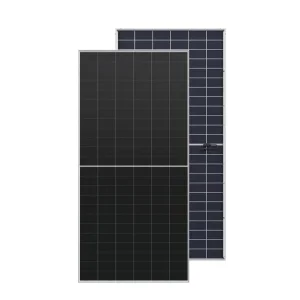
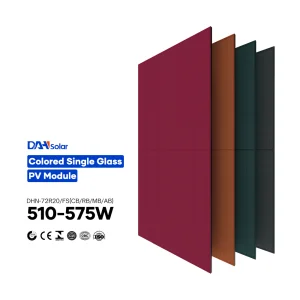
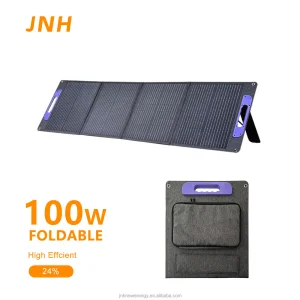
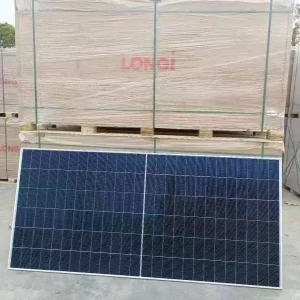
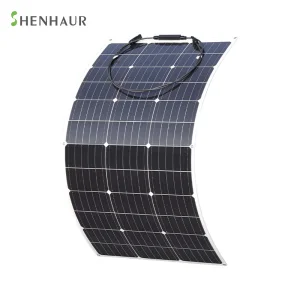
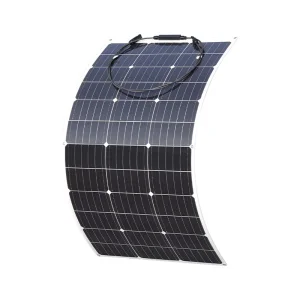
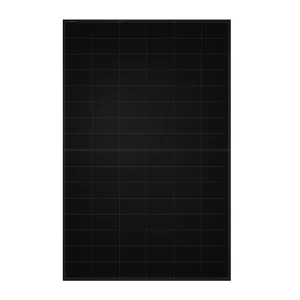
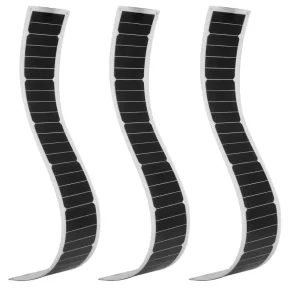
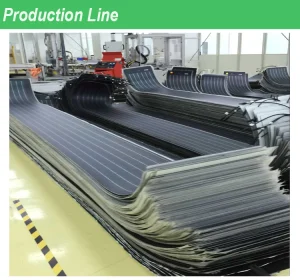
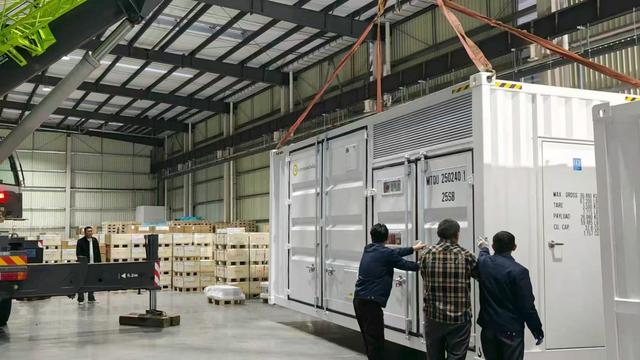
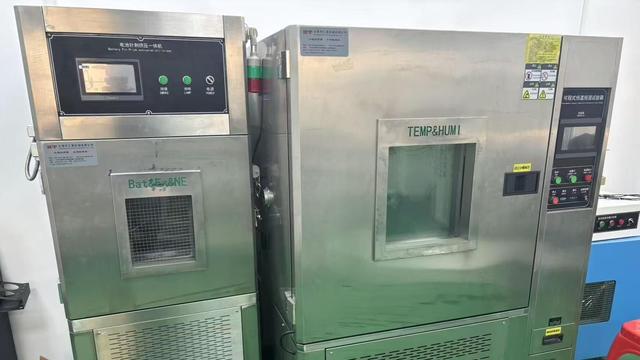
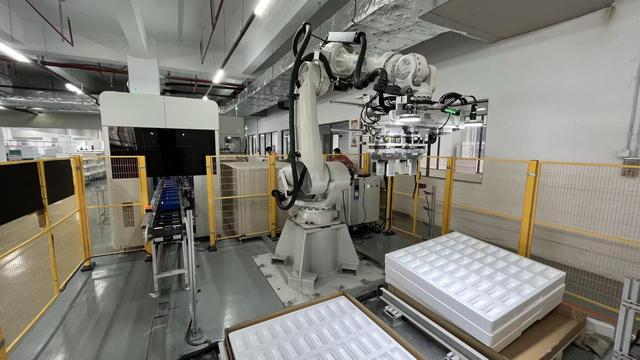
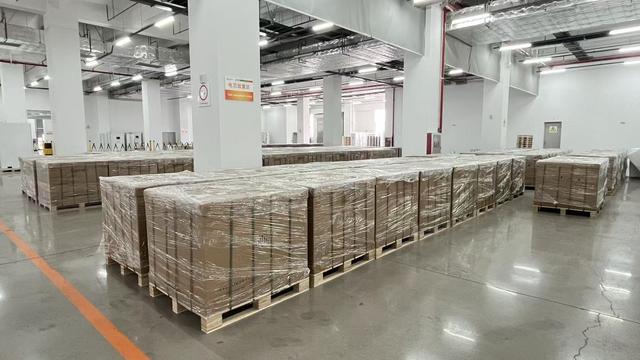
Our operations feature advanced assembly lines, precision quality testing, and international shipping prep.
Contact our technical support and sales team for customized product specifications, pricing, and project calculations tailored to the Saudi Arabian market.
Send Inquiry Now GAF Solar