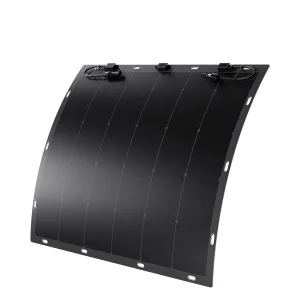
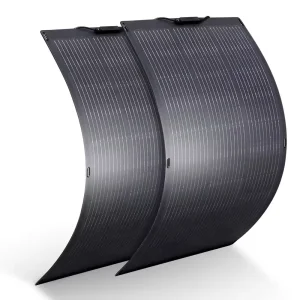
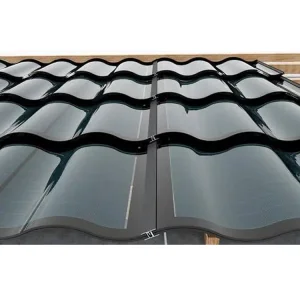
These highly resilient thin-film systems are selected specifically for Chile's geographic diversity, addressing extreme UV radiation in the northern Atacama, high marine salinity along the Pacific coastline, and high wind shear in southern Patagonia.
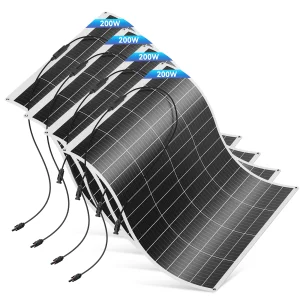
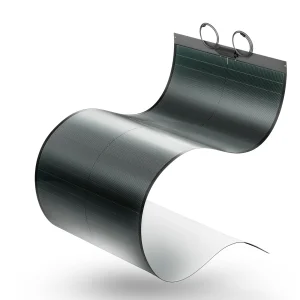

Chile stands as a global frontier for solar energy deployment, with the northern regions exhibiting some of the highest Direct Normal Irradiance (DNI) levels in the world, exceeding 3,500 kWh/m²/year. Under these conditions, conventional silicon photovoltaic modules experience severe efficiency degradation due to high thermal coefficients and extreme ultraviolet exposure. This makes advanced thin-film modules, such as Copper Indium Gallium Selenide (CIGS) and Cadmium Telluride (CdTe), a highly viable alternative.
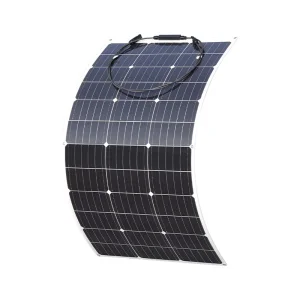
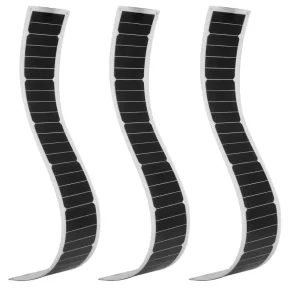
Furthermore, Chile’s geography—characterized by active seismic zones, coastal salt spray, and severe wind profiles in the Patagonia region—demands structurally adaptable energy infrastructure. Heavy rigid panels often require reinforced structural support, increasing installation overhead and earthquake vulnerability. High-efficiency thin-film flexible solar panels address this risk, offering a lightweight profile of under 3 kg/m² that significantly reduces seismic dead loads on industrial rooftops in Santiago, San Antonio, and Antofagasta.
Thin-film modules maintain a low temperature coefficient of -0.22%/°C to -0.32%/°C, significantly outperforming crystalline silicon in hot climates.
Capable of capturing a wider wavelength range, ensuring power generation under hazy, overcast, or low-light atmospheric conditions common in coastlines.
Flexibility prevents glass micro-cracking during structural shifts in seismic events, protecting asset longevity across active faults.
Chile's renewable transition is structured by the PMGD (Pequeños Medios de Generación Distribuida) framework, which fast-tracks solar projects under 9 MW with stabilized pricing. For EPC contractors and industrial developers sourcing from Ningbo, China, the reliability of supply chains, cost efficiency, and performance parameters are critical.
Get in touch with our export engineers to secure SEC-compliant technical specifications and pricing structures.
Choosing the correct photovoltaic architecture is critical to maximizing return on investment. The following data highlights the distinct advantages of thin-film modules under different localized environmental stressors:
| Performance Metric | CIGS Thin-Film Modules | CdTe Thin-Film Modules | Standard Monocrystalline (c-Si) |
|---|---|---|---|
| Temperature Coefficient | -0.26%/°C | -0.21%/°C | -0.37%/°C |
| Areal Density (Weight) | 2.2 - 2.9 kg/m² | 12.0 - 15.0 kg/m² | 18.0 - 22.0 kg/m² |
| Seismic Shock Resilience | Excellent (No Micro-cracks) | Moderate | Poor (Prone to cell fracturing) |
| Low-Light Performance | High spectral sensitivity | Excellent blue-spectrum capture | Standard |
| Installation Method | Quick-bond Peel-and-Stick | Frame clamp racking | Heavy mechanical racking |
Ningbo GAF Solar Co., Ltd. is a professional Solar Panel Manufacturer | Monocrystalline, Bifacial & High Efficiency PV Modules dedicated to providing reliable solar energy solutions for residential, commercial, industrial, and utility-scale applications worldwide. With a strong commitment to renewable energy innovation, the company delivers advanced photovoltaic products designed to maximize energy generation, efficiency, and long-term performance.
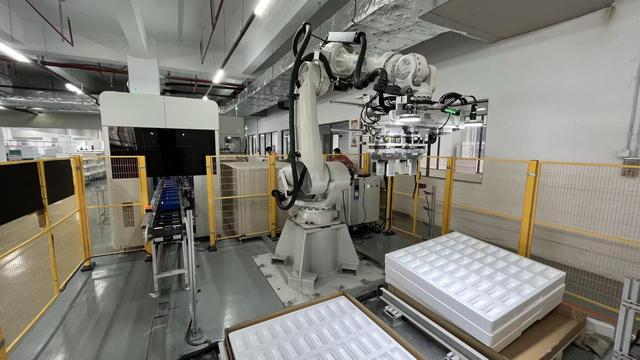
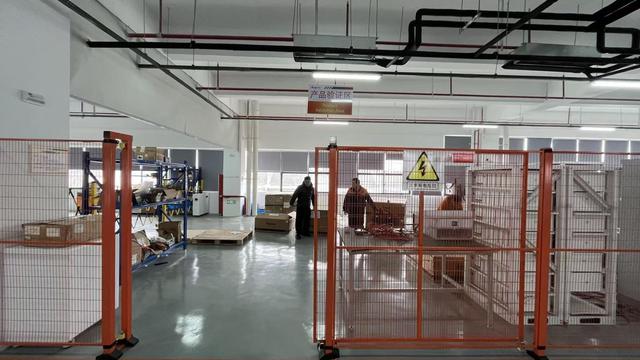
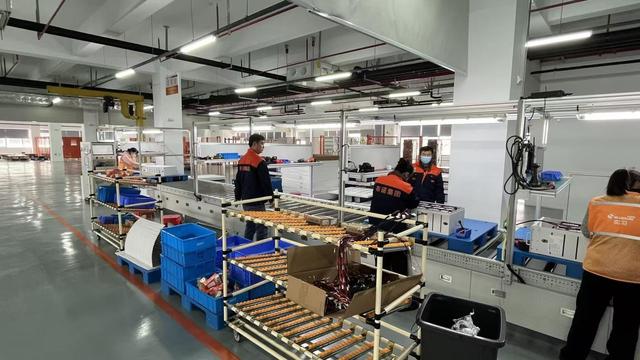
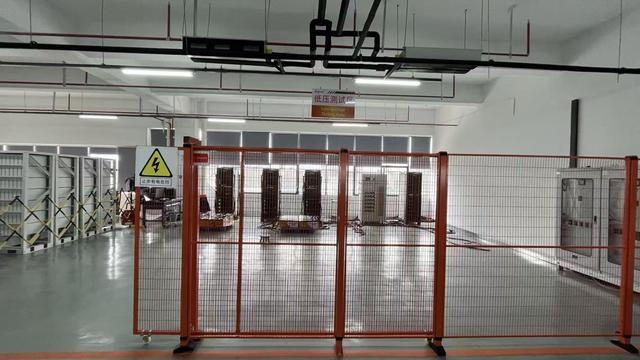
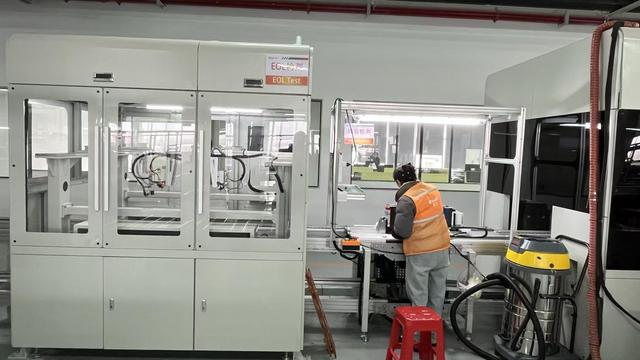
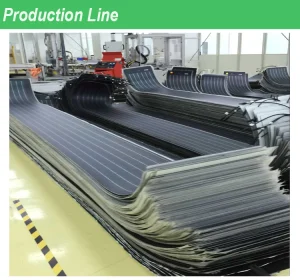
Based in Ningbo, China, GAF Solar operates modern manufacturing facilities equipped with advanced production technologies, automated assembly lines, and comprehensive quality control systems. The company specializes in the development and production of monocrystalline solar panels, bifacial solar modules, high-efficiency photovoltaic panels, rooftop solar solutions, commercial solar systems, industrial solar installations, and customized PV energy projects.
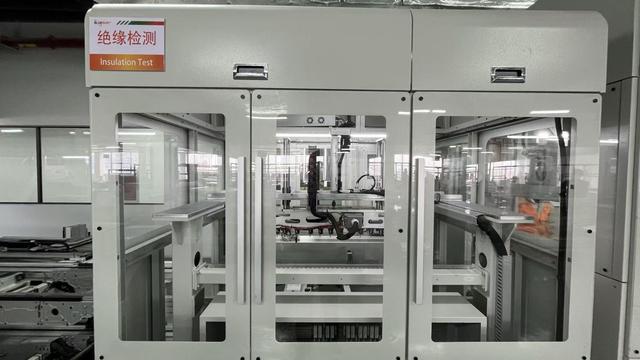
GAF Solar focuses on technological innovation and product reliability. By utilizing premium-grade solar cells, durable materials, and precision manufacturing processes, the company produces solar modules capable of delivering excellent power output, superior weather resistance, and long operational lifespans. Every product undergoes rigorous testing and quality inspections to ensure compliance with international standards and the demanding requirements of global energy markets.
In addition to manufacturing high-performance solar panels, GAF Solar offers comprehensive OEM and ODM services, supporting distributors, EPC contractors, solar developers, energy solution providers, and private-label brands. The company provides flexible customization options, professional technical support, and efficient project coordination from design and production to shipment and after-sales service.
Serving customers across North America, Europe, Southeast Asia, the Middle East, Africa, and Latin America, Ningbo GAF Solar Co., Ltd. has established a reputation for quality, reliability, and customer-focused service. Through continuous innovation and sustainable manufacturing practices, the company remains committed to accelerating the global transition toward clean, renewable energy and creating long-term value for partners around the world.
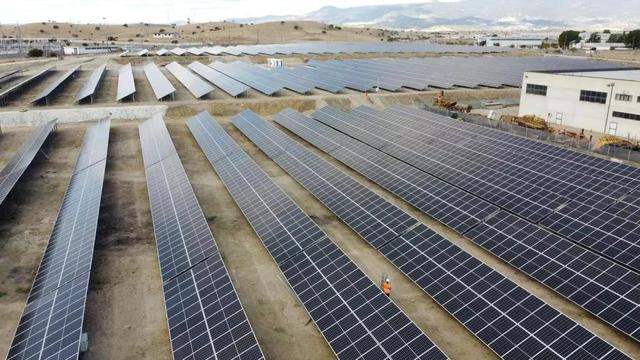
As the global energy matrix moves toward decentralized distribution networks, BIPV (Building-Integrated Photovoltaics) is shifting from a premium choice to a regulatory mandate. Cities like Santiago are tightening urban environmental standards, encouraging developers to transform static building envelopes into generation nodes.
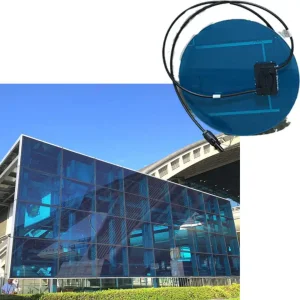
By applying inkjet-printed CdTe modules and customizable CIGS solar roof shingles directly onto architectural glass panels and concrete facades, commercial projects in Chile can transition into near-zero energy structures. Flexible designs eliminate structural wind loads, allowing designers to install active solar generators on vertical structures without compromising safety.
Ningbo GAF Solar's R&D investments focus on combining flexible thin-film substrates with crystalline silicon systems to capture complementary spectrums. This integration targets a hybrid cell efficiency exceeding 28%, significantly lowering Levelized Cost of Energy (LCOE) across microgrid networks.
Explore our comprehensive range of high-performance modules optimized for industrial building envelopes, utility-scale desert operations, and marine environments in Chile.
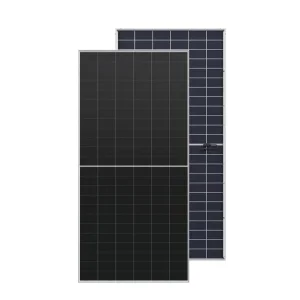
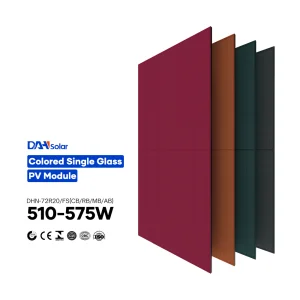
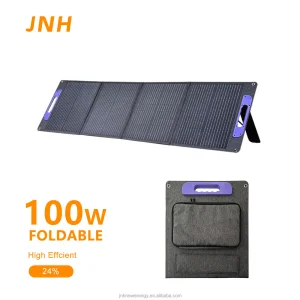
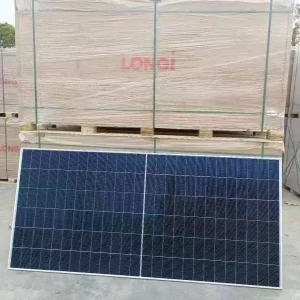
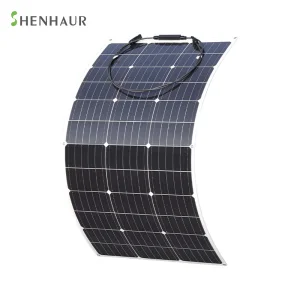
Navigating the regulatory environment under the Chilean Superintendencia de Electricidad y Combustibles (SEC) is critical for local energy compliance. GAF Solar modules undergo evaluation processes to meet local standards, facilitating integration under net billing frameworks like Ley 21.118. This allows commercial and residential facilities in Chile to feed surplus power back into the public grid under stabilized utility pricing models.
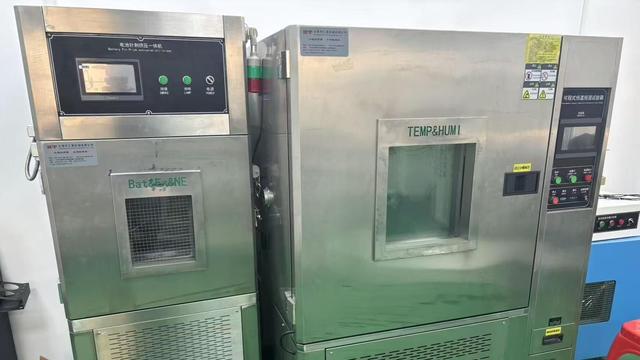
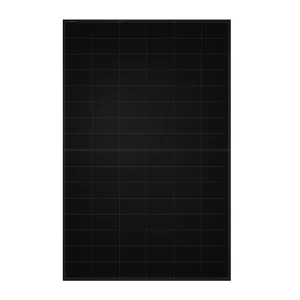
Our thin-film CIGS and CdTe modules comply with international standards IEC 61215 and IEC 61730. These specifications ensure they withstand the severe environmental variables of the Southern Hemisphere, including UV degradation, ocean-mist exposure, and dynamic thermal stresses.
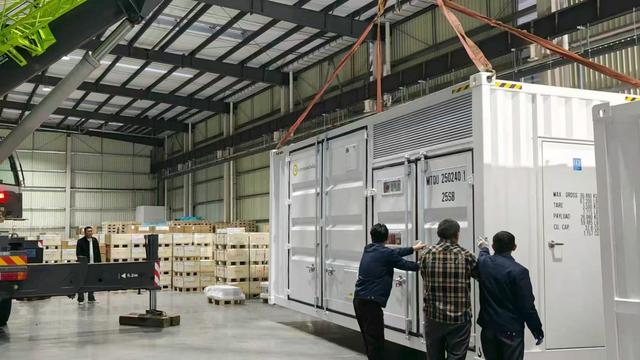
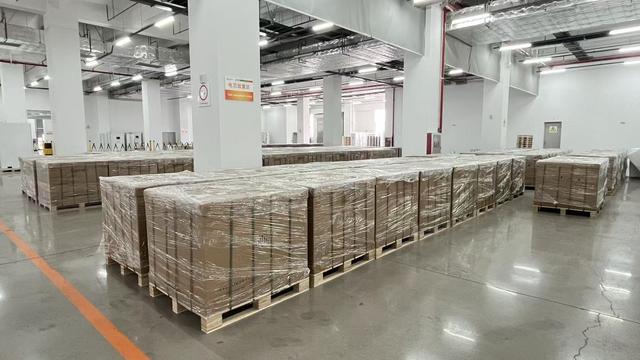
Shipping logistics from our automated manufacturing center in Ningbo, China, are optimized for major Chilean ports, including San Antonio, Valparaíso, and Iquique.
By utilizing lightweight thin-film profiles, we minimize packaging weight and maximize shipping container density. This reduces overall transport emissions and per-watt freight costs, offering a cost-effective shipping process for EPC contractors and industrial developers across South America.
Review technical responses to key questions regarding the deployment and procurement of thin-film solar modules in Chile.
Get in touch with our export engineers to secure SEC-compliant technical specifications and pricing structures.
 GAF Solar