As the European Union intensifies its clean energy directives, Italy has emerged as one of the most dynamic, high-growth solar markets in the region. Driven by the Piano Nazionale Integrato per l'Energia e il Clima (PNIEC), the nation targets over 80 GW of cumulative solar photovoltaic capacity by 2030. To reach these aggressive mandates, the Italian residential and commercial solar segment relies heavily on reliable export channels that offer advanced module architecture and long-term warranties.
While southern regions like Sicily, Puglia, and Calabria enjoy solar irradiance of up to 1,900 kWh/m²/year, the industrial northern hubs (Lombardy, Veneto, Emilia-Romagna) lead in commercial rooftop and industrial net-metering adoption.
Strict grid connection standards mandated by the Italian Electrotechnical Committee require residential inverters and solar panel arrays to guarantee precise low-voltage grid interaction, safe shutdowns, and high power factor stability.
Italian building fire regulations dictate that modules installed on rooftops must hold a Classe 1 Fire Rating (UNI 9177 standard), protecting residential property structures from potential electrical fire propagation.
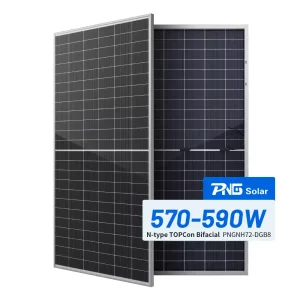
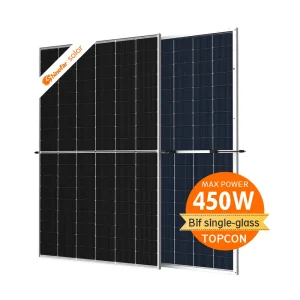
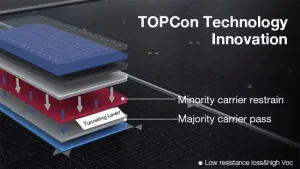
For importers and distributors in Rome, Milan, and Naples, sourcing direct-from-factory solutions from Tier 1 Chinese solar suppliers is the standard strategy to balance high technical compliance with cost efficiency. The phasing out of old subsidy schemes like the Superbonus 110% has transitioned the market to focus heavily on long-term Levelized Cost of Energy (LCOE) optimization. High-yield N-type TOPCon and double-glass bifacial architectures are now preferred to maximize lifetime power output.
Ningbo GAF Solar Co., Ltd. leverages the unparalleled advantages of the Ningbo-Zhoushan port area, one of the world's premier deep-water maritime transit points. This geographical superiority translates directly to lower freight costs, faster shipping routes to Italian ports (such as Genoa, Trieste, Civitavecchia, and Venice), and streamlined custom clearances.
| Solar Panel Technical Dimension | Ningbo Factory (GAF Solar) Standard | Italian Project Application Value |
|---|---|---|
| Cell Technology | N-Type TOPCon & Mono-PERC, 182mm / 210mm | Higher Bifaciality (up to 85%), lower LID/LeTID degradation |
| Mechanical Load Limits | Front: 5400 Pa / Rear: 2400 Pa (Certified) | Durable against Alpine snowloads & intense Po Valley hailstorms |
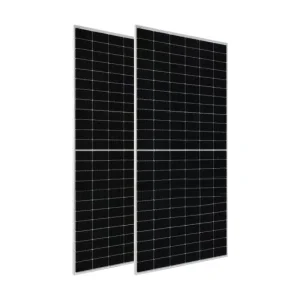
| Visual Aesthetics | All-Black Designs, Ultra-thin frame profiling | Compliance with historical zone landscape regulations |
| Quality Standards | IEC 61215, IEC 61730, CE, TUV, Fire Class 1 (Classe 1) | Approved for GSE feed-in tariff and local commercial tax rebates |
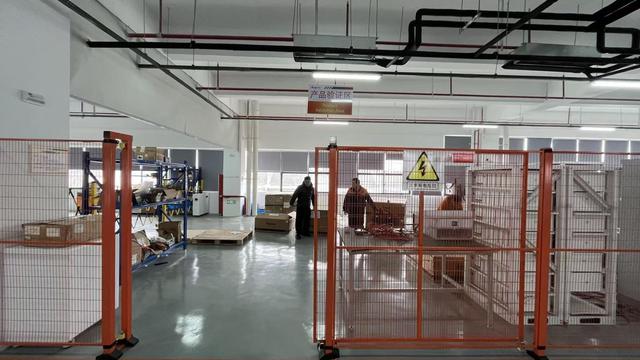
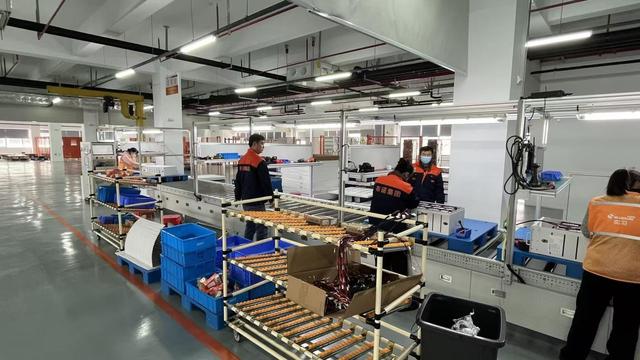
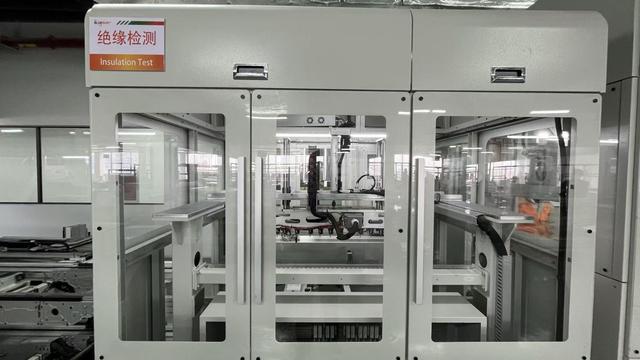
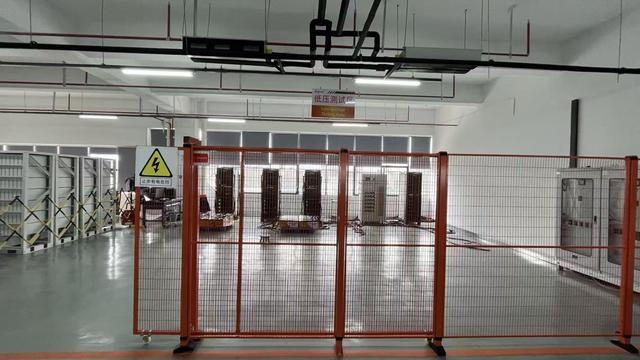
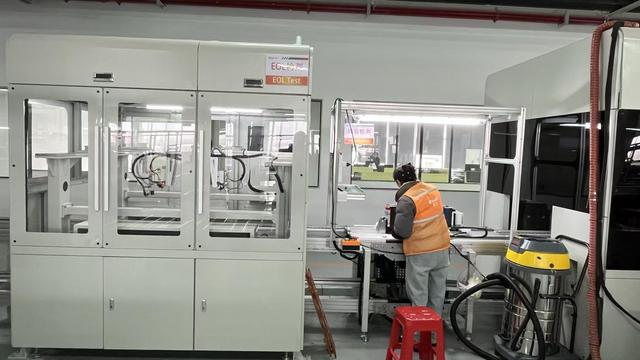
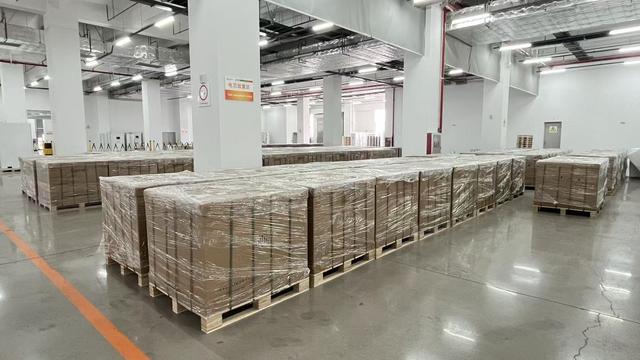
Our manufacturing facility integrates advanced EL (Electroluminescence) testing checkpoints, automated solder ribbon placement, and micro-precision laminators. We provide comprehensive OEM/ODM services for European private labels. This includes customizing junction boxes, upgrading to Stäubli MC4 connectors, supplying variable length output cables for integrated solar carports (pensiline fotovoltaiche), and designing reinforced wood-crate packaging for safe container transport across long ocean voyages.
Sourcing residential solar panels from a specialized exporter requires understanding that Italy has highly varied localized micro-climates and architectural codes. A single product line cannot cover every scenario. Thus, we categorize our solutions below:
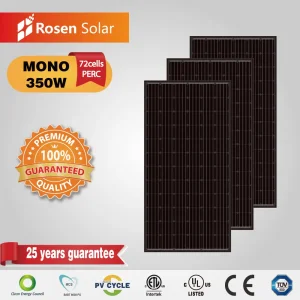
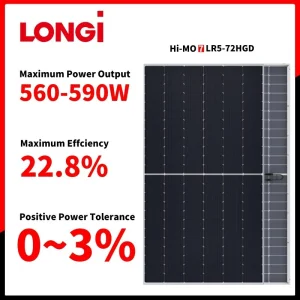
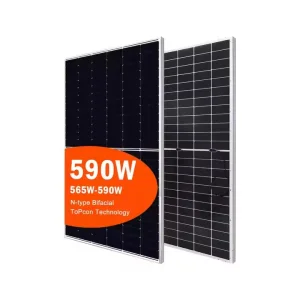
Italian municipal regulations (soprintendenza) often restrict standard blue-toned solar modules on historic slate or clay-tiled rooftops. Our All-Black Aesthetic series (550W-590W) integrates seamlessly, offering zero color disruption and minimal structural profiles.
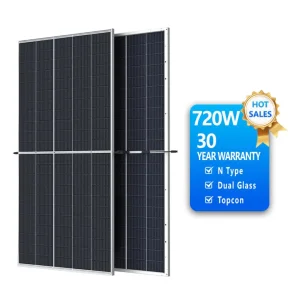
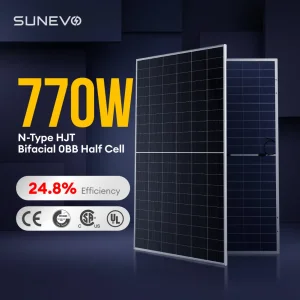
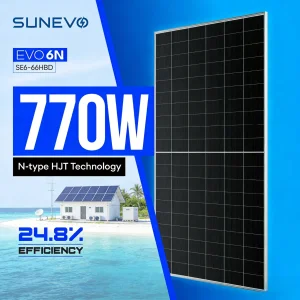
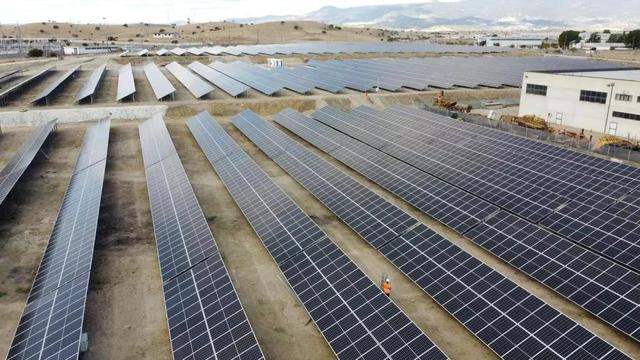
Promoted heavily by Italy’s National Recovery and Resilience Plan (PNRR), agrivoltaic systems co-exist with agriculture. Our Double-Glass Bifacial modules (600W-770W) collect reflected light from the ground, maximizing energy generation without shading valuable crops.
Coastal areas in Liguria, Puglia, or Sardinia face high salt mist, while Northern Alps systems endure extreme snowloads. Our modules feature advanced POE encapsulation and anti-corrosive frames, passing rigorous IEC 61701 salt-mist and IEC 62716 ammonia resistance tests.
Ningbo GAF Solar Co., Ltd. is a professional Solar Panel Manufacturer | Monocrystalline, Bifacial & High Efficiency PV Modules dedicated to providing reliable solar energy solutions for residential, commercial, industrial, and utility-scale applications worldwide. With a strong commitment to renewable energy innovation, the company delivers advanced photovoltaic products designed to maximize energy generation, efficiency, and long-term performance.
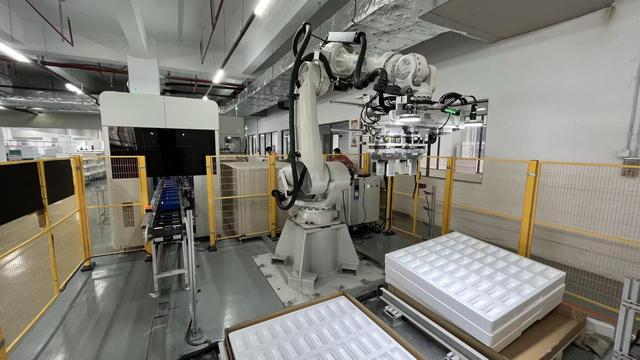
Based in Ningbo, China, GAF Solar operates modern manufacturing facilities equipped with advanced production technologies, automated assembly lines, and comprehensive quality control systems. The company specializes in the development and production of monocrystalline solar panels, bifacial solar modules, high-efficiency photovoltaic panels, rooftop solar solutions, commercial solar systems, industrial solar installations, and customized PV energy projects.
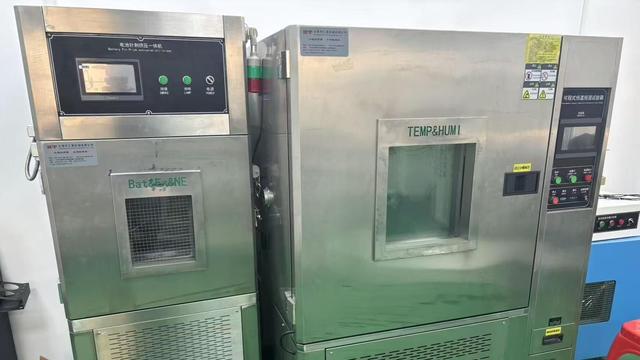
GAF Solar focuses on technological innovation and product reliability. By utilizing premium-grade solar cells, durable materials, and precision manufacturing processes, the company produces solar modules capable of delivering excellent power output, superior weather resistance, and long operational lifespans. Every product undergoes rigorous testing and quality inspections to ensure compliance with international standards and the demanding requirements of global energy markets.
In addition to manufacturing high-performance solar panels, GAF Solar offers comprehensive OEM and ODM services, supporting distributors, EPC contractors, solar developers, energy solution providers, and private-label brands. The company provides flexible customization options, professional technical support, and efficient project coordination from design and production to shipment and after-sales service.
Serving customers across North America, Europe, Southeast Asia, the Middle East, Africa, and Latin America, Ningbo GAF Solar Co., Ltd. has established a reputation for quality, reliability, and customer-focused service. Through continuous innovation and sustainable manufacturing practices, the company remains committed to accelerating the global transition toward clean, renewable energy and creating long-term value for partners around the world.
 GAF Solar