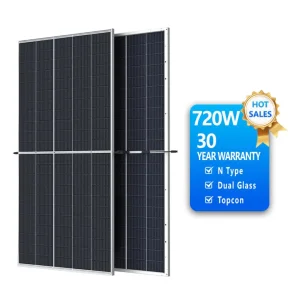
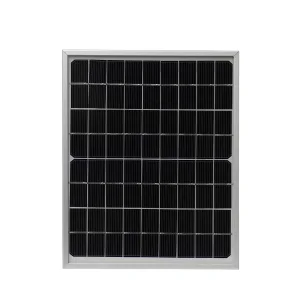
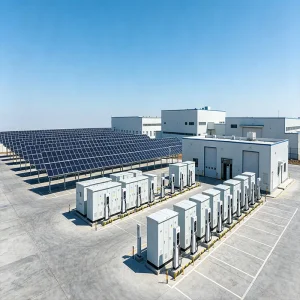
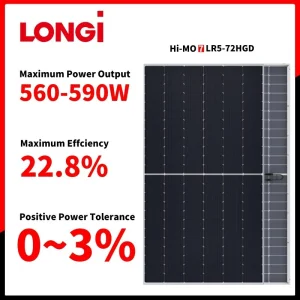
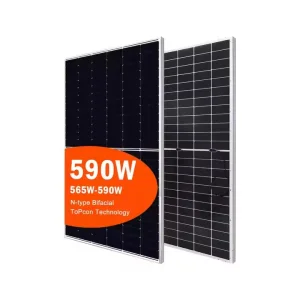
Engineered to deliver exceptional generation metrics across Peru's microclimates, from coastal Lima to high-altitude Cusco. Direct manufacturer supply with localized performance compliance.
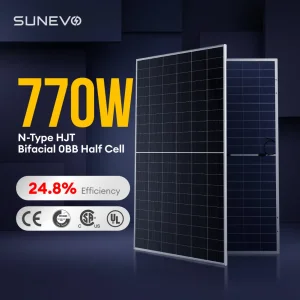
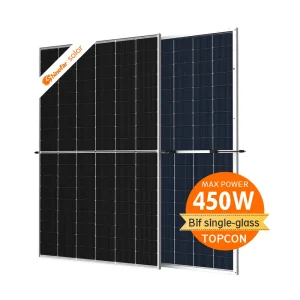
The solar market in Peru is undergoing a massive structural transformation. Driven by high retail electricity tariffs (notably in the northern and southern coastal systems controlled by major utilities), residential and light commercial users are rapidly pivoting toward distributed generation (Generación Distribuida). Peru's geographic positioning provides an extraordinary solar resource. The southern regions, including Arequipa, Moquegua, and Tacna, exhibit some of the highest solar irradiance levels globally, frequently exceeding 6.5 kWh/m²/day, while the central coastal regions (including Lima metro areas) maintain stable solar yields of 4.5 to 5.2 kWh/m²/day despite seasonal cloud cover.
From a regulatory standpoint, Peru's Legislative Decree N° 1002 (Promotion of Investment for Electricity Generation with Renewable Energy) and the ongoing developments within OSINERGMIN (the regulatory agency for energy and mining) have established technical baselines for net-metering and grid-tied installations. Although large-scale utility projects have historically dominated renewable energy auctions, the residential and commercial & industrial (C&I) sectors are experiencing localized growth. High energy consumers are utilizing solar systems to hedge against fluctuating fuel-adjusted tariffs, creating a robust demand for direct importing of high-efficiency Tier-1 equivalent photovoltaic modules from specialized factories in China, notably Ningbo.
Specifically matched for off-grid coastal cabins, Amazonian isolated grids, and high-altitude Andean rooftop installations where durability is paramount.
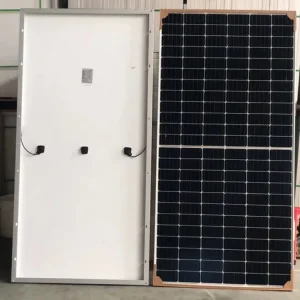
Peru's diverse geography presents unique environmental challenges to solar PV array longevity and efficiency. Designing or supplying systems for this market requires deep technical customization:
Along the Pan-American Highway corridor (Piura down to Tacna), solar modules must combat high relative humidity, fine coastal sand deposition, and airborne salt spray. Standard panels face severe Potential Induced Degradation (PID) and frame oxidation. Specifying dual-glass, anti-PID N-Type panels with heavy-duty anodized aluminum frames ensures long-term operational integrity.
Installations in cities like Arequipa (2,325m), Cusco (3,400m), and Puno (3,825m) operate under extreme UV indexes and high thermal cycling. Under these conditions, standard EVA encapsulants degrade rapidly, yellowing within years and causing severe transmittance loss. Modules utilizing POE (Polyolefin Elastomer) encapsulation and N-type cells with superior temperature coefficients (-0.30%/°C) are crucial for high-altitude systems.
In regions such as Loreto, San Martín, and Ucayali, off-grid micro-grids face ambient temperatures exceeding 35°C combined with relative humidity above 85%. Solar panels must have IP68 sealed junction boxes, bypass diodes that operate under low-stress conditions, and high-durability backing sheets to prevent delamination and internal module moisture ingress.
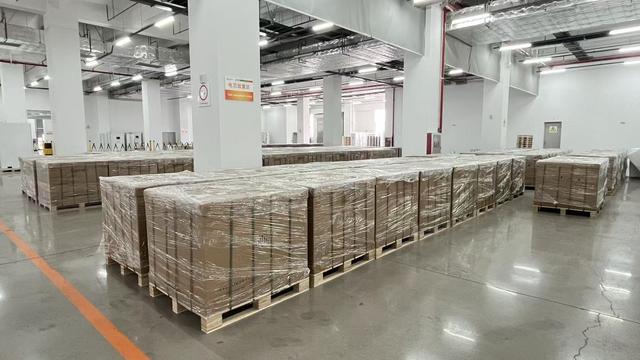
Ningbo GAF Solar Co., Ltd. stands as a professional, globally recognized Solar Panel Manufacturer. Our specialized factories in Ningbo, China, feature advanced production technologies, automated assembly lines, and rigorous quality control protocols. By managing the supply chain from raw silicon ingot selection to final module flash testing, we ensure that every panel exported to Peru meets global standards (IEC 61215, IEC 61730, TUV, CE).
For Peruvian importers, EPC contractors, and solar distributors, partnering directly with GAF Solar eliminates intermediary markups and offers significant logistics optimization. Sourcing from our Ningbo factory allows direct maritime shipment from the Port of Ningbo-Zhoushan to the Port of Callao (Lima) or Port of Matarani (Southern Peru), with typical transit times of 28 to 35 days. Under the China-Peru Free Trade Agreement (TLC China-Perú), certified solar PV products qualify for preferential tariff treatments, maximizing margin structures for local distributors.
Optimize your procurement channel. Request customized specification sheets, regional case study data, and tier-1 volume pricing for the Peruvian residential and commercial market.
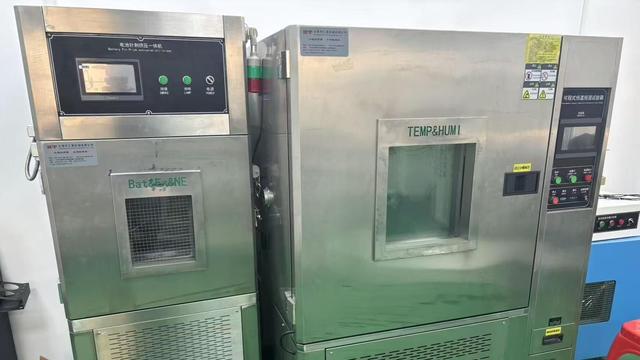
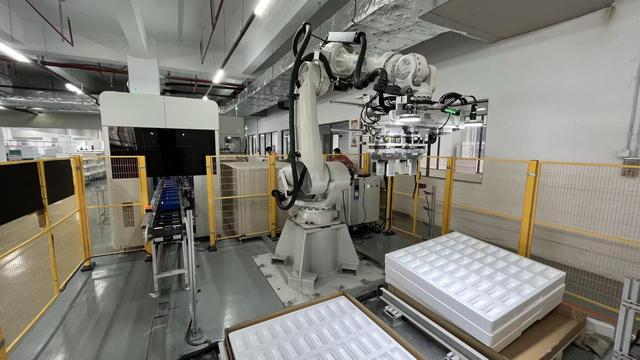
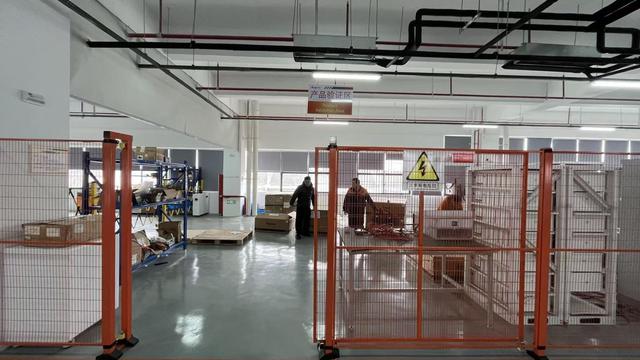
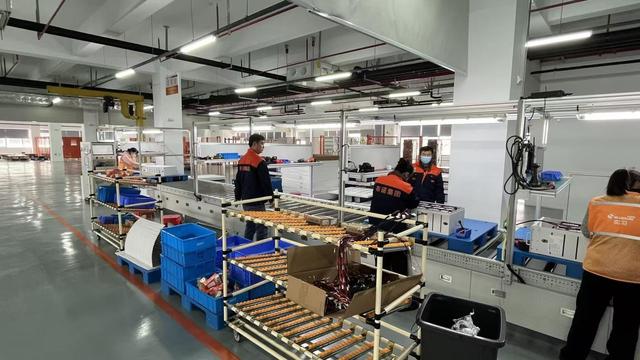
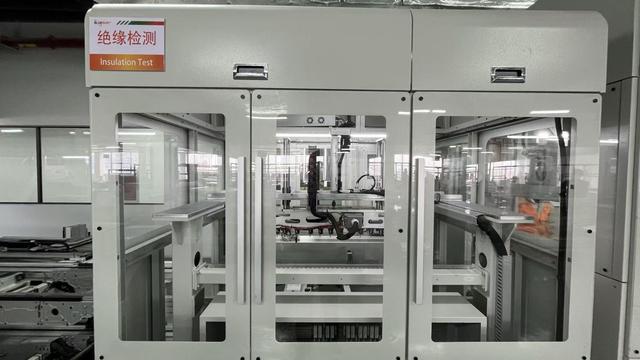
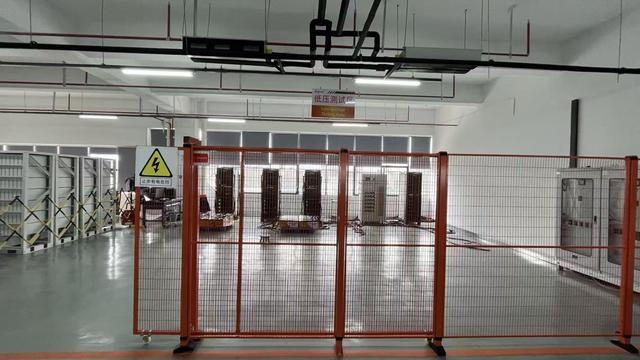
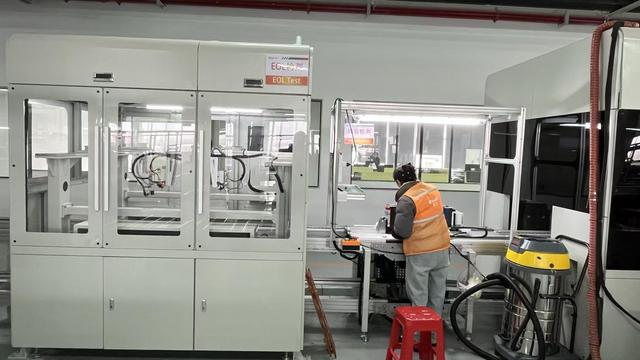
Send Inquiry NowOur automated production facilities utilize state-of-the-art EL (Electroluminescence) testing, high-accuracy flash simulators, and mechanical load testers to ensure field reliability exceeding 25 years.
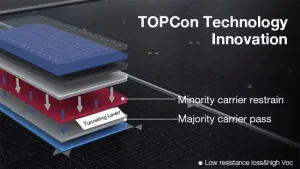
When engineering residential solar systems in Peru, selecting the cell technology and power rating directly affects ROI. The transition from P-type PERC to N-type TOPCon (Tunnel Oxide Passivated Contact) has drastically altered financial performance modeling:
Securing project financing from Peruvian banks (such as BCP, BBVA Continental, or Interbank, which offer dedicated green financing loans) requires tier-1 quality documentation. GAF Solar supports local EPC contractors by providing complete technical documentation packages, including factory flash data files, PAN files for PVSyst modeling, and certified test reports. We work closely with local engineering partners to ensure compliance with the technical norms of local distribution companies (Luz del Sur, Enel, SEAL, Electro Oriente), streamlining grid connection approvals.
Direct, data-driven answers targeting the technical and regulatory questions of engineers, purchasing managers, and developers in Peru.
Under the China-Peru Free Trade Agreement (TLC China-Perú), solar panels (HS Code 8541.43.00.00 / 8541.40.10.00) are eligible for 0% ad-valorem import duties (arancel), provided a valid Certificate of Origin (Formulario TLC) is issued by our factory in Ningbo and presented to SUNAT during customs clearance. Importers are only subject to the standard IGV (16%) and IPM (2%), which can typically be recovered as a tax credit.
High altitudes in regions like Cusco and Puno expose solar modules to severe ultraviolet (UV-A and UV-B) radiation. Standard EVA (Ethylene Vinyl Acetate) encapsulants degrade under high UV exposure, causing discoloration (yellowing) and reducing light transmittance. To prevent this, GAF Solar offers modules encapsulated with POE (Polyolefin Elastomer), which features superior chemical structure stability, offering outstanding resistance to UV degradation and microcracking.
Coastal areas present a combination of salt spray (corrosive moisture) and dust accumulation (soiling). Standard panels can suffer from frame corrosion and Potential Induced Degradation (PID) due to leakage currents through the salt layer. GAF Solar panels feature heavy-duty anodized aluminum frames (Class C corrosion resistance) and are certified under IEC 61701 (Salt Mist Corrosion Testing) to ensure performance in coastal and marine environments.
Yes. Our modules meet the strict technical standards required by OSINERGMIN and major distribution utilities like Luz del Sur and Enel Distribución. We supply the necessary certificates (IEC 61215/61730, flash test reports, and datasheet compliance documents) required by local electrical engineers to secure grid interconnection under the distributed generation framework.
Shipments leave the Port of Ningbo-Zhoushan, one of the world's most efficient shipping hubs. The primary port of entry in Peru is the Port of Callao (Lima), with a typical maritime transit time of 28 to 35 days. For projects in southern Peru (Arequipa, Tacna, Moquegua), shipments can be routed to the Port of Matarani.
Yes. We offer comprehensive OEM and ODM services, enabling Peruvian distributors and large EPC contractors to market modules under their own private-label brands. We provide customized labels, junction box configurations, frame colors (such as all-black aesthetics), packaging designs, and complete technical certification support under your brand name.
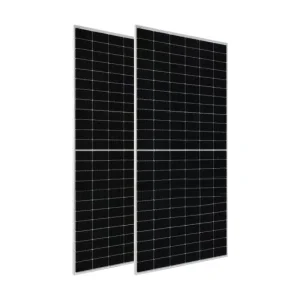
Discover our full range of monocrystalline, bifacial, and thermodynamic systems engineered to deliver outstanding yields under challenging solar conditions.
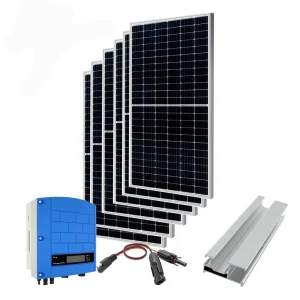
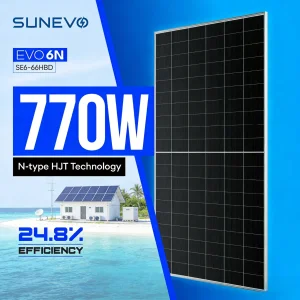
Partner with a leading factory committed to delivering advanced solar technology. Whether you need volume supply for grid-connected projects, marine applications, or remote mountain systems, our engineering team can customize the perfect bill of materials for your Peruvian business.
Send Inquiry Now GAF Solar